
Last updated November 22, 2026
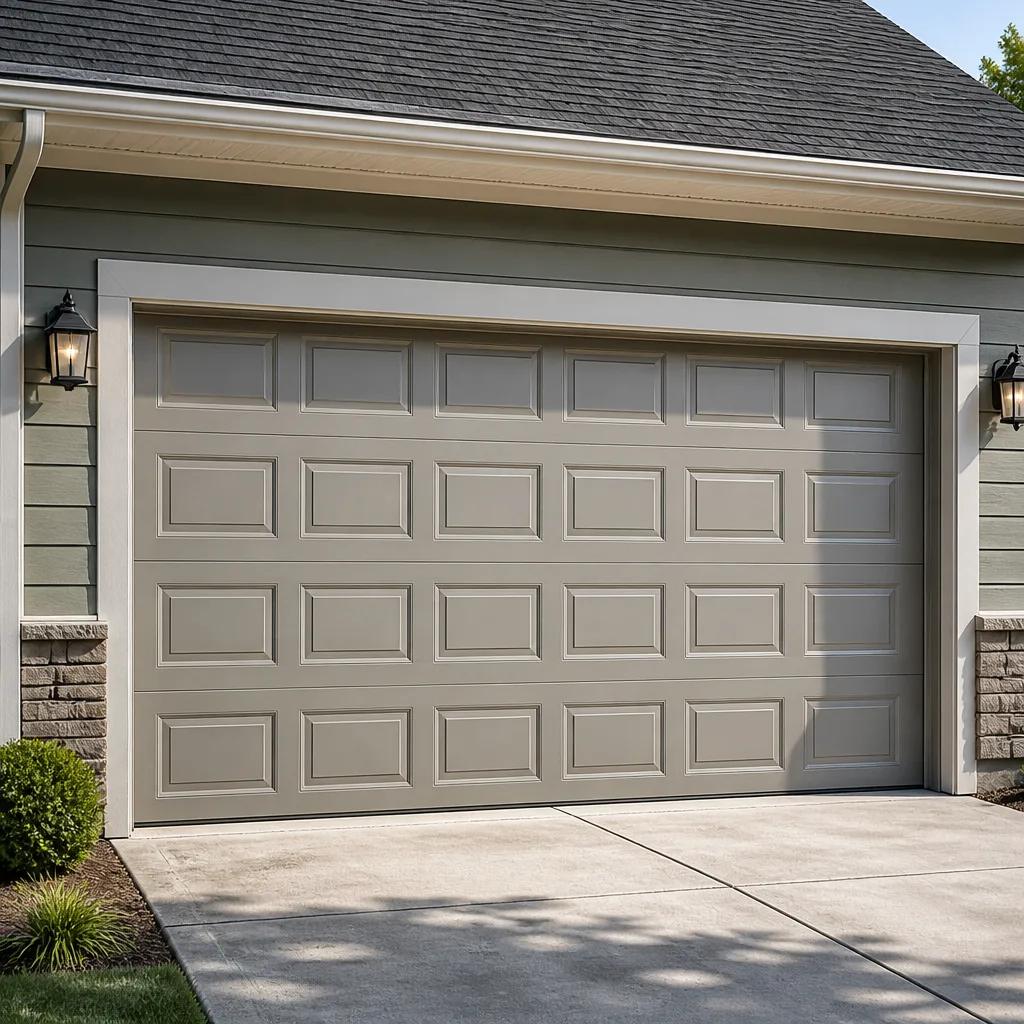 Raised-panel steel
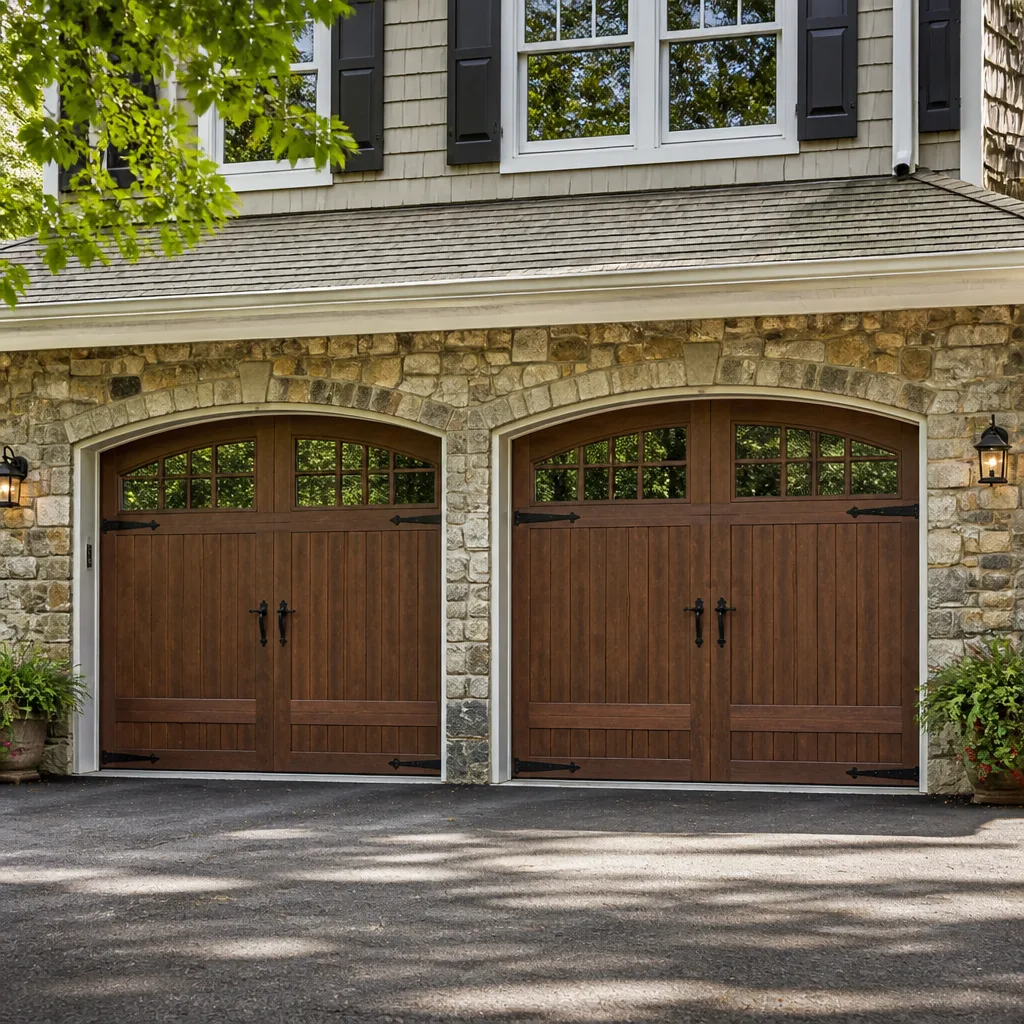 Carriage house
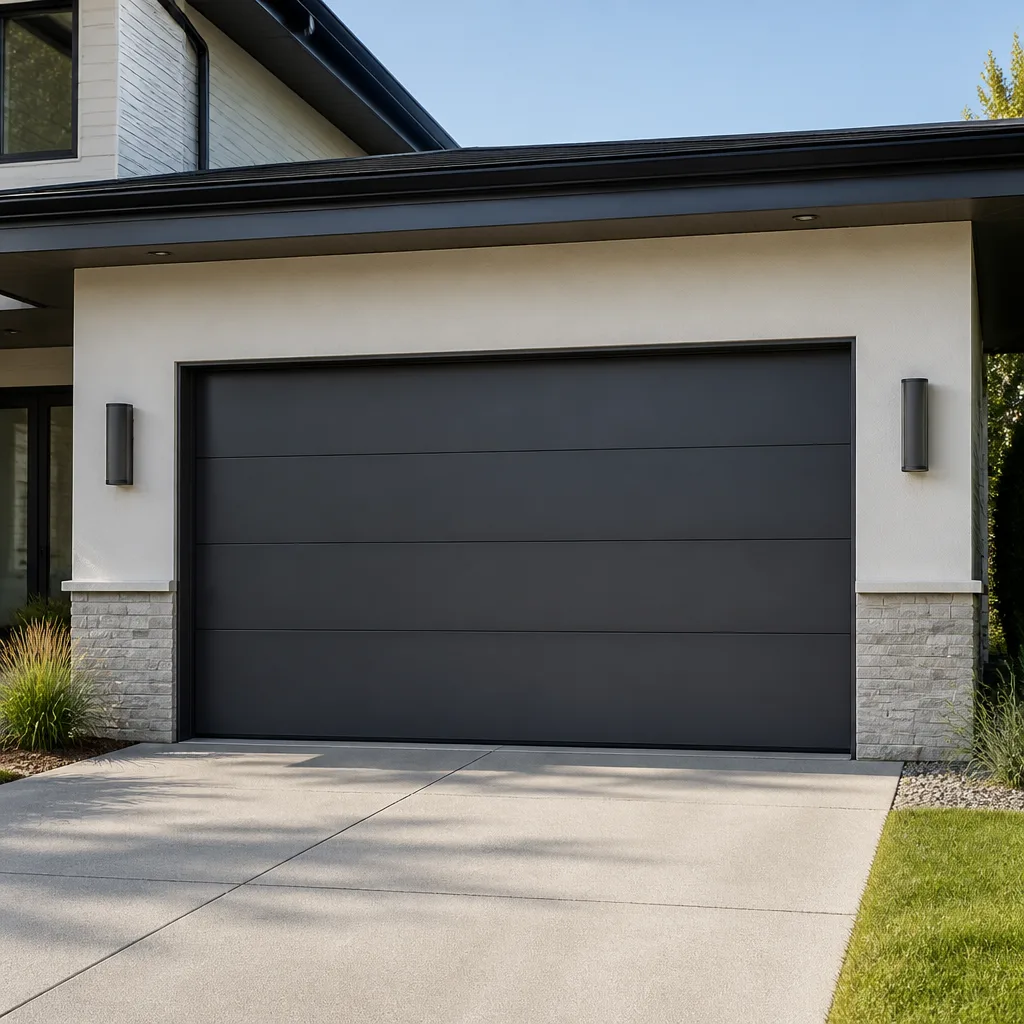 Modern flush
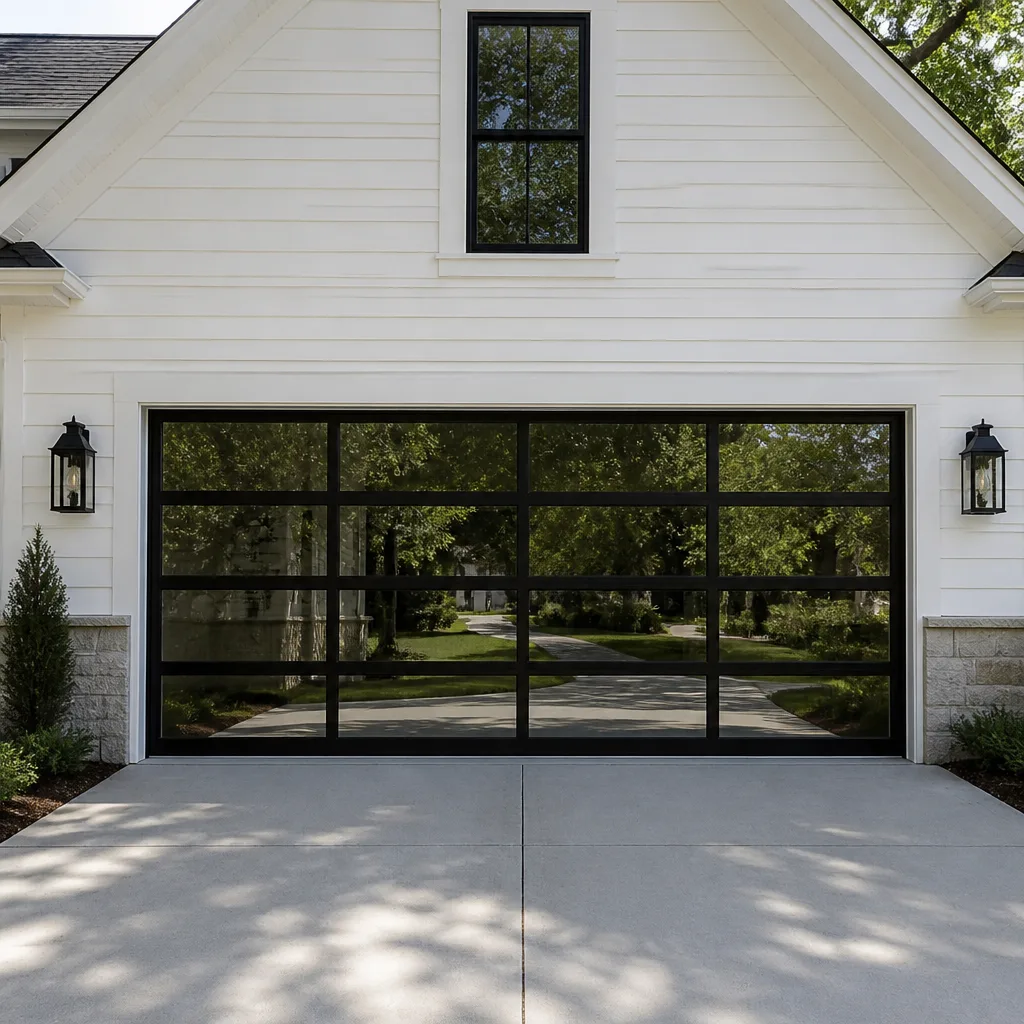 Full-view glass
 LiftMaster openers
 Chamberlain openers
Full 25-point door and opener safety check with every visit - springs, cables, rollers, tracks, and your LiftMaster or Chamberlain opener included
You get a price before we start. It does not change when the pro arrives.
Get your free estimateGarage Door Permits, Codes & Inspections in Highland Park, IL: What You Need to Know
Most people assume the door has to come out before the paperwork gets involved. In Highland Park, that’s backwards. Whether your garage door project needs a permit has almost nothing to do with the door itself and everything to do with what happens behind it – the header, the framing, the wiring. A straight swap of a like-for-like door usually needs no permit at all. Widen the opening or move a circuit, and you’ve crossed into permitted work. The confusion is real, and the cost of getting it wrong lands at resale, not at the curb. This guide covers how Highland Park draws the line, how the Historic Preservation rules layer on top of it, what inspectors actually look at, and what we see in our own daily work.
Quick Answer
In Highland Park, IL, a garage door replacement that matches the existing opening and uses the same electrical setup generally does not require a building permit. Structural changes – widening or raising the opening, replacing or resizing a header, adding a new circuit for an opener, or altering the foundation – do require a permit through the City’s Building & Zoning Department. If your property sits inside one of Highland Park’s Historic Preservation overlay zones and the change is visible from the street, expect a second layer of review covering door style and color.
Styles & brands we work with
- Raised-panel steel
- Carriage house
- Modern flush
- Full-view glass
- LiftMaster openers
- Chamberlain openers
Table of Contents
- Like-for-Like Replacement vs. Structural Modification: Highland Park’s Actual Criteria
- What Highland Park’s Historic Preservation Overlay Adds to Your Project
- What Garage Door Inspections Actually Check – and How to Not Get Caught Off Guard
- The Permit Process and Typical Timeline Through Highland Park’s Building & Zoning Department
- How Unpermitted Garage Work Surfaces on Title Searches and What Illinois Disclosure Law Requires
- How Highland Park’s Climate and Housing Stock Shape Garage Door Code Considerations
- High-Tension Work: Where Permits End and Safety Codes Begin
- Working With a Garage Door Specialist on a Permitted Project
Like-for-Like Replacement vs. Structural Modification: Highland Park’s Actual Criteria
The dividing line in Highland Park runs between cosmetic replacement and anything that touches the structure or the electrical system. Replacing a worn door with a new one of the same size in the same opening, using the same tracks and the existing opener circuit, is a swap. It falls outside permit requirements. The key word is “same” – same rough opening, same header position, same spring type, same track geometry, same wiring.
Cross one of these lines and you’re in a permitted project:
- Opening size changes. Widening from a single-car to a double-car door, raising the header for a taller door, or dropping the track for a lower profile all mean the header has to be resized, which is structural framing that requires a permit.
- Header work. Replacing a rotted or undersized header, adding a new beam, or moving the load path requires a permit and often engineer-stamped drawings.
- Electrical changes. Running a new circuit for a garage door opener, adding an outlet where none existed, or installing a new subpanel is electrical work that needs a permit. Swapping an opener into an existing outlet is not.
- Foundation or masonry. Bumping out the garage footprint or cutting into the slab is permitted work.
- Insulation and interior finish. Adding fire-rated wall finish between a garage and living space, or changing the garage’s relationship to the house, is a permit-level change.
The pattern to remember: the door itself is rarely the trigger. The framing and wiring around it are. That’s where almost every misclassification happens, and in Highland Park we’ve seen it go wrong in both directions – homeowners who pulled permits for a straight swap they didn’t need, and homeowners who widened an opening on a handshake without thinking about what comes back to them at resale.
If you’re unsure which side of the line you’re on, the cheapest and fastest step is a call to Highland Park’s Building & Zoning Department. Ask clearly: “I’m replacing my garage door. The opening size and wiring are unchanged. Do I need a permit?” If you’re not in one of the historic overlay zones, that answer will usually settle it. If you are, see the next section.
What Highland Park’s Historic Preservation Overlay Adds to Your Project
Some Highland Park houses sit inside Historic Preservation overlay zones. The overlay is what most homeowners miss, because nothing about buying a door hints that a second approval process exists. Inside an overlay, changes to visible exterior features – including garage door style, glazing pattern, color, and hardware – can require review before installation.
This matters for two reasons. First, the review usually focuses on pattern and appearance, not materials science. A raised-panel steel door in a hue that matches the body of the house, with a window layout that echoes neighboring doors, tends to move through review faster than an inset-panel design in a contrasting color. Second, the process can add days to weeks to your timeline. If you’ve already ordered a door in a color that review rejects, you’re either repainting or reordering, and neither is cheap.
We can’t tell you whether your address sits inside an overlay – that’s a call to the City’s planning department, and they’ll answer it in a minute if you give them your parcel address. What we can tell you is what the review usually wants to see:
- Door style that matches the home’s architectural era. A raised-panel door for a traditional Highland Park home, a flush door only when the home or an existing precedent supports it.
- Color drawn from the house palette. Garage doors read as a large visible field from the street. Trailored or historically muted colors clear review more easily than high-contrast ones.
- Window layout consistent with the front elevation. Adding windows where the original door had none is more likely to get a comment than matching an existing pattern.
- Hardware and detail in the same family as the front door. It’s the small things a reviewer notices.
If the change is not visible from the street – a rear-loading garage with a pass-through door, for instance – the overlay review is often not applicable. But “often” isn’t “always.” Confirm with the City before you order.
What Garage Door Inspections Actually Check – and How to Not Get Caught Off Guard
A garage door inspection is not one thing. There’s the City inspection tied to a permitted project, and there’s the informal safety inspection that a specialist performs on the system itself. They overlap on a handful of items and diverge on the rest. Knowing what each one covers is what keeps a permitted project from stalling and a homeowner from overpaying for repairs that a sensor adjustment would have solved.
During a City inspection of a permitted garage door project, the inspector is looking at:
- The load path. Is the load from the header transferring correctly into the surrounding framing? Oversized or undersized headers get flagged, and so does framing that doesn’t tie in properly at the jambs.
- Header sizing and material. The header needs to be sized to the opening and to the building’s loads. If a permit required an engineer’s drawing, the header has to match it.
- Fastening and attachment. How the track is attached to the wall and ceiling, whether fasteners are correct for the substrate, and whether the torsion bar is properly anchored.
- Opener electrical. If new wiring was part of the scope, the inspector verifies conduit, box placement, and grounding. Any new circuit for a LiftMaster or Chamberlain opener gets looked at closely.
- Fire separation. If the garage wall separates the house from the garage, the required finish between the two is part of the inspection.
What the inspector usually does not do is cycle the door for spring balance, check the safety sensors for obstruction behavior, or test the auto-reverse on contact. Those are system-level checks a garage door specialist makes. Reviewers look at the building shell; we look at the machinery.
That’s why we tell Highland Park homeowners to get a door and opener safety check before final inspection if they can. A roller out of its track, a misaligned sensor, or a torsion spring that hasn’t been cycled since installation will not fail the City’s inspection, but it will fail on a Tuesday morning when a car is parked under it. Inspection day is a good forcing function for checking both.
The Permit Process and Typical Timeline Through Highland Park’s Building & Zoning Department
The permit process itself is straightforward once you know the steps. It’s the sequencing that trips people up – ordering the door before pulling the permit, or assuming the permit moves at the same speed as the installation.
- Determine permit applicability. Confirm whether the scope is a like-for-like swap (usually no permit) or a structural or electrical change (permit required). This is a phone call to Highland Park’s Building & Zoning Department, not a guess.
- Check for historic overlay status. If the address sits inside an overlay and the change is visible from the street, add a planning-level review to the timeline before the building permit is even considered.
- Assemble the application. Most Highland Park garage door permits require a short description of scope, a site plan showing the garage location, and – for structural work – drawings showing the header and framing. Electrical permits typically require a description of the circuit and the equipment.
- Submit and pay the permit fee. Fees scale with the scope and the valuation of the job. They are usually a modest line item relative to the total project.
- Wait for review. Simple substitutions and electrical permits often move quickly; structural changes with engineer drawings take longer. Historic overlay reviews add their own window.
- Schedule the inspection. Once the work is done, request the inspection through the City. The inspector either signs off or writes a punch list; you close out when the punch list is cleared.
- Keep the certificate. The final inspection record is what makes the project “permitted and inspected” at resale. Filed away in a drawer, not on a phone that gets traded in.
Typical timelines for a garage door permit in Highland Park depend heavily on the scope. A simpler electrical permit for an opener circuit usually resolves in a shorter window than a structural permit with drawings. Historic overlay review is the biggest variable. If your project falls into the structural or overlay category, plan the schedule around the review, not around your installation date.
If you need to be sure which category you’re in before you commit, call us at (866) 729-7583. We answer 24/7, and we can tell you what scope Highland Park typically permits versus what moves without paperwork. Free estimates, and we’ll lay out what a permitted project looks like on our end. That detail makes the conversation with the City much shorter.
How Unpermitted Garage Work Surfaces on Title Searches and What Illinois Disclosure Law Requires
Unpermitted garage work doesn’t stay small. It waits. Then it turns up on a title search during a sale, and the seller – who may have bought the house with the work already in place – is the one holding the bag. Any buyer’s attorney who sees a widened opening with no corresponding permit will ask for the paperwork. If it isn’t there, the negotiation starts from a very different place than it did the day the offer was written.
Illinois real estate law requires sellers to disclose known material defects and known unpermitted work on the residential property disclosure form. “Known” is doing a lot of work in that sentence. A seller who genuinely didn’t know about a decades-old modification has a defense. A seller who ordered the widened opening themselves and skipped the permit does not. That distinction matters.
What a buyer’s title search can reveal:
- Recorded permits and final inspections. If they exist, they’ll show. If they don’t, the absence is noticeable when the physical work clearly happened.
- Open permits that were never closed. A permit pulled and never inspected stays open, and it can affect a sale until it’s resolved.
- Certificate of occupancy discrepancies. Changes to a garage’s use or footprint can trigger a conversation about occupancy certs.
In our experience, the resolution path is almost always the same: either the buyer accepts the work with a price adjustment, or the seller pays to permit and inspect the work retroactively, or the seller pays to reverse it. The middle option is usually the cheapest, and it’s available. Highland Park’s Building & Zoning Department can guide retroactive permitting, but expect drawings, an inspection, and a real conversation about what was changed.
The good news is that pulling the permit at the beginning costs a fraction of what resolving it at the end costs – in money, in time, and in leverage at the negotiating table. If you’re planning a garage door project in Highland Park and structural or electrical work is involved, permit first. Always.
How Highland Park’s Climate and Housing Stock Shape Garage Door Code Considerations
Highland Park sits on the North Shore, and the winters here do more than make the mornings interesting. The freeze-thaw cycle, lake-effect moisture, and months of temperature swings load the garage door system in ways southern installations don’t experience. That’s a design and maintenance reality, not a permit category, but it’s the reason why “same door, same setup” is often the right call for a Highland Park replacement – matching the original engineering that has already survived twenty or thirty winters.
Practically, that climate reality shows up in a few places:
- Header condition. Wooden headers in older Highland Park garages can carry moisture from repeated snowmelt dripping off cars in a cold garage. When a header is soft or shows rot, the door replacement is no longer cosmetic – the header work becomes a permitted structural scope. This is the single most common reason a “simple swap” turns into a permitted project here.
- Spring sizing. Cycle life matters more in cold weather. Spring systems are matched to door weight and cycle count, and a mismatched replacement in a cold climate wears faster and fails sooner. It’s a maintenance decision, not a code decision, but inspectors do note obvious mismatches when they see them.
- Opener performance. Opener systems like LiftMaster and Chamberlain handle cold well when installed correctly, but the electrical supply and the outlet box need to be sound. A flickering connection in July is a dead door in January.
- Insulation and weatherstripping. Adding an insulated door to an un-insulated opening is often a great move in Highland Park’s climate. It’s still a like-for-like replacement if the opening size and electrical setup don’t change.
The Highland Park housing stock ranges from early-1900s homes with small single-car garages to newer construction with three-car configurations. What each of them has in common is that the garage is a load-bearing and moisture-exposed part of the house. Codes and permits exist to make sure work in that space respects both.
High-Tension Work: Where Permits End and Safety Codes Begin
Permits and inspections govern the built environment. They do not govern the work of replacing a torsion spring, and that’s the part of the trade most likely to hurt someone. A torsion spring is stored energy under extreme tension. It is not a component a homeowner should ever attempt to replace, adjust, or cut. The same is true of the cables, drums, and bottom brackets on any garage door system.
What we look at when we inspect a Highland Park garage door system:
- Spring condition and cycle life. Springs have a rated cycle count. They are wear items, not permanent parts, and a spring past its cycle life is at elevated risk of failing – which usually happens with the door in the up position, sending the door down.
- Bracket and drum security. Loose brackets and miswound drums carry tension that the system was never designed to hold at that angle.
- Cable condition. Frayed cables, or cables that have slipped the drum, are a failure waiting to happen.
- Rollers and hinges. Worn rollers make the door work harder and the spring work harder. Silent repairs, but they add up.
- Auto-reverse and sensor function. A second layer of protection beyond the spring, and one worth testing regularly. It’s also worth noting that any door controlled by an opener made after 1993 must include a working auto-reverse function – a requirement on the equipment itself, independent of any garage door permit.
Where the equipment itself carries a code requirement – auto-reverse and photo-eye safety systems, for instance – those apply whether or not your project required a permit. If you’ve just replaced a door but are running the original Craftsman or Genie opener from decades ago, the safety equipment on that opener may not meet current standards. That’s a specialist conversation, and it’s a much smaller bill than a door falling on a car.
Call us for garage door spring repair if you notice a broken spring, a door that slams down, or a cable that has gone slack. Do not attempt to inspect a broken spring yourself. The other side of this – a door that runs but sounds wrong – is best handled through a routine garage door repair appointment that catches the small stuff before it becomes a failed spring.
Working With a Garage Door Specialist on a Permitted Project
Most garage door companies don’t work with permits. It’s a paperwork problem, and it slows down the sale of a door. We treat it differently because in Highland Park, the permit conversation is often the difference between a project that holds at resale and one that doesn’t. That’s why we walk our customers through it upfront – what scope permits, what doesn’t, what the historic overlay review will want to see, and what the inspector will look for when the door is up.
The work itself is our focus. We’re a single-trade specialist – no general contracting, no side projects. That means when you call about a permit question on a Wayne Dalton door or a LiftMaster opener circuit, the person who answers is having a garage door conversation, not a home-improvement one. Our technicians have up to 13 years of experience, and they work on the brands you already own: LiftMaster, Chamberlain, Genie, Clopay, Amarr, Wayne Dalton, Craftsman, and Raynor. We don’t upsell you into a different system just because we have it in the truck – because we don’t have a truck stocked with parts to upsell. The right fix, not the most expensive one.
From opener diagnostics to full door installation, the work is scheduled and quoted. Free estimate, written price, agreed before anything starts. If a project is going to need a permit, we say so at the estimate stage, not after the door is ordered. On emergency calls – spring failure, door off track, an opener that won’t respond – we move fast. We answer 24/7. Fast dispatch from 7am to 7pm, Sunday through Friday. Call (866) 729-7583.
If you’re coordinating a project that involves both permitted structural work and a new door, see what a full-scope garage door opener repair conversation covers – we can align the electrical side with the door installation so nobody’s pulling the same permit twice. These two pieces of a garage door project often get split between contractors, which is where permit gaps appear. Keep them in one place and the paperwork stays clean.
Common Mistakes to Avoid
- Assuming the door itself decides the permit question. It doesn’t. The opening size, the header condition, and the electrical setup do. Check those before you assume a swap is cosmetic.
- Ordering the door before confirming heritage overlay status. A door ordered in a color that the Historic Preservation review rejects becomes a reorder or a repaint. Confirm the parcel is outside the overlay, or get review approval first.
- Widening the opening on a verbal okay. A widened opening is a structural modification. A verbal okay from a handyman is not a permit, and the absence of a permit is what shows up on a title search years later.
- Pulling a permit and never closing it out. An open permit follows the property, not the contractor. Get the final inspection, keep the certificate, and put it with the house records.
- Assuming the old opener is fine because the new door is. A new door on a decades-old Genie or Craftsman opener may be running with safety equipment that doesn’t meet current requirements. The door and the opener are separate systems and should be evaluated together.
- Skipping the header check on an older Highland Park home. Cold-climate moisture and decades of snowmelt dripping off a car can soften a wooden header. A soft header turns a cosmetic replacement into a permitted structural project – and the inspection is much less pleasant when you find out mid-install.
- Treating the permit conversation as a nuisance. In Highland Park, the permit conversation is often the shortest path to a clean sale later. There’s no shortcut that’s actually shorter.
See the difference
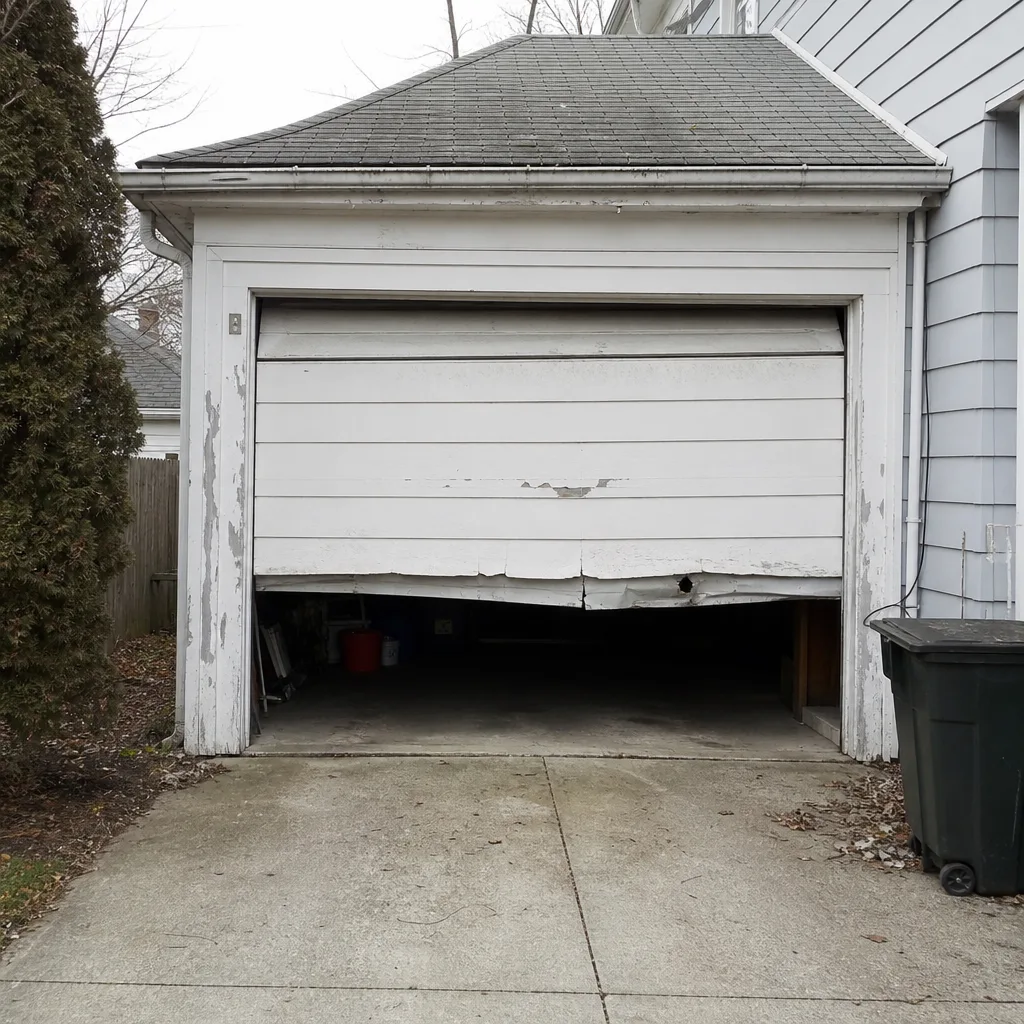 Before
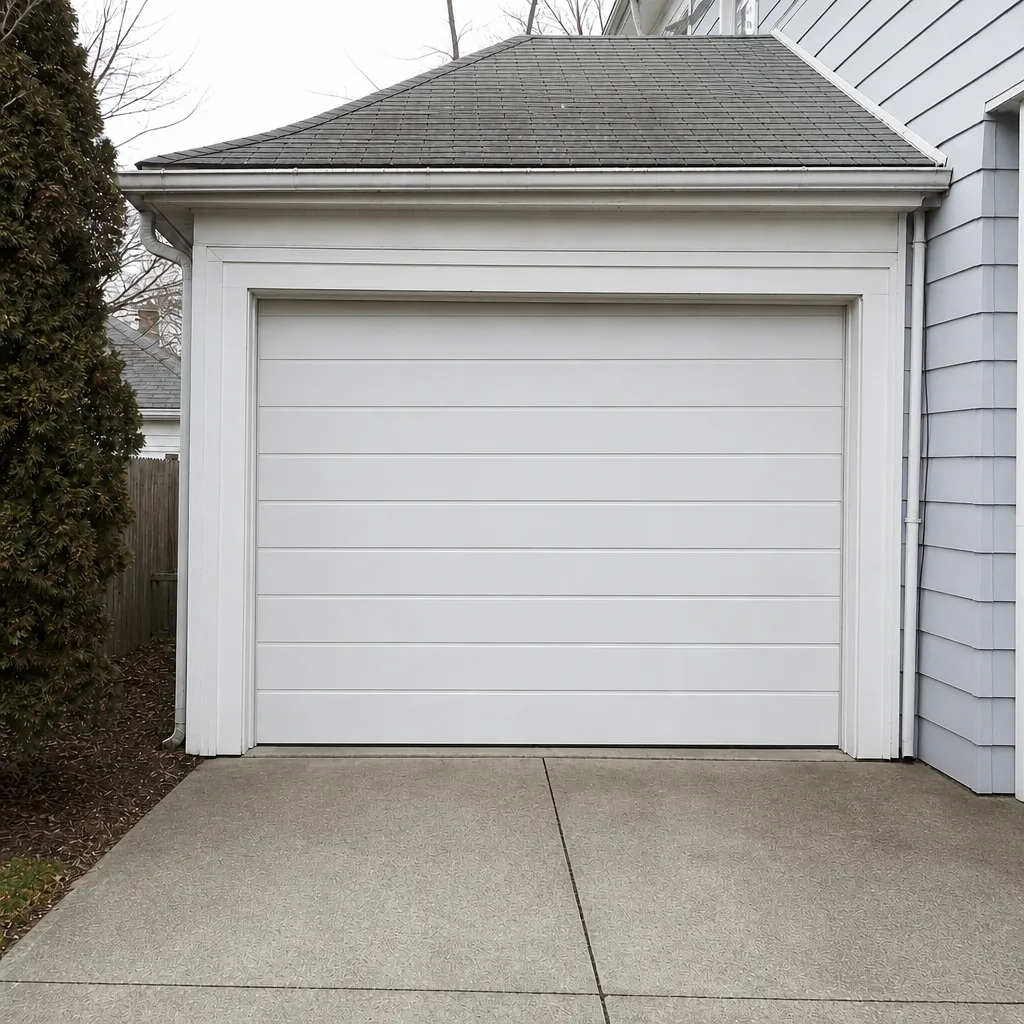 After
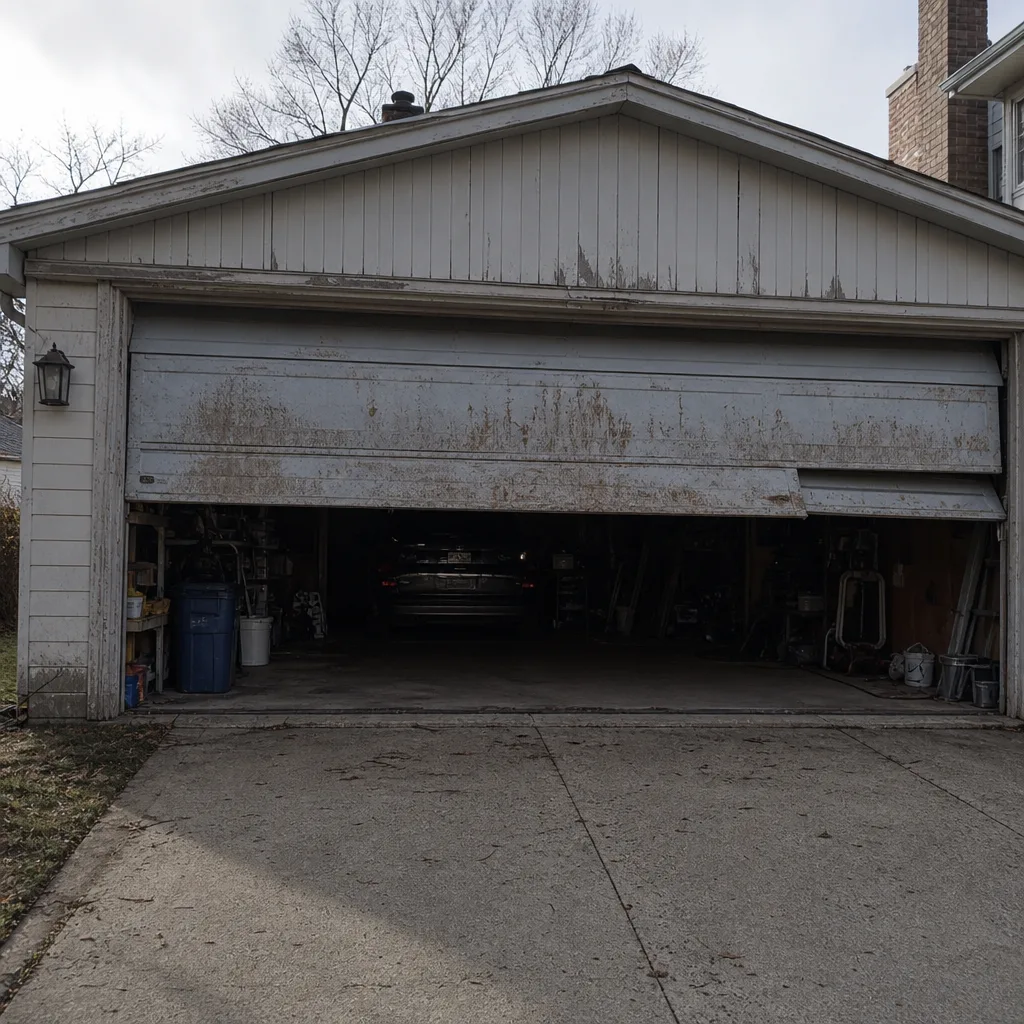 Before
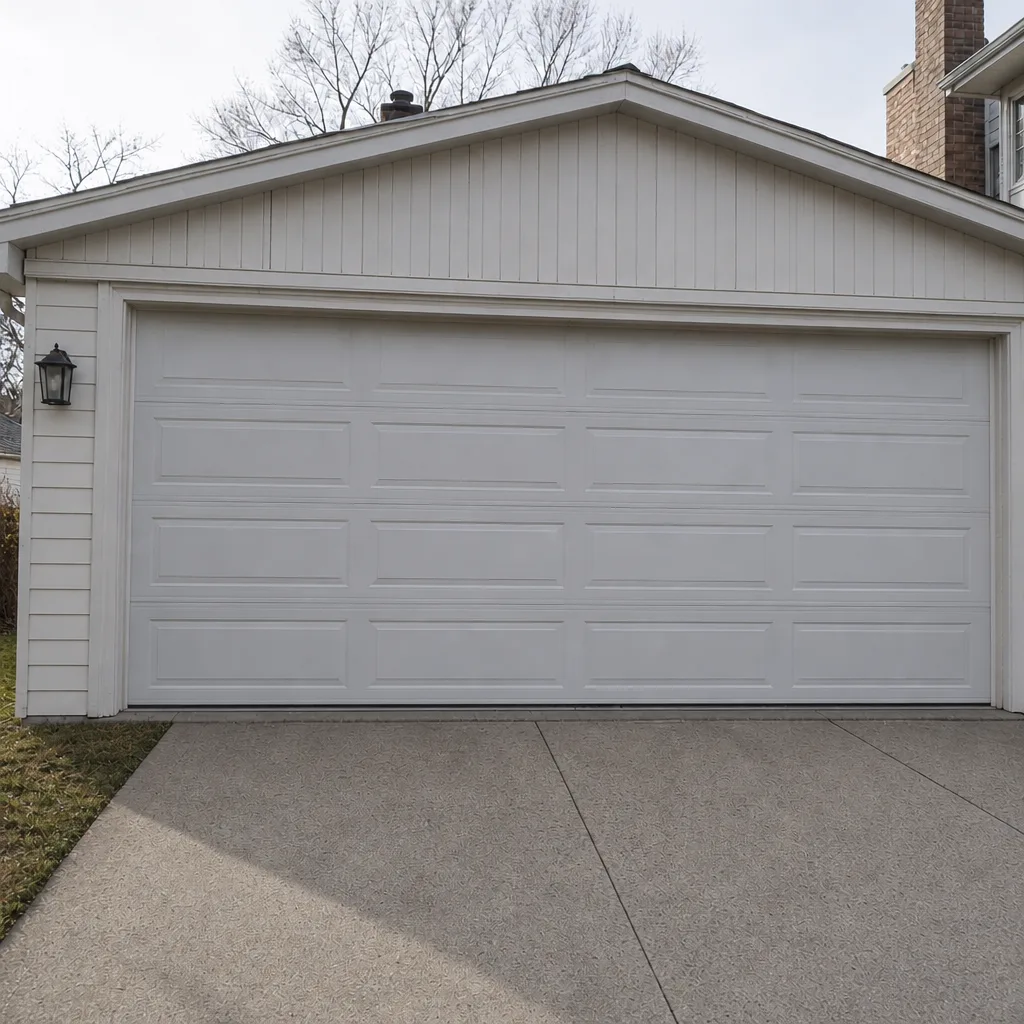 After
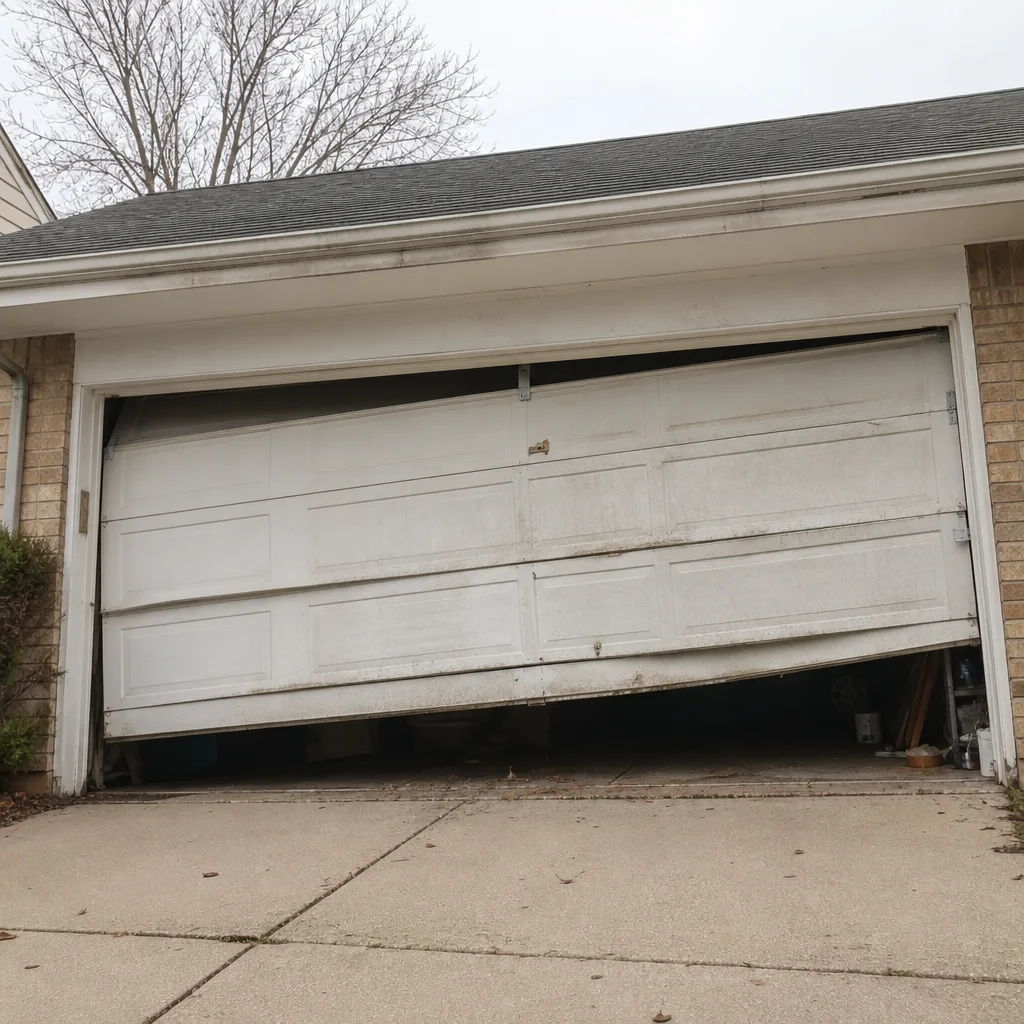 Before
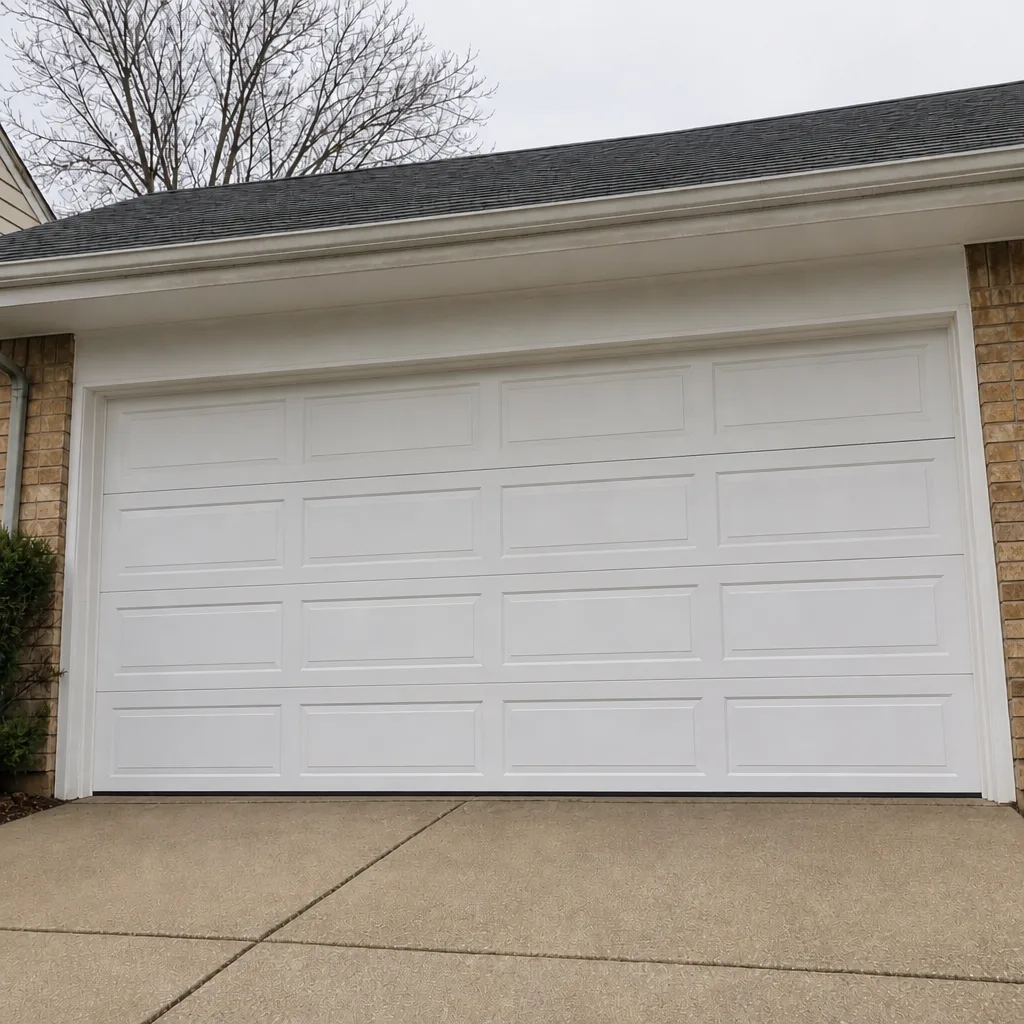 After
When to Call a Professional
Call a garage door professional when the work touches high-tension springs or cables, when the door is off its track, when the opener doesn’t respond to the remote, or when you’re not sure whether the scope of your project is a replacement or a modification. The last one is the most common reason Highland Park homeowners call us – a project that started as “just a new door” and turned into a header question. Get a Garage Door Repair Highland Park Pros professional on the line before the demo starts, not after. We offer free estimates in Highland Park, and we’ll tell you honestly which category your scope falls into. Call (866) 729-7583.
Frequently Asked Questions
Usually no, as long as the replacement matches the existing opening size and uses the existing electrical setup. If the project widens or raises the opening, replaces the header, or runs new electrical for an opener, a permit through Highland Park’s Building & Zoning Department is generally required. Confirm your specific scope with the City before ordering; it’s a one-minute phone call. If you’d like a specialist’s read on what your project involves, call (866) 729-7583 – estimates are free.
Not always. Inside one of Highland Park’s Historic Preservation overlay zones, visible exterior changes to door style, color, glazing pattern, or hardware can require planning-level review before installation. The overlay applies to what the street can see, so rear-loading or interior-facing doors are more often outside the review. Ask the City whether your parcel is inside an overlay and whether your proposed door is subject to review. Call (866) 729-7583 for help putting the scope together.
It can. A title search shows recorded permits and final inspections, and the absence of that paperwork is visible when the physical work was clearly done. Illinois real estate disclosure rules also require sellers to disclose known unpermitted work. The cleanest fix is to permit and inspect the work retroactively rather than negotiate it during a sale. Call (866) 729-7583 if you’re dealing with a previous owner’s work and want to scope a fix.
No. Swapping an opener into an existing outlet with the existing circuit is typically not permitted work. Running a new circuit to a location where there was no electrical service is. The distinction is about the wiring, not the opener. If you’re replacing an older LiftMaster, Chamberlain, or Genie unit with a new one on the same circuit, expect no permit. If you’re adding an opener to a garage that never had one, expect a permit. Call (866) 729-7583 for an estimate either way.
A City inspection tied to a permit checks the load path, header sizing, fastening, electrical, and fire separation. A specialist service check covers the spring system, cables, rollers, hinges, and opener safety functions. Both matter, and they’re not the same inspection. If you’re getting a permitted project done, ask for both before the final close-out. Call (866) 729-7583 to schedule the system side.
It depends on scope. Simple electrical permits for an opener circuit tend to move quickly. Structural permits with drawings take longer. Historic overlay reviews add their own window on top of the building permit timeline. Give yourself more time than you think you need before ordering a door that requires a permit, and plan the installation around the review, not the other way around. Call (866) 729-7583 for a quote that accounts for the timeline.
The Bottom Line
The permit question in Highland Park turns on one detail: whether your project touches structure or electrical systems. A like-for-like replacement usually moves without paperwork. A widened opening, a replaced header, or a new circuit requires a permit through the City’s Building & Zoning Department, and if your home sits inside a historic overlay and the change is visible from the street, expect a second review on style and color. Get it right the first time. The permit is cheap compared to the tear-out. Confirm your scope with the City, keep your final inspection certificate with your house records, and have a specialist look at the system – springs, cables, opener, sensors – before the door goes up. We work on the brand you already have and we’re glad to help you scope the project. Call (866) 729-7583.
Written by the team at Garage Door Repair Highland Park Pros.