
Last updated November 22, 2026
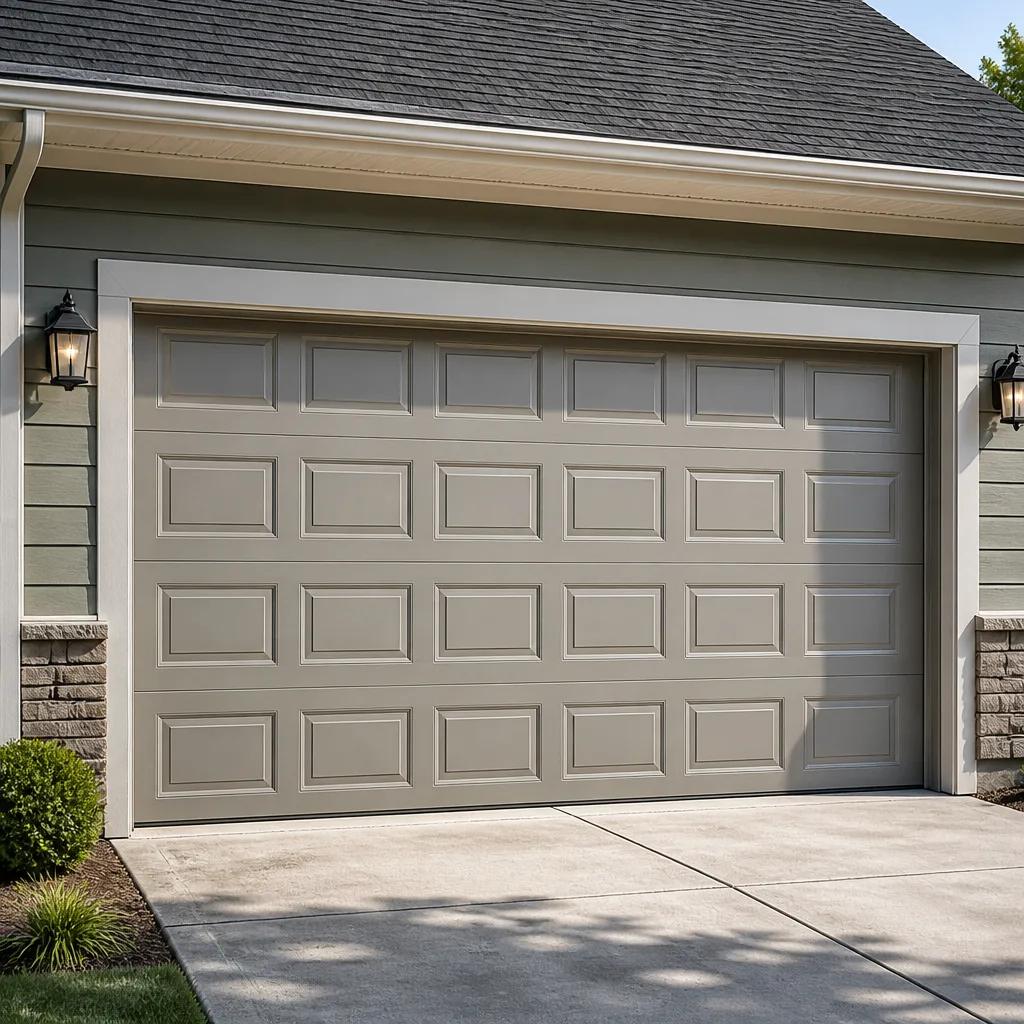 Raised-panel steel
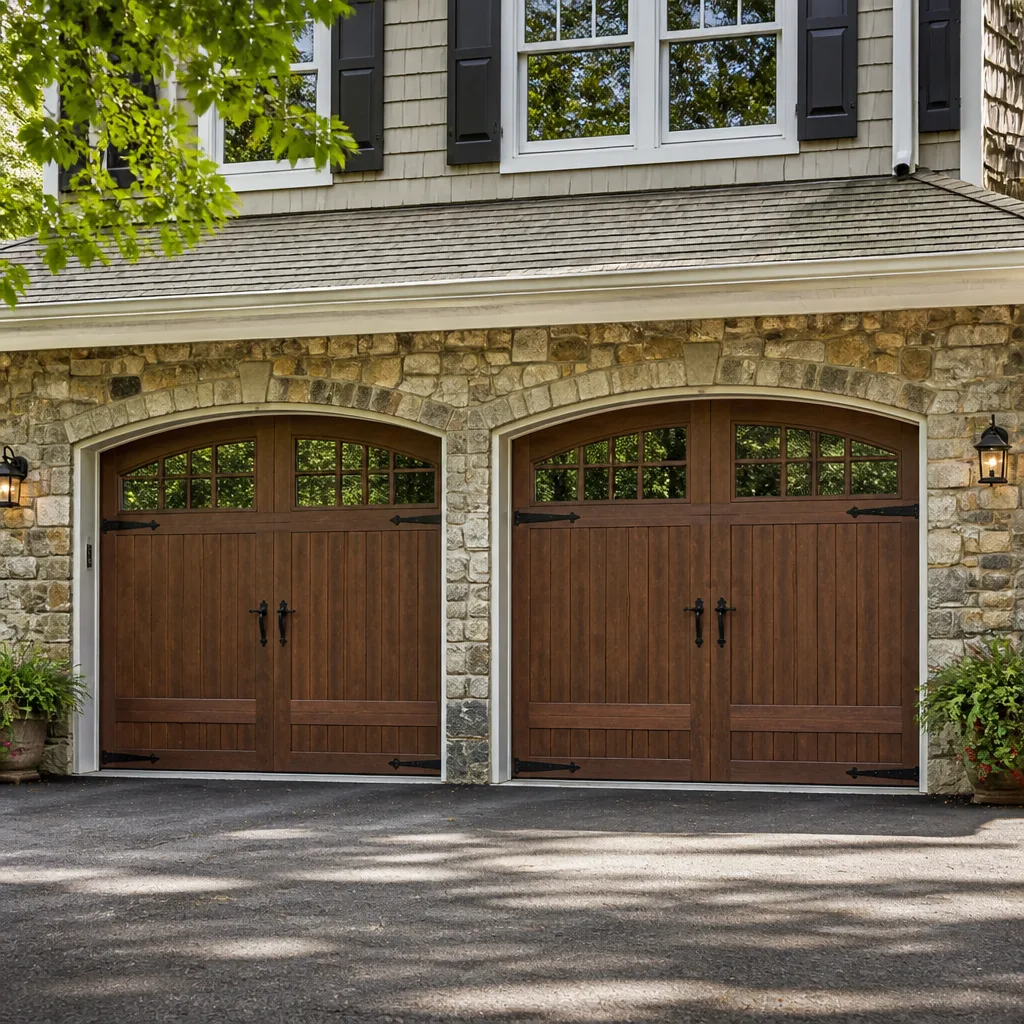 Carriage house
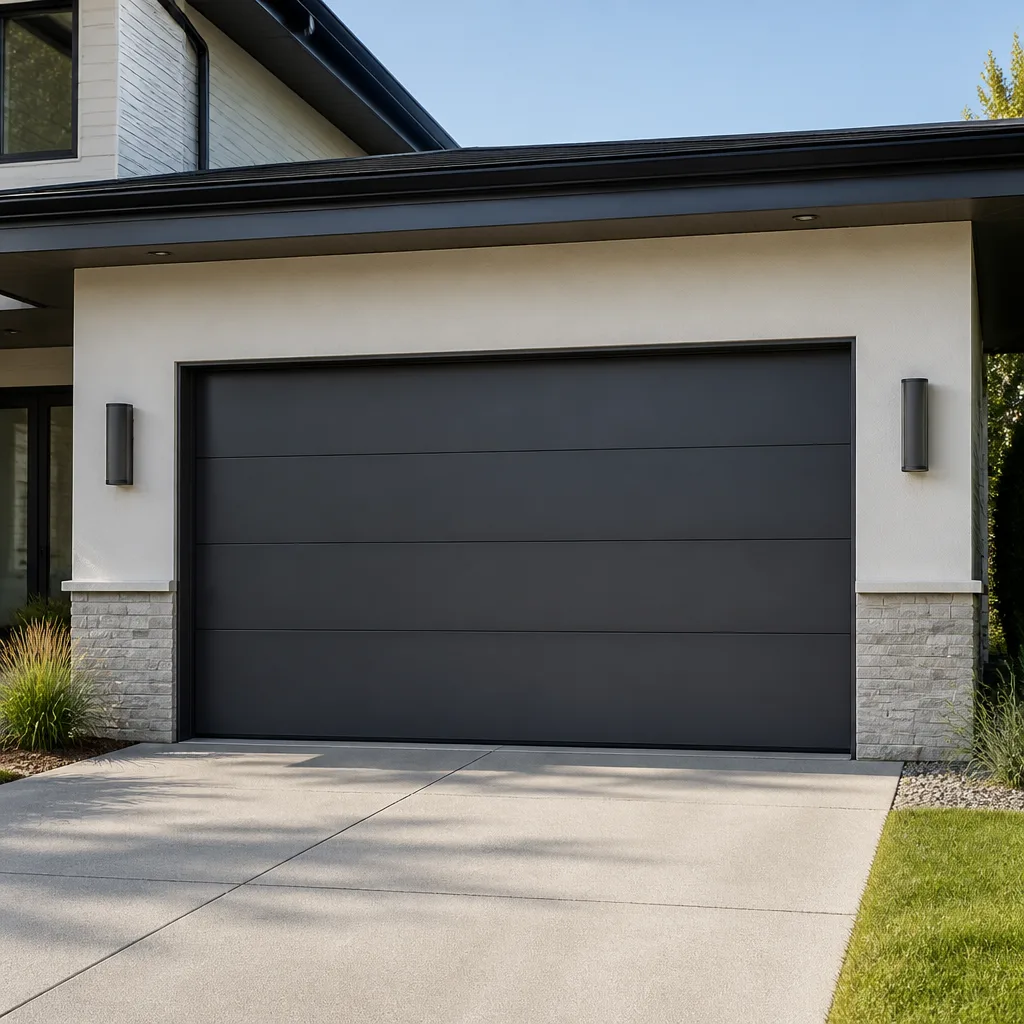 Modern flush
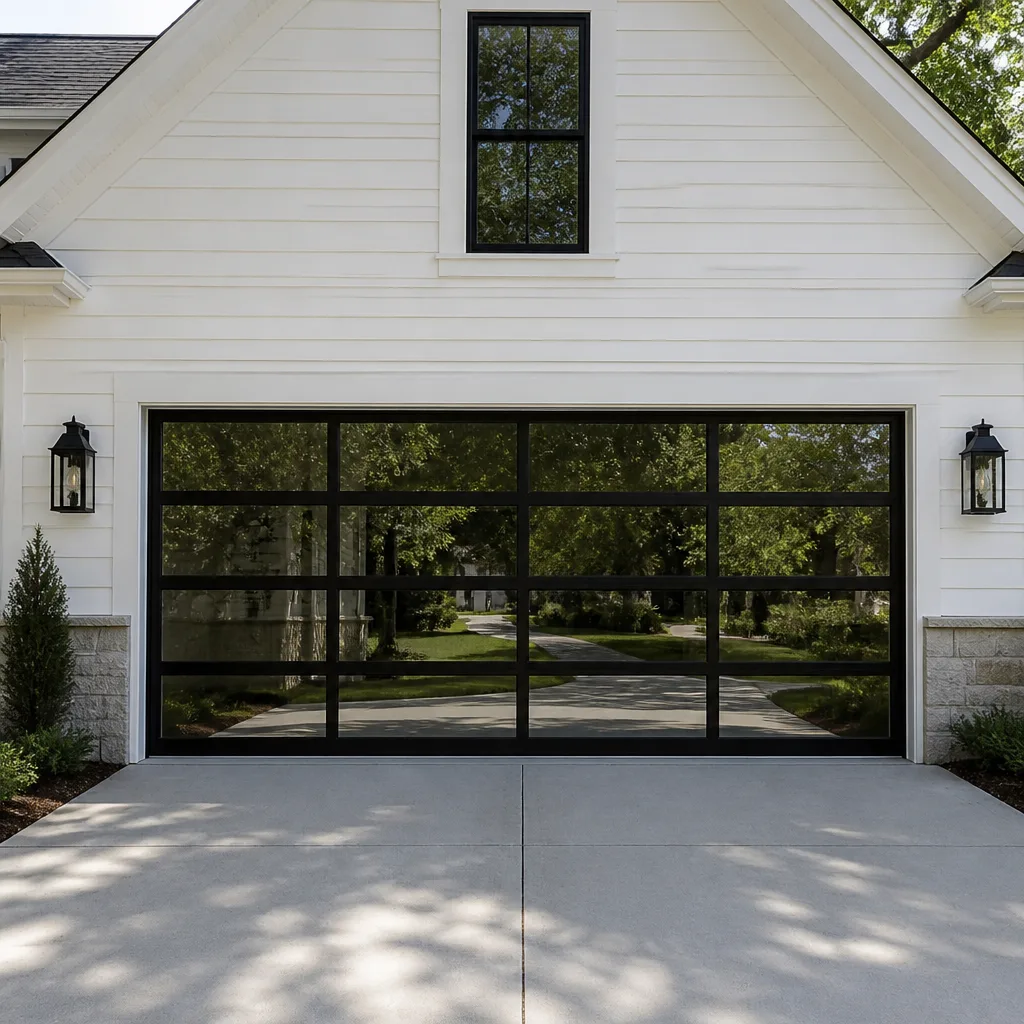 Full-view glass
 LiftMaster openers
 Chamberlain openers
Full 25-point door and opener safety check with every visit - springs, cables, rollers, tracks, and your LiftMaster or Chamberlain opener included
You get a price before we start. It does not change when the pro arrives.
Get your free estimateGarage Door Warning Signs: A Highland Park Homeowner’s Reference Guide
Two doors can sound identical on the phone and turn out to have nothing in common. A door that reverses before it touches the ground and a door that won’t close at all look like the same problem to most homeowners, yet they trace back to completely different components. One is usually a safety sensor or a travel limit adjustment; the other often points to a spring, a cable, or a track that’s out of alignment. That mismatch is why phone diagnosis goes wrong and why the wrong parts get ordered. This guide maps each warning sign to the mechanical cause behind it, so you can describe what’s happening in Highland Park with the precision that shortens a repair. You’ll learn the audio and visual cues that separate spring, cable and opener failures, which symptoms are urgent, and what opener error codes actually mean.
Quick Answer
Garage door warning signs fall into two groups: urgent failures and progressive wear. Loud bangs, a door stuck halfway, snapped cables, doors off track, and doors that close on their own are urgent and need a trained technician before the door moves again. Grinding, slow travel, hesitation in cold weather, and a door that reverses before the floor are progressive signs that point to lubrication, spring tension, sensor alignment, or track wear. Either way, the fix is identified by matching the specific symptom to its mechanical source, not by guessing from the sound alone.
Styles & brands we work with
- Raised-panel steel
- Carriage house
- Modern flush
- Full-view glass
- LiftMaster openers
- Chamberlain openers
Table of Contents
- Symptom-to-Cause: What Each Warning Sign Actually Means
- Spring, Cable, or Opener? How to Tell the Difference Without Tools
- Why Your Door Hesitates in Cold Weather
- Urgent Failures vs. Progressive Wear: Which Signs Can Wait
- Opener Error Codes: What They Mean Mechanically
- Safety Sensors and the Reversal Problem
- What Highland Park Homes and Climate Do to Garage Doors
- A Simple Diagnostic Checklist You Can Run Today
Symptom-to-Cause: What Each Warning Sign Actually Means
The biggest mistake homeowners make is treating every symptom as “the door is broken.” A garage door is a system, and each symptom points to a specific part of that system. Here’s how the observable signs map to their mechanical sources.
| What You Notice | Most Likely Mechanical Cause | Typical Urgency |
|---|---|---|
| Grinding or scraping during travel | Dry or worn rollers, a bent track, or a torsion spring binding | Progressive |
| Slow, jerky travel | Failing torsion spring, worn opener gear, or a sagging cable | Progressive |
| Door opens only partway | Opener travel limit set wrong, or the opener’s force setting is fighting a worn spring | Progressive to urgent |
| Reverses before touching the ground | Misaligned or dirty safety sensor, or an obstruction in the path | Progressive |
| Door sags on one side | A single snapped extension cable or a worn torsion spring on one side | Urgent |
| Loud bang, door won’t lift | A broken torsion spring, the classic spring failure | Urgent |
| Door closes on its own | Cable off the drum or a track that lost its alignment | Urgent |
That table is the reference we come back to in our experience. When you call, describing “grinding on the left side during travel” gives a technician more than “my door is acting funny.” It lets them bring the right parts and, in many cases, diagnose a system before they arrive.
Why “It Still Opens” Doesn’t Mean It’s Fine
A garage door can operate for weeks while a spring is losing tension. The opener compensates by pulling harder, which wears the opener’s gear and motor. By the time the door finally stops, the repair is often bigger than the original spring problem would have been. That’s the argument for paying attention to small symptoms early, especially in a home where the door runs multiple times a day.
Spring, Cable, or Opener? How to Tell the Difference Without Tools
You don’t need a wrench to narrow down where the problem is. Your eyes and ears are enough for a first pass. Here’s how each of the three main subsystems behaves when it fails.
Spring Failure
Torsion springs mount horizontally above the door on a shaft. Extension springs run above the door’s horizontal tracks. When a torsion spring breaks, it typically makes a sharp, loud bang, and the door becomes extremely heavy or won’t lift at all. With extension springs, a broken spring often leaves the door sagging to one side. In both cases, the opener may run, but the door won’t move, or it moves a few inches and stops.
Cable Failure
Cables run from the bottom corners of the door up to drums or pulleys. A snapped cable is usually obvious. You’ll see a loose cable hanging from one side, and the door will tilt unevenly in its tracks. A cable that has slipped off its drum is quieter. The door may open but bind partway, or it may make a popping sound as the cable jumps. Cables fray before they snap. Look for a frayed or birdcaged section near the bottom bracket.
Opener Failure
Opener problems look different. The motor may hum without moving the door, the door may stop at an odd height, or pressing the remote does nothing at all. Opener failure usually means a stripped gear, a failed capacitor, a dead logic board, or a safety sensor problem. If the door is physically balanced and the springs are intact, the opener becomes the leading suspect. This is the point where a garage door opener repair call makes sense rather than a whole-door replacement. A good quick check: pull the emergency release cord to disconnect the opener, then lift the door by hand. If it lifts easily and stays put, the springs and cables are likely fine and the opener is the culprit. If it feels heavy or won’t stay up, the mechanical system needs service.
A Note on Spring Work
Torsion and extension springs sit under very high tension. Loosening the wrong winding bar or adjusting a spring without the proper training can cause serious injury. Spring repair is safety-critical work, and we treat it that way. Don’t attempt it yourself. Highland Park homeowners can call us for a garage door spring repair diagnosis, and we’ll explain what failed and why.
Why Your Door Hesitates in Cold Weather
Highland Park winters are cold enough that a garage door reveals problems it hides in summer. If your door “works fine most of the time” but hesitates or runs slower once temperatures drop, that’s not random. Cold has a specific effect on two parts of the system.
Lubrication and Stiff Rollers
Rollers, hinges, and the spring coil all rely on a light film of lubricant. In low temperatures that film thickens or dries out, and the moving parts resist. Each roller drags a little more, and the door feels sluggish. When the door gets sluggish in the cold, the opener has to work harder to move it. Regular lubrication helps, but if the door has been running dry for years, greasing it won’t fix worn rollers. They need to be replaced.
Losing Spring Tension
A spring is under tension, and cold metal contracts. A torsion spring that’s been slowly losing tension over a season may not reveal the loss until a cold morning, when the door is heavy and the opener can’t compensate. That’s why some garages in Highland Park work all fall and then fail on the first freezing week. The spring didn’t break overnight. It had been weakening the whole time.
Weatherstripping That’s Frozen in Place
Bottom seals between the door and the floor can freeze to the slab, especially if a door sits unused through cold nights. A door that pops or struggles to open after a cold spell may be pulling away from a frozen seal. Sometimes a seal issue is all it is. If the door opens without that resistance during the day, the seal is the likely cause, and a replacement strip solves it.
Urgent Failures vs. Progressive Wear: Which Signs Can Wait
Not every warning sign needs the same response. Some are emergencies. Some are scheduled repairs. Knowing the difference keeps you from panicking over a slow symptom or, worse, continuing to use a door that’s about to fail dangerously.
Emergency: Stop Using the Door
- Loud bang followed by the door not lifting. This is almost always a broken torsion spring. Don’t force the opener; it will strip the gear chasing a door it can’t move.
- A snapped cable hanging loose, or a door sagging on one side. The door’s weight is now unbalanced and the remaining cable is carrying double its load. Use of the door can drop it off the tracks.
- The door off its track. The door can fall. Don’t operate the opener and don’t try to push it back in place by hand.
- The door closing on its own or dropping fast. This points to a cable or spring failure and is a safety hazard, especially for kids and pets.
For all four, call us. Emergency garage door service is a core part of what we do, not an upsell. When the door won’t move or the home is unsecured, fast response matters. We answer 24/7, with fast dispatch from 7am to 7pm, Sunday through Friday. If a call comes outside dispatch hours, we book it into the next opening.
Scheduled Repair: Track It, Then Book It
- Grinding or squeaking while the door opens and closes
- Slow travel or uneven motion
- A door that reverses before touching the floor
- An opener that flashes a code on its light panel
- Weatherstripping that’s cracked or pulling away from the frame
These are signs of wear that will get worse, but they don’t require the door to be shut down immediately. Note the symptom, then schedule a repair for the same week. In our experience, early repair on progressive wear is usually less expensive than waiting for a sprung spring or an off-track door. It’s the difference between a garage door repair and an emergency.
Opener Error Codes: What They Mean Mechanically
Modern openers often report their problem as a code, usually a number of light flashes or a message on a wall-mounted panel. The exact code varies by brand, so the first thing is to identify yours, then look at what the flashes are telling you. Here’s how the common codes translate to mechanical issues on the brands we see most often in Highland Park.
LiftMaster and Chamberlain
These two share the myQ-compatible ecosystem and many of the same logic boards. A wall panel that flashes a specific number of times is pointing to a specific fault.
- 1 flash: Logic board error. The opener’s control board is not processing correctly.
- 2 flashes: Obstruction in the path or a misaligned safety sensor. Check the sensor eyes first.
- 3 flashes: Safety sensor failure, or the wiring between sensors and opener is loose or reversed.
- 4 flashes: Opener’s internal force or travel limit was exceeded. Often a spring or track binding is making the door hard to move.
- 5 flashes: Radio or remote interference. Usually a programming issue, not mechanical.
Genie
Genie openers often use a similar flash pattern but assign it differently. Consult the manual for your model, but the pattern is consistent enough that a technician can interpret it. Multiple rapid flashes that repeat in groups usually point to a limit or force setting. A single solid flash or a light that stays on often means a sensor or logic problem.
What Codes Can’t Tell You
Error codes tell you a system failed, not why it failed. A 4-flash code on a LiftMaster doesn’t say “spring is broken.” It says “the door is taking too much force to move.” That could be a dry hinge, a misaligned track, or a weakening spring. That’s why the symptom-to-cause matrix earlier in this guide helps. The code gets you in the right neighborhood; the visual inspection pinpoints the address. Technicians certified in LiftMaster, Chamberlain, and Genie can decode the flash pattern and pair it with a physical inspection.
Safety Sensors and the Reversal Problem
A door that reverses before touching the floor is the single most misread warning sign. Homeowners assume it’s the opener failing. It’s usually one of the two safety sensors near the floor, one on each side of the door. They send an invisible beam to each other, and if anything interrupts it, the door stops and reverses. Here’s what to check, in order.
- Clean the sensor lenses. Dust, spiderwebs, and cobwebs are enough to break the beam.
- Check for an obstruction. A leaf, a piece of trash, or a toy near the door’s path will trip the sensors.
- Align the sensors. Both should point at each other. Many sensor units have a small LED that stays solid when aligned and blinks when misaligned.
- Check the wiring. Loose sensor wires at the opener are a common culprit.
- Check the door’s travel. If the door still reverses with clear sensors, the opener’s travel limit or force setting may need adjustment.
If you’ve done all five and the door still reverses, the sensor or opener clearly needs professional attention. We can usually resolve it in a single visit.
What Highland Park Homes and Climate Do to Garage Doors
Garage doors fail differently depending on where they are. Highland Park has a few factors that shape which problems turn up most often. The climate swings, the housing stock is diverse, and most homes have an attached garage that’s used multiple times a day through every season.
Cold Winters, Hot Summers, Big Swings
South of the Wisconsin line, Highland Park gets hard winters and humid summers, and every garage door in the city expands and contracts through that cycle. Springs lose tension. Rollers dry out. Wooden jambs warp. Weatherstripping cracks and pulls loose. A door that was installed tight in a mild fall can show gaps by the following spring. That’s why Highland Park homeowners often find the door needs adjusting in the first cold week of winter, not in summer.
The Housing Stock
Highland Park has a mix of vintage homes and newer construction. Older garages, especially, carry doors that have been repaired several times with mismatched parts. We work on the brand you already have, whether that’s an older Genie unit with a legacy logic board, a Clopay door with a worn spring, or an Amarr door with a track that’s seen better days. Matching a new part to an older system takes familiarity with that brand.
Neighborhood Patterns We Notice
Across the city, from walkable areas with older, narrow garages to newer builds with two-car doors and smart-home openers, the pattern is the same: a system that runs several times a day, every day, wears on a predictable schedule. It’s not random. It’s maintenance timing.
A Simple Diagnostic Checklist You Can Run Today
This checklist is a first pass, not a repair. Run through it once and note what you find. It helps you describe your issue precisely when you call.
- Listen. Walk to the door and cycle it once. Grinding means rollers or tracks. Squealing means lubrication. A bang means a spring.
- Watch the travel. Does the door move at the same speed on the way up and down? A slow spot points to a binding track or a weakening spring.
- Look at the springs. Torsion springs sit above the door on a shaft. Extension springs sit above the horizontal tracks. Look for a gap in a torsion spring coil (a visible break) or a spring hanging loose on one side.
- Look at the cables. Check both bottom corners of the door. You should see tensioned cables on each side. A loose cable or a cable with a frayed section needs service.
- Check the safety sensors. Both units near the floor should have a solid LED. A blinking LED means misalignment or an obstruction.
- Disconnect the opener. Pull the emergency release cord. Lift the door halfway by hand. It should lift easily and hold. If it won’t, the problem is mechanical. If it will, look at the opener.
- Look at the opener panel. Note any flashing codes and how many flashes are in each group. That’s the code number.
- Check the weatherstripping. A worn bottom seal should be flexible, not cracked or flaking.
Write down what you find and what you hear. When you call, that list turns a vague “broken door” into a diagnosis. Our technicians have up to 13 years of experience, and a clear description from you helps them arrive prepared.
Common Mistakes to Avoid
- Forcing the opener when the door won’t move. If the door won’t lift, don’t keep pressing the button. You’ll strip the opener gear and turn a spring repair into an opener replacement too.
- Replacing the whole door when only one part failed. A broken spring, a bent track, or a dead opener is a repair, not a replacement. In our experience, most aging doors in Highland Park can be brought back to working order with the right part, not a new door.
- Treating a spring as a DIY job. A torsion spring under tension can cause serious injury if released incorrectly. Spring repair is safety-critical work. Call a technician.
- Ignoring a slow door through the cold season. A door that hesitates in winter is telling you a spring is losing tension or the rollers are dry. Waiting usually means a bigger repair.
- Assuming the sensor is fine because it looks aligned. Sensors often look aligned but the LEDs tell a different story. Check the LED, not just the angle.
- Buying a new opener before the mechanical system is checked. Many “bad openers” turn out to be a binding track or a worn spring. Diagnose the mechanics first, then look at the opener.
- Paying for parts before getting a written estimate. A proper diagnosis should come with a written price for the job. You shouldn’t be guessing what the repair will cost after the fact.
See the difference
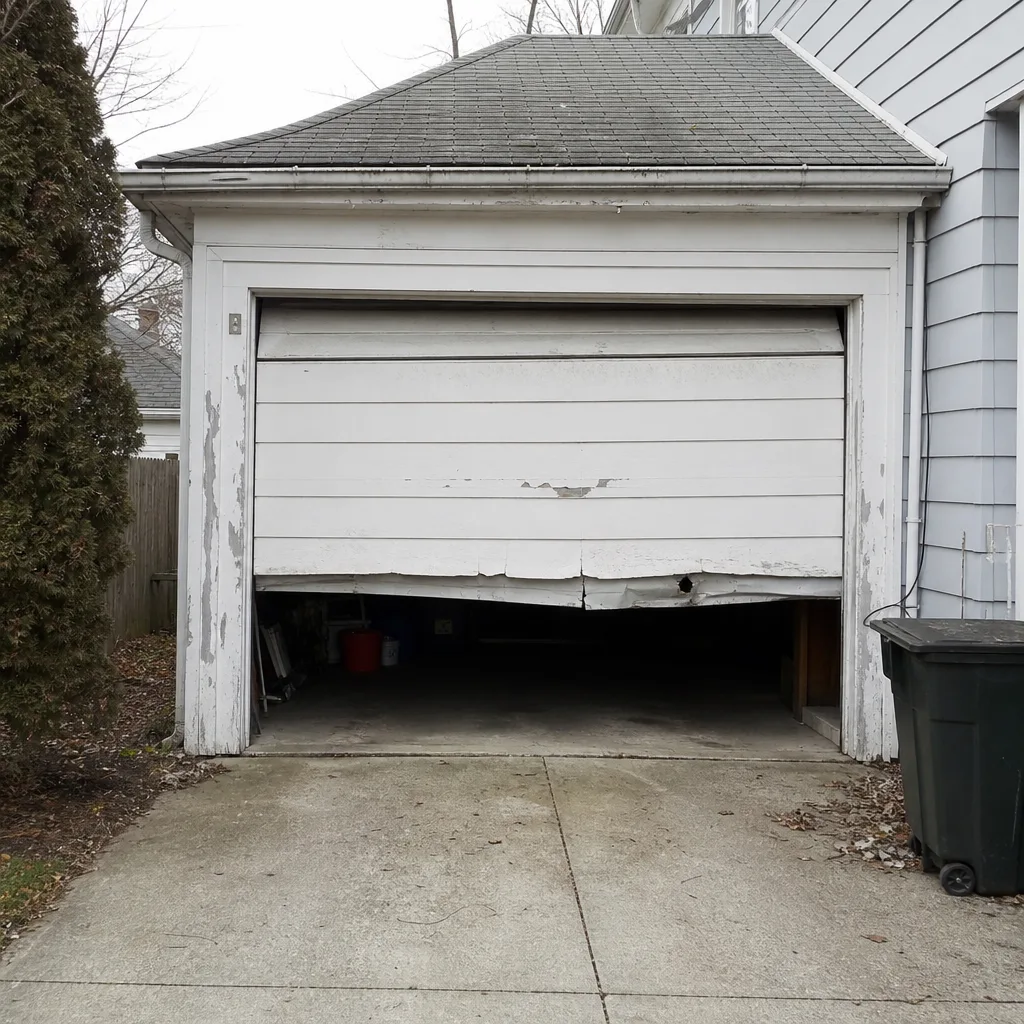 Before
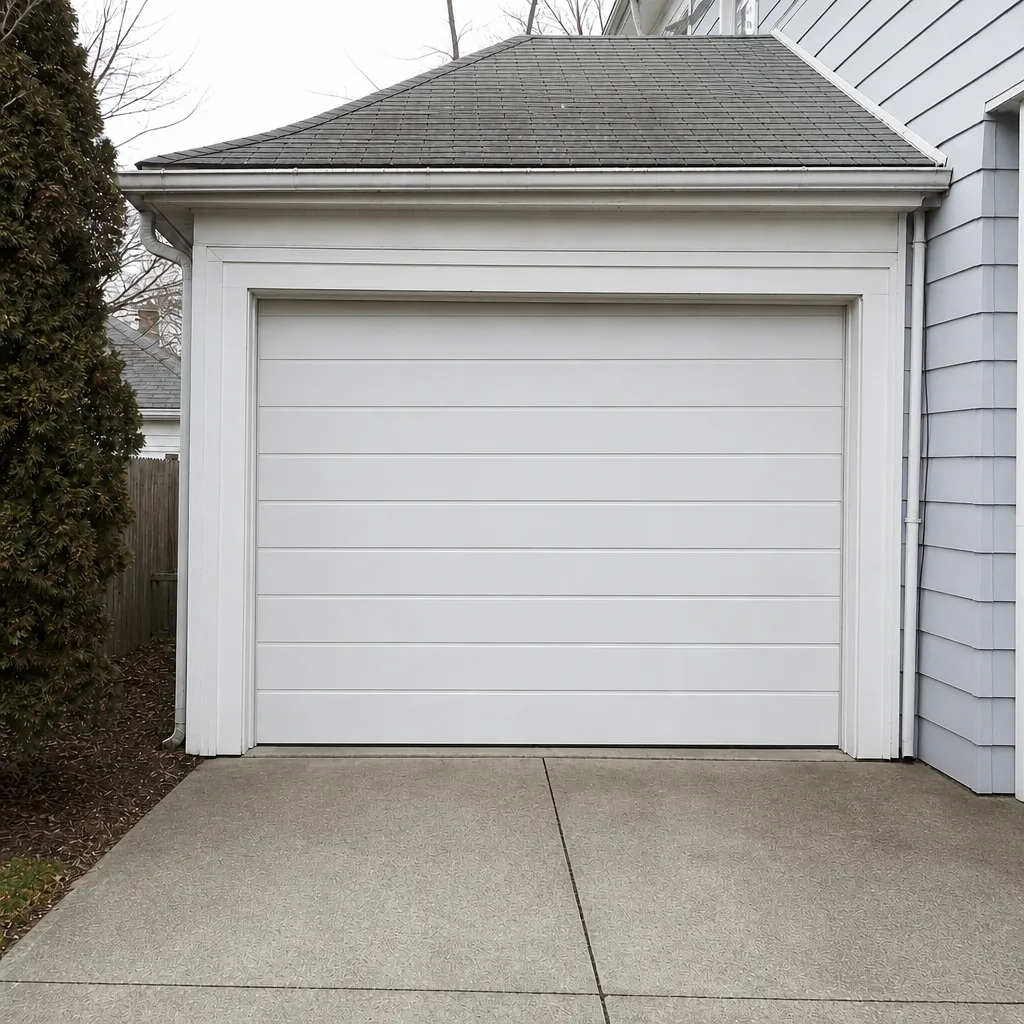 After
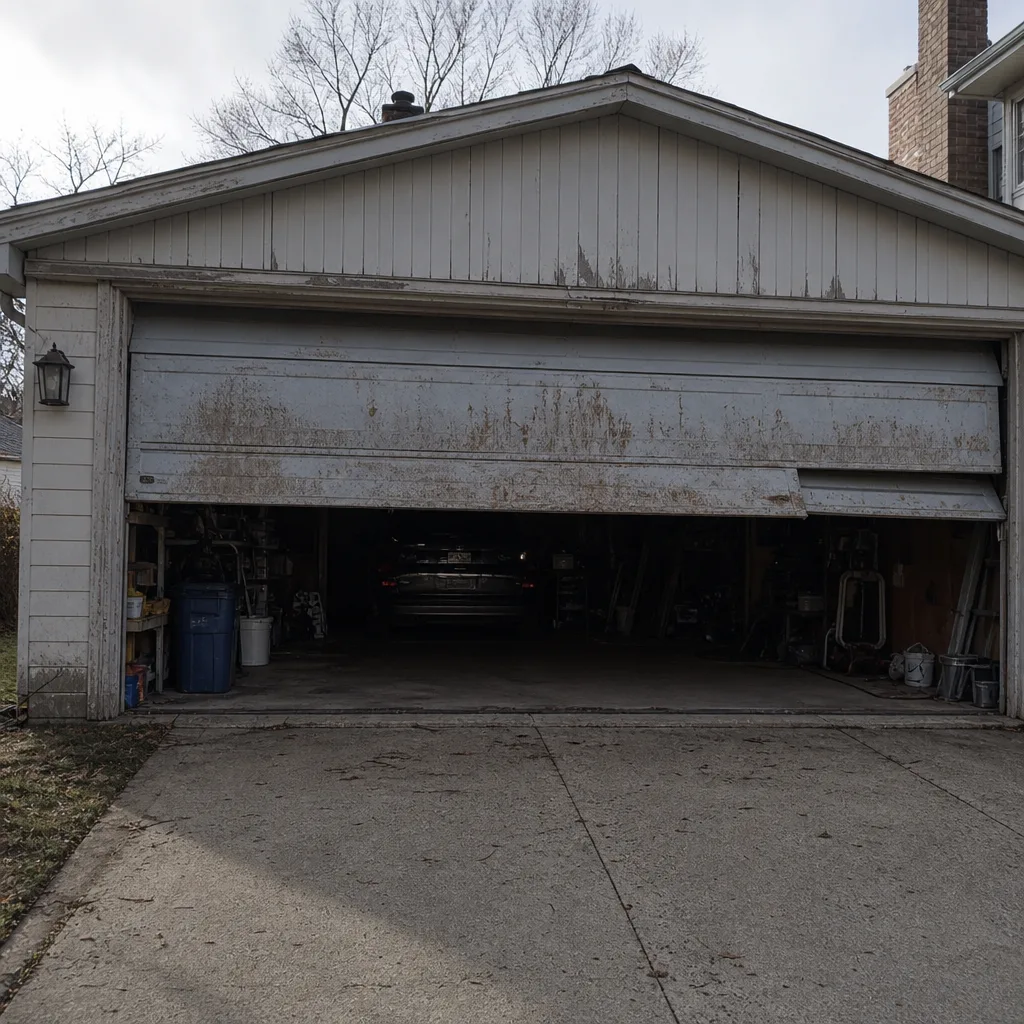 Before
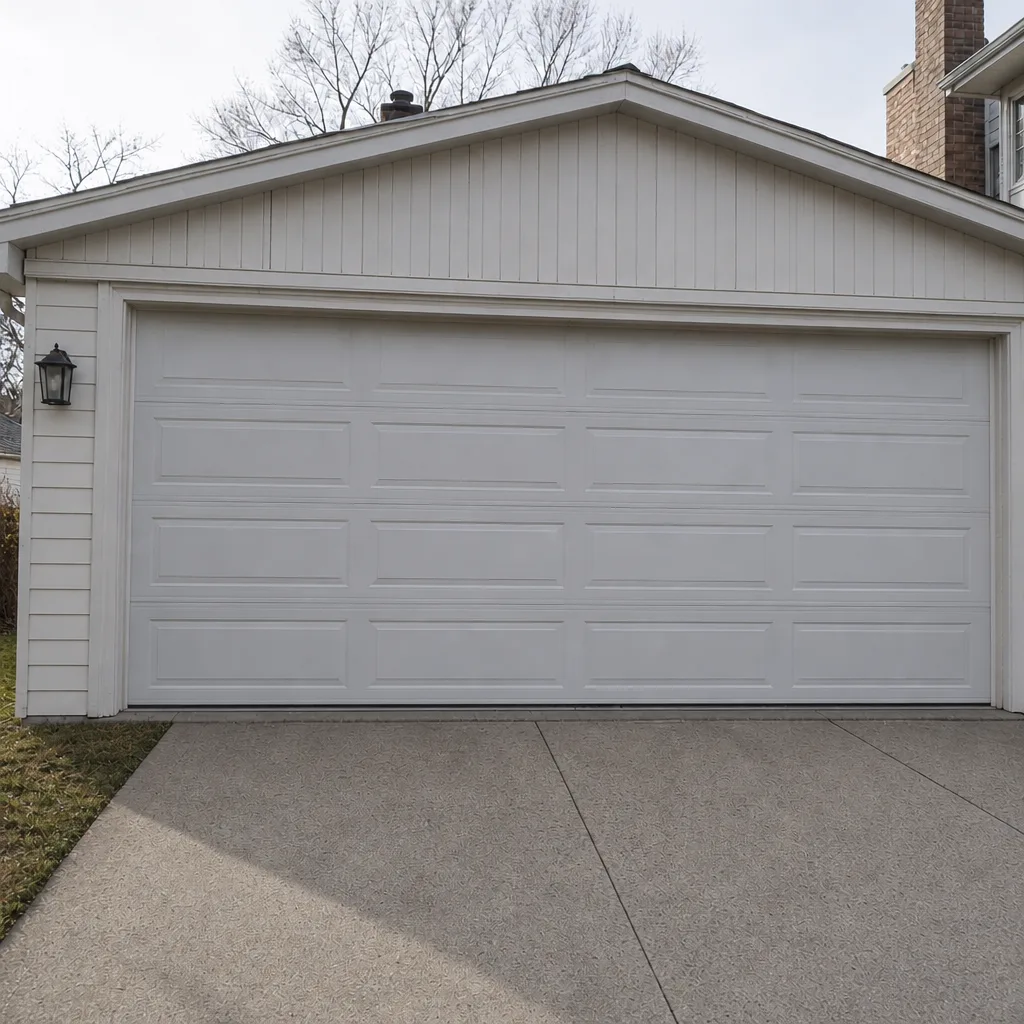 After
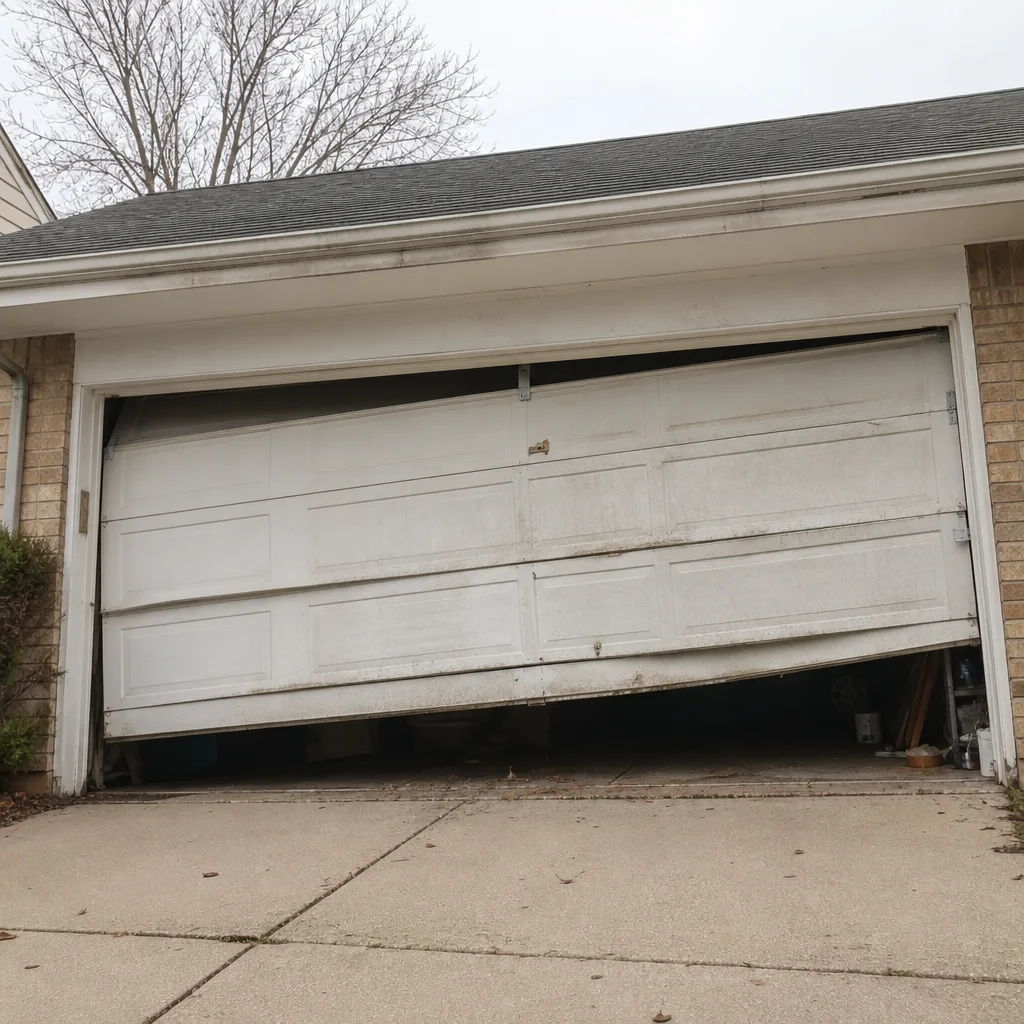 Before
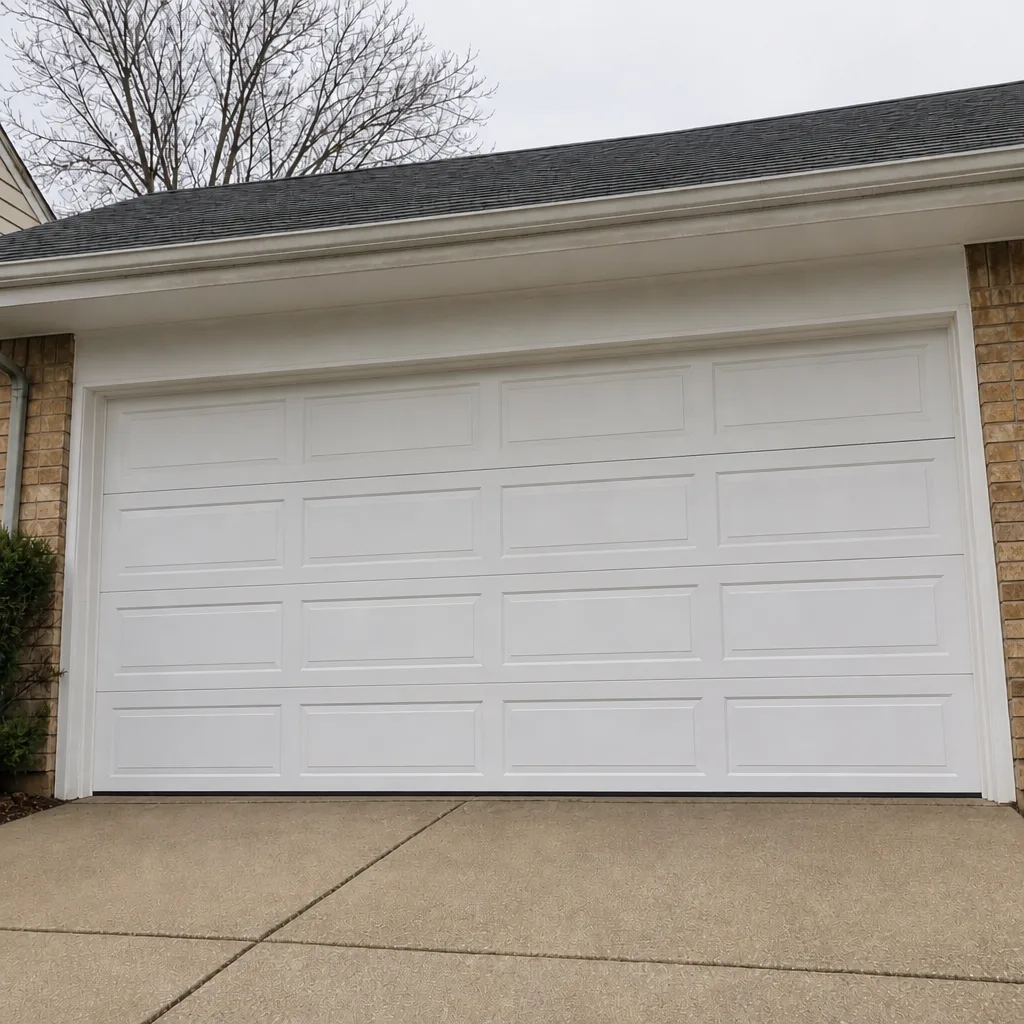 After
When to Call a Professional
Call us when any of these are true: the door won’t lift, the door is off its track, a cable is snapped or hanging loose, the door closes on its own, a spring has visibly broken, or the opener runs but the door won’t move. Call us too if the door reverses before touching the floor and the sensor lenses are clean and aligned. For progressive symptoms like grinding, slow travel, or a hesitation in cold weather, a scheduled repair is the right call before the symptom worsens. If you have questions about whether an issue is urgent, we’ll help you decide. Garage Door Repair Highland Park Pros offers free estimates in Highland Park. Call (866) 729-7583. We answer 24/7, with fast dispatch from 7am to 7pm, Sunday through Friday. We’re closed on Saturday. The price is set by a written estimate and agreed before any work starts.
Frequently Asked Questions
Spring repair pricing is quoted per job, and the ranges vary with the spring type, the door’s weight, and whether it’s a single spring or a matched pair that needs replacing together. Because we work on the brand you already have, pricing also depends on the specific system. Rather than give a number over the phone that may not fit, we come out, look at the door, and give a written estimate before any work begins. The written price is the price. Call (866) 729-7583 for a free estimate.
In most cases, yes. Emergency garage door service is a core offering, and when the door is stuck, a car is trapped, or the home is unsecured, we move fast. We answer 24/7, with fast dispatch from 7am to 7pm, Sunday through Friday, and closed Saturday. A call outside dispatch hours is booked into the next opening. Call (866) 729-7583 and describe the symptom; it helps us arrive with the right parts.
No. We give a written estimate after inspecting the door, and that written estimate sets the final price. If the inspection reveals a bigger problem, we’ll explain it before doing anything. You should never get a bill larger than the quote. Call (866) 729-7583 for a free estimate.
The local professionals we connect you with are licensed and insured as their state requires, and they work on garage doors as a single trade, not as a general handyman service. Our technicians have up to 13 years of experience and work on LiftMaster, Chamberlain, Genie, Clopay, Amarr, Wayne Dalton, Craftsman, and Raynor systems. Call (866) 729-7583 to book a visit.
Usually not. A door reversing before the floor is almost always a safety sensor issue, not an opener failure. Clean the sensor lenses, check for an obstruction, and confirm both sensors are aligned with solid LEDs. If it still reverses, the sensor, wiring, or the opener’s travel limit may need adjustment. A trained technician can resolve it in one visit without replacing the opener. Call (866) 729-7583.
It’s common, but it isn’t random. Cold thickens lubricant, stiffens rollers, and reveals a spring that’s been quietly losing tension. A door that runs fine in summer and struggles in winter is giving you a lubrication or spring tension signal. Clearing it up before the deepest cold is cheaper than waiting for a spring failure. A Garage Door Repair Highland Park Pros visit can identify which cause you’re dealing with. Call (866) 729-7583 for a free estimate.
The Bottom Line
Every garage door warning sign has a specific mechanical cause. A door that reverses is usually a sensor problem; a door that bangs and won’t lift is a broken spring; a door that sags is usually a cable. Matching the symptom to the component is what lets a technician bring the right part the first time. Progressive signs (grinding, slow travel, cold-weather hesitation) allow scheduled repair. Urgent signs (broken spring, snapped cable, off-track door, door closing on its own) need the door to stop moving and a call. A written estimate sets the price before any work begins, and the right fix is not the most expensive one. Call us with the symptom you see and hear; that clarity is what makes the repair fast.
Ready to have your door looked at? Call Garage Door Repair Highland Park Pros at (866) 729-7583 for a free estimate. We answer 24/7, with fast dispatch from 7am to 7pm, Sunday through Friday, closed Saturday. We work on the brand you already have, from a garage door opener repair to a full garage door repair. Let’s get the right fix, not the most expensive one.
Written by the team at Garage Door Repair Highland Park Pros.