
Last updated November 22, 2026
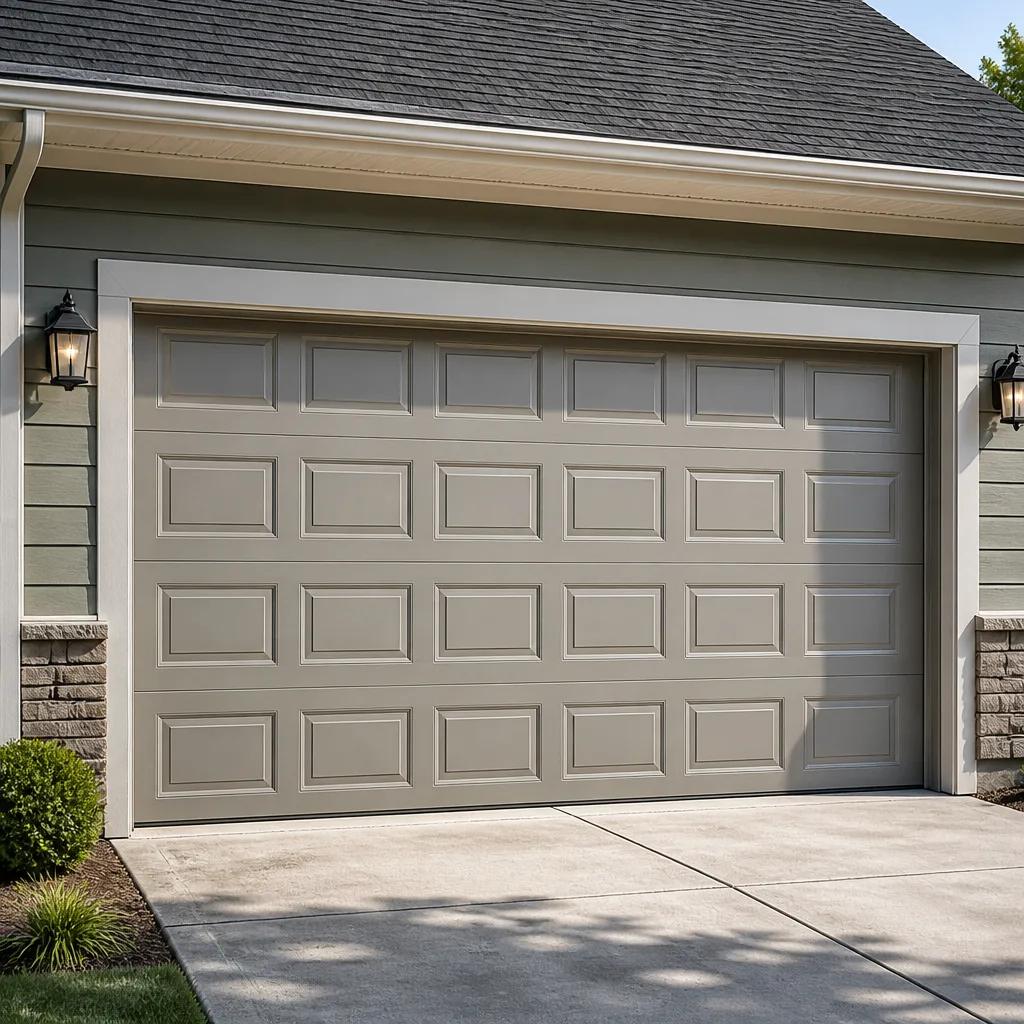 Raised-panel steel
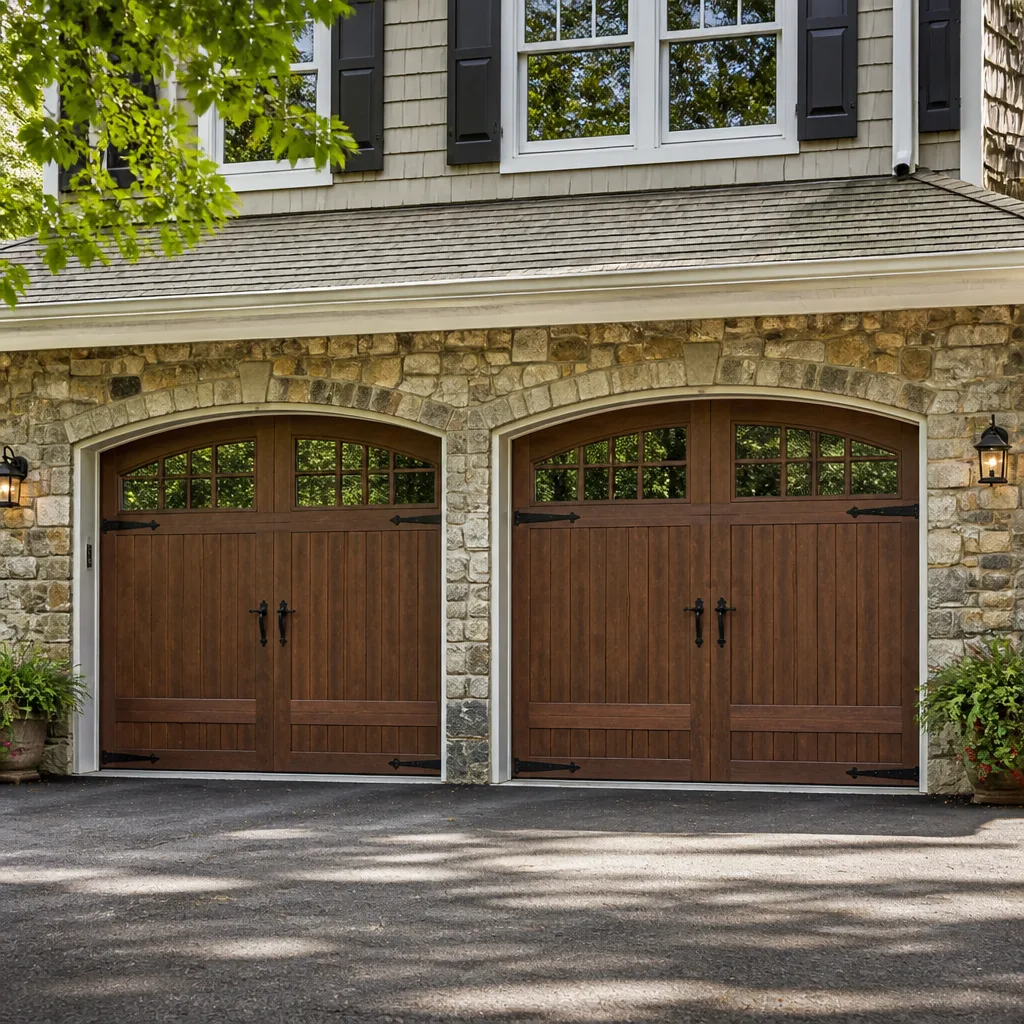 Carriage house
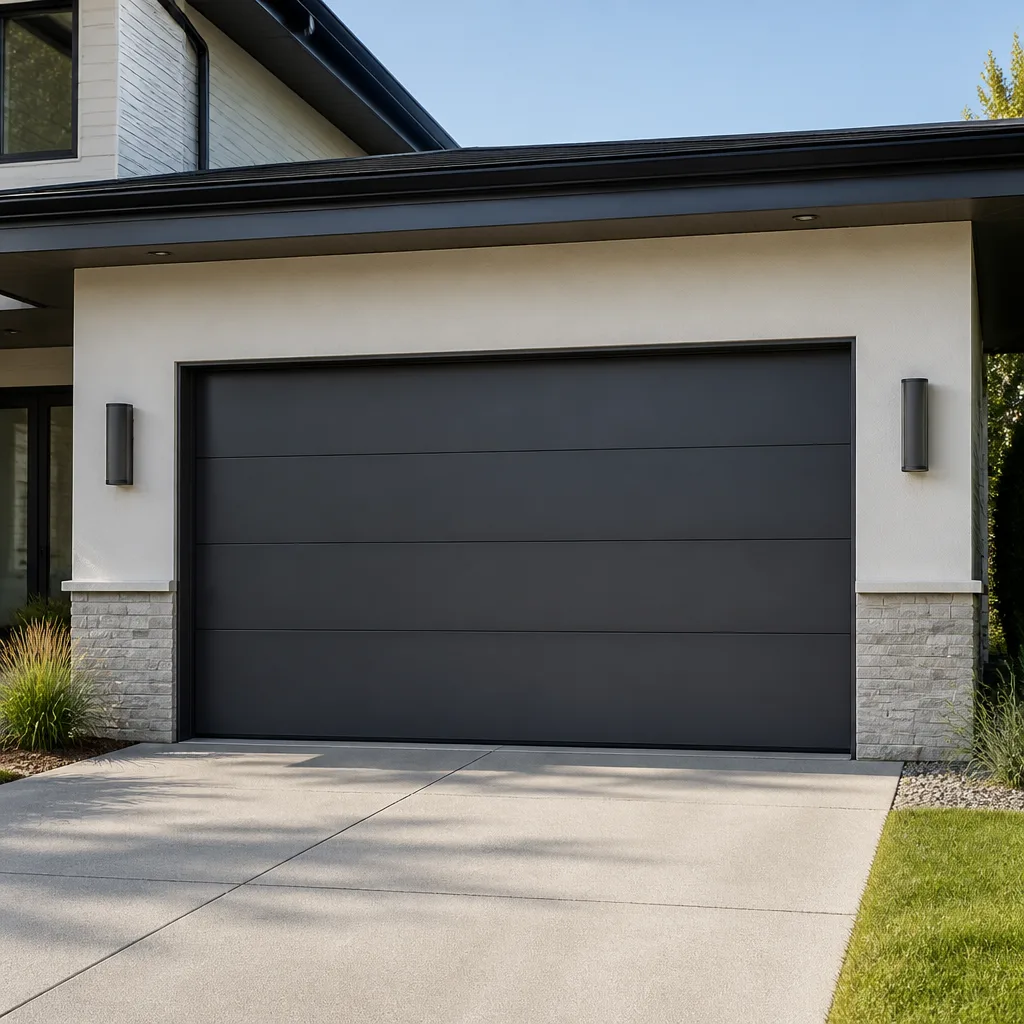 Modern flush
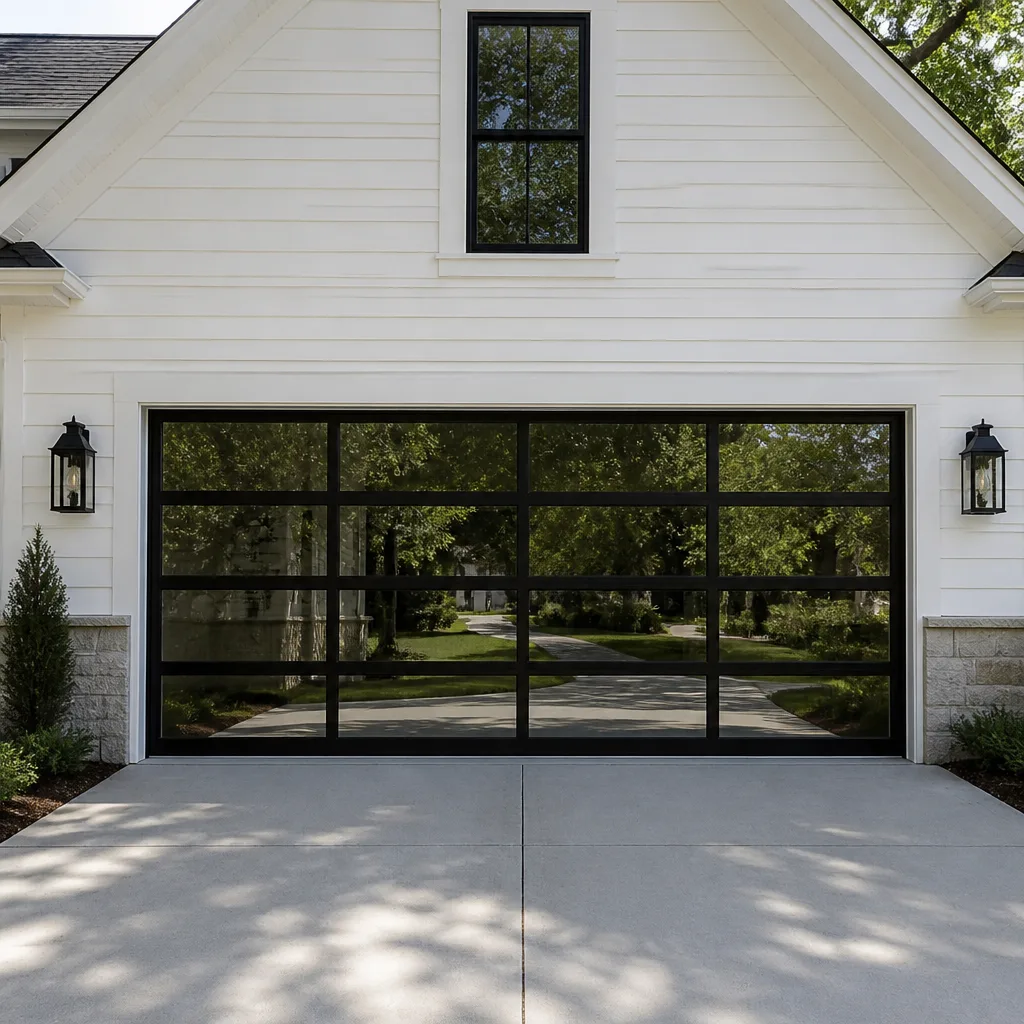 Full-view glass
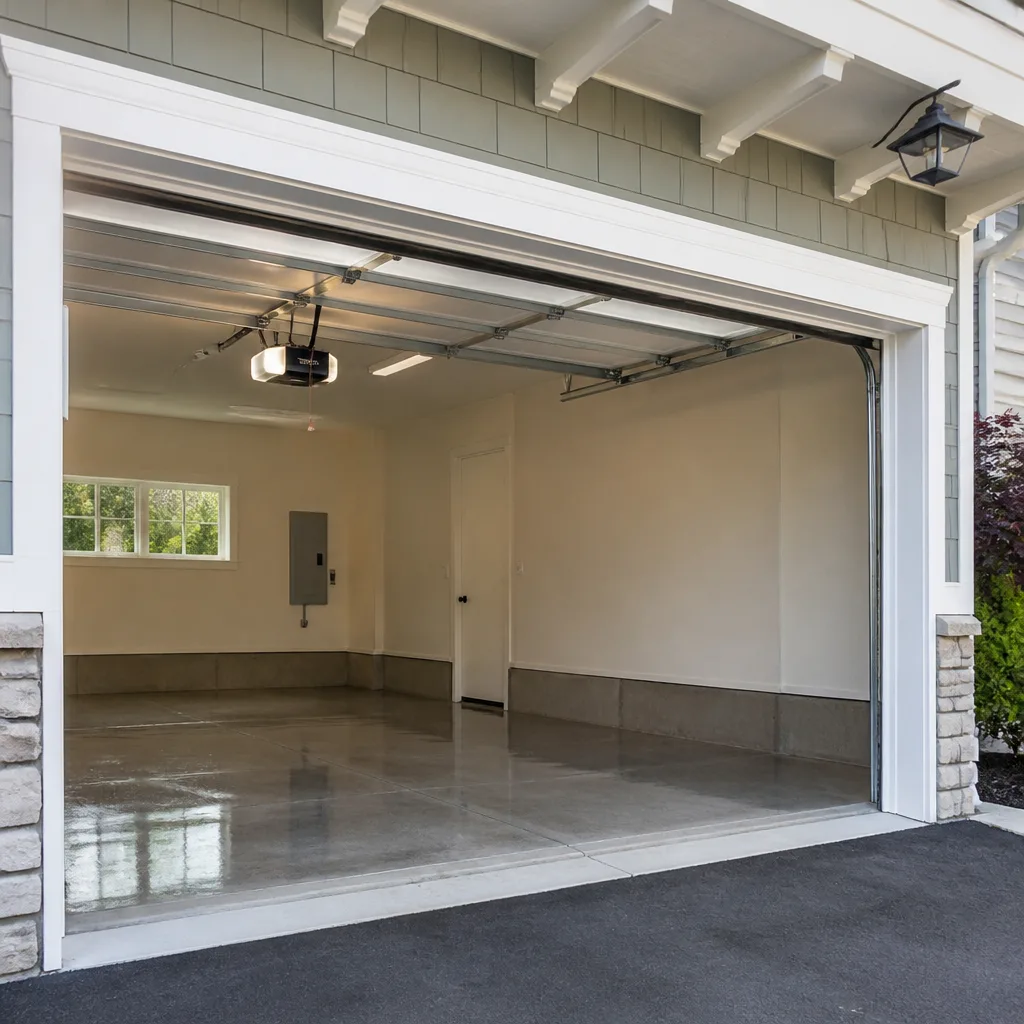 LiftMaster openers
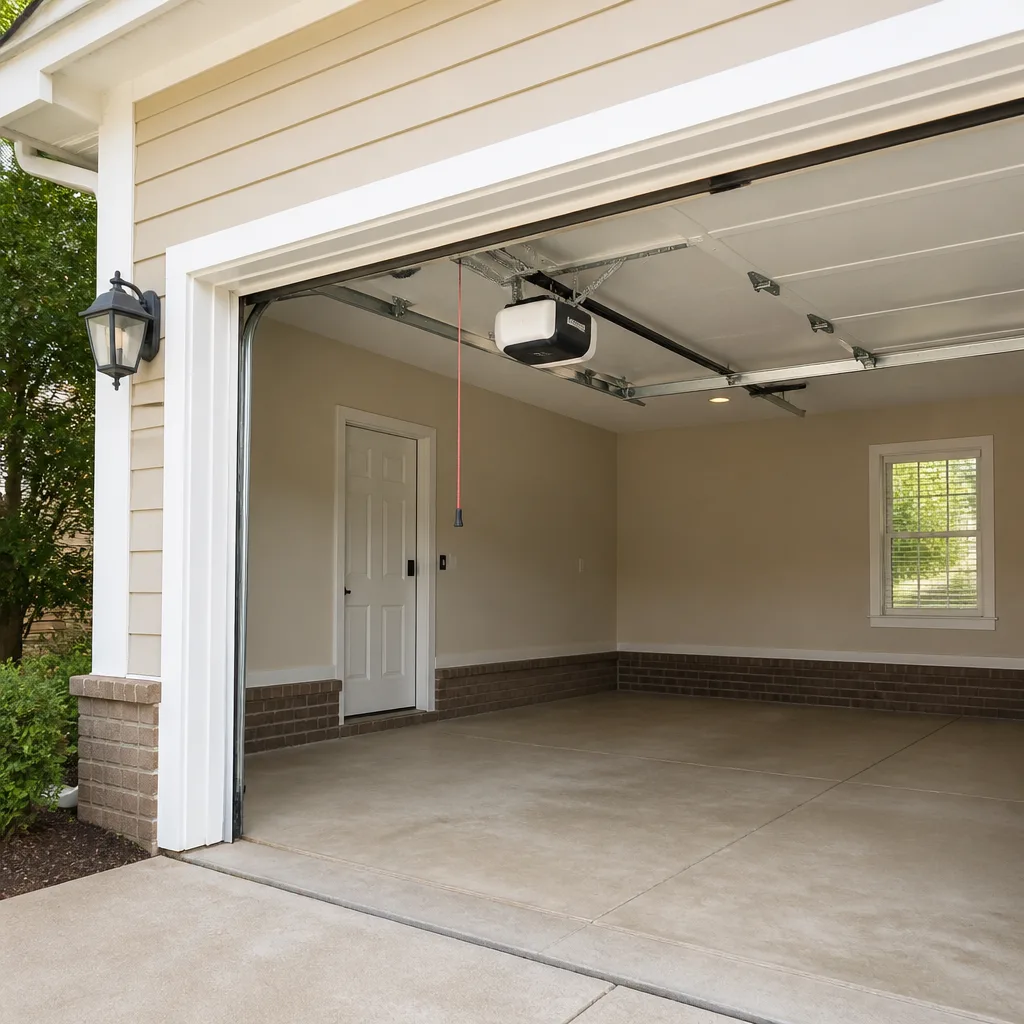 Chamberlain openers
Full 25-point door and opener safety check with every visit - springs, cables, rollers, tracks, and your LiftMaster or Chamberlain opener included
You get a price before we start. It does not change when the pro arrives.
Get your free estimateGarage Door Repair Maintenance Checklist for Highland Park Homeowners
Most garage door checklists tell you to “check the balance” and “lubricate the springs,” then leave you standing in the driveway with no idea what a passing grade looks like. That vagueness is why the checklist gets read once and never opened again. A balance test means nothing until you know that more than 2 inches of drift in 30 seconds points to springs on the way out. This guide replaces the fuzzy instructions with actual tolerances: how much roller wobble is fine, how much cable fraying means stop, and in what order things tend to fail on a Highland Park door. You’ll finish with a maintenance routine you can actually run.
Quick Answer
A working garage door maintenance checklist has five monthly visual checks, one annual mechanical inspection, and hard numbers that tell you when a part has moved from wear to failure. The key thresholds: more than 2 inches of drift in the balance test, any broken wire in a torsion cable, 1/4 inch or more of side-to-side roller play, and sagging you can see against a straightedge. A door that fails any of those needs a professional, not more lubricant. Mechanical work on springs and cables is safety-critical, and Highland Park’s freeze-thaw winters make the timing of lubrication and spring inspection matter more than in milder parts of the country.
Styles & brands we work with
- Raised-panel steel
- Carriage house
- Modern flush
- Full-view glass
- LiftMaster openers
- Chamberlain openers
Table of Contents
- The Five-Point Monthly Visual Inspection
- The Annual Mechanical Inspection: Tools and Sequence
- The Balance Test: What 2 Inches in 30 Seconds Actually Means
- Springs and Cables: How to Read Wear Before It Fails
- Rollers, Hinges, and Track: Tolerances That Matter
- Cold-Weather Lubrication Timing for Highland Park
- Testing Auto-Reverse Force With a 2×4
- Batching Repairs: Which Components Wear Together
The Five-Point Monthly Visual Inspection
This is the fast pass: five looks, no tools, about four minutes. Do it once a month and you’ll catch most developing problems long before they strand a car.
- Springs. Look at the torsion spring above the door or the extension springs along the horizontal tracks. A healthy spring is a continuous coil. A visible gap means a broken spring, and the door should not be operated.
- Cables. Run your eyes along each cable from the bottom bracket up to the drum. You’re looking for frayed strands, kinks, or a cable that’s jumped its drum groove.
- Rollers. With the door closed, look at each roller in its hinge. A cracked nylon wheel or a loose stem is a fail. Rollers should sit snug in the track with no daylight gap.
- Hinges and brackets. Check for cracks at the bend of each hinge and for loose bolts. Hinges are stamped metal and crack at stress points before they let go entirely.
- Weather seal and bottom bracket. The bottom rubber should touch the floor across the full width, with no light showing under the door. The bottom bracket should be tight with no rust perforation.
Any single fail on that list is a call-for-service item. The visual pass is designed to catch problems early, and catching them early is what keeps a Highland Park door from failing during a cold snap when you least want to deal with it.
The Annual Mechanical Inspection: Tools and Sequence
The monthly pass is about looking. The annual inspection is about measuring, and it needs a short tool list: a tape measure, a torpedo level, a screwdriver, and a straightedge or a 4-foot level you can hold against the door panel.
- Disconnect the opener by pulling the release cord so the door moves freely by hand. Never inspect a connected door for balance or travel issues.
- Check the door’s vertical travel by raising it to about halfway and letting go. It should hold roughly in place. If it drops fast or sprints up, the spring tension is off.
- Measure panel sag by holding the straightedge against the door horizontally at the middle and bottom. Any visible gap between the straightedge and the panel’s center is sagging, and it usually means a hinge or panel issue, not just cosmetic wear.
- Check the track for plumb by holding the level against each vertical track. Tracks should be parallel and square. Out-of-plumb tracks bind rollers and force the opener to work harder.
- Inspect the opener rail and chain or belt for slack, fraying, or excessive sag. A chain should have a slight amount of play, not hang low.
- Test the safety reverse with the 2×4 method covered below.
Do this annual pass in the fall, before the first hard freeze. That timing is the whole point of doing it in Highland Park, where winter cold puts the most stress on springs, cables, and lubricated joints.
The Balance Test: What 2 Inches in 30 Seconds Actually Means
Here’s the test run properly. Disconnect the opener, raise the door by hand to about waist height, and let go. The door should hold within 2 inches of where you released it and stay put for at least 30 seconds. If it drifts more than 2 inches down in that half minute, the springs have lost tension and are on their way to failing. If it drifts up, the springs are over-tensioned.
Why 2 inches and 30 seconds? Because a door that holds temporarily but sags a little is a door with tired springs, and a door that drops a foot is a door with a problem that’s about to get worse. That drift number is also the single best early-warning signal you have: springs rarely break without losing some tension first.
The balance test is also the best way to know whether a door is safe to operate at all. A door that won’t hold position can come down under its own weight, and a garage door is a heavy, moving object. If your door fails the test repeatedly, stop using the opener and get professional eyes on the springs.
For torsion and extension spring work specifically, we treat it as its own safety category, and so should you. garage door spring repair is where the real risk in this trade lives, which is why we handle it as dedicated work rather than folding it into a general repair call.
Springs and Cables: How to Read Wear Before It Fails
Springs and cables are the two components where “close enough” becomes dangerous. Learn to read them now and you’ll avoid a surprise failure later.
- Torsion spring: Look for a clean gap between coil sections. A gap means the spring has broken. Also look for rust pitting along the coils, which weakens the steel over time in cold, damp weather.
- Extension springs: Check for stretch beyond the manufacturer’s mark and for safety cables running through the center. A missing safety cable on an extension spring is a real hazard, because a broken extension spring can fly.
- Cables: Any single broken wire strand is a replacement indicator. Fraying at the drum or the bottom bracket means the cable is under uneven load and should be replaced before it snaps. A kinked cable is a cable that’s already been damaged by a bad roller or a bent track.
- Drum and bottom bracket: Check for galling (grooves worn into the drum) and for a cable that’s wound unevenly or sitting off the drum edge.
Springs and cables are under high tension even when a door looks at rest, so a broken spring or a cable that jumps its drum can cause serious injury. There’s no safe step-by-step DIY for replacing them. The right answer is a trained technician, and we want you to hear that plainly.
When springs or cables are showing their age, repair is often the right call over replacement of the whole door, and the two are not the same job. A focused garage door repair visit that addresses the failed component is frequently the right fix, not the most expensive one.
Rollers, Hinges, and Track: Tolerances That Matter
Rollers and hinges are where cosmetic wear and real wear get confused, so here are the numbers.
- Roller play: Grab each roller and wiggle it side to side. More than about 1/4 inch of movement at the stem means the roller or hinge is worn and should be replaced. Less than that is normal play.
- Roller surface: Nylon rollers with a cracked face or flat spots are worn out. A steel roller with a scoring line where it meets the track is dragging and should be replaced.
- Hinge wear: Look for a wallowed-out hole where the roller pin sits. A hinge that has lost its pin or has a visible crack is a replacement, not a tightening job.
- Track: A track that’s clearly out of line with its partner on the other side, or a track with a kink at a bracket, needs adjustment or replacement. Minor surface rust is cosmetic and doesn’t require action.
A common mistake is replacing a single noisy roller and calling it done. Rollers wear as a set and age together, so it usually makes more sense to replace the rollers on the whole door or per-section. We work on the brand you already have, so whether your door uses Amarr or Wayne Dalton hardware, the tolerances above apply and the parts are matchable. On the opener side, our garage door opener repair work covers the smart-home system as well as legacy units, and we work across the major brands, including Raynor and Craftsman.
Cold-Weather Lubrication Timing for Highland Park
Fall lubrication in Highland Park matters more than it does in warmer climates, because the door will spend the whole winter in freezing and thawing temperatures. The goal is straightforward: get the right lubricant into the moving joints before the cold locks everything up, not after.
The right lubricant matters too. A general household spray or silicone-only product can gum up or fail to stay put in cold weather, and a door lubricated with the wrong product will drag harder in winter, not less. Use a lubricant meant for garage door hardware and apply it to the rollers, hinges, springs, and pivot points once in the fall. A second application in early spring helps the door reset for the warmer months.
What to avoid:
- Greaseless or dry sprays on load-bearing hinges, where they don’t protect enough
- Excessive oil, which attracts dust that becomes abrasive grit on the rollers and track
- Missing the spring itself, which is the component most affected by cold and most costly when it fails
We’ve seen a lot of Highland Park doors that were lubricated regularly but with the wrong product. The freeze-thaw cycle here is hard on everything, and a simple fall lubrication routine is one of the cheapest protections you have.
Testing Auto-Reverse Force With a 2×4
The safety reverse is the most important safety feature on your door, and it needs a real test, not just a glance. Here’s the exact sequence.
- Place a 2×4 flat on the ground, centered under the door, with the door open and the opener engaged.
- Press the close button and let the door come down onto the 2×4.
- When the door contacts the board, it should reverse and go back up within a moment of contact. If it presses down and stops, or keeps pressing, the force setting is wrong.
- Test the photo-eye safety system by holding an object in front of one sensor while closing the door. The door should reverse immediately.
If the door fails either test, stop using the automatic opener and get the system checked. This is an opener and safety-system issue, which is squarely in our wheelhouse; you can read more about that side of the trade at Garage Door Repair Highland Park Pros.
Batching Repairs: Which Components Wear Together
Here’s the part most checklists miss: components rarely fail alone. Tracking which parts wear in pairs lets you plan and combine repair visits.
- Springs and cables typically wear and fail in the same season, because the same stress and the same cycles act on both. If one is at end-of-life, inspect the other.
- Rollers and hinges wear together, since the roller loads the hinge every time the door moves. Replacing rollers on a door with worn hinges leaves the door no quieter than before.
- The opener and its rail/power components age as a unit, so a chain or belt that’s stretched usually pairs with a worn opener that’s compensating for it.
- Weather seal and bottom bracket are exposed to the same freeze-thaw stress and moisture at the ground level, so a failing seal often comes with a rusted bracket.
Keeping a simple log of what was replaced and when makes this much easier. When you know your springs were replaced last fall, you know the cables are due for inspection, and you can plan one visit instead of two. That’s the practical payoff of the “batch” approach, and it’s the kind of judgment a specialist brings to the table rather than a generalist working through a checklist for the first time.
Common Mistakes to Avoid
- Treating the balance test casually. A door that drifts a bit but still opens is not “close enough.” More than 2 inches of drift in 30 seconds is the threshold, and ignoring it shortens the life of the springs.
- Lubricating with the wrong product. A dry spray or household oil on Highland Park doors will underperform in the cold or collect grit, which makes the door work harder come January.
- Replacing a single roller. Rollers age as a set. One new roller next to five worn ones changes nothing about long-term noise or wear.
- Skipping the annual mechanical pass. The monthly look catches obvious problems, but track plumb, spring tension, and force settings need the annual tools-and-measure routine.
- DIY spring work. Torsion and extension springs are high-tension components. There’s no safe homeowner repair for a broken spring, and this is the single biggest safety shortcut we see.
- Assuming a noisy door needs a new opener. Noise is more often rollers, hinges, or loose hardware. Diagnosing before replacing saves real money.
- Ignoring the safety reverse. A door that won’t reverse on contact with an object is a safety problem, not a convenience issue, and it deserves prompt attention.
See the difference
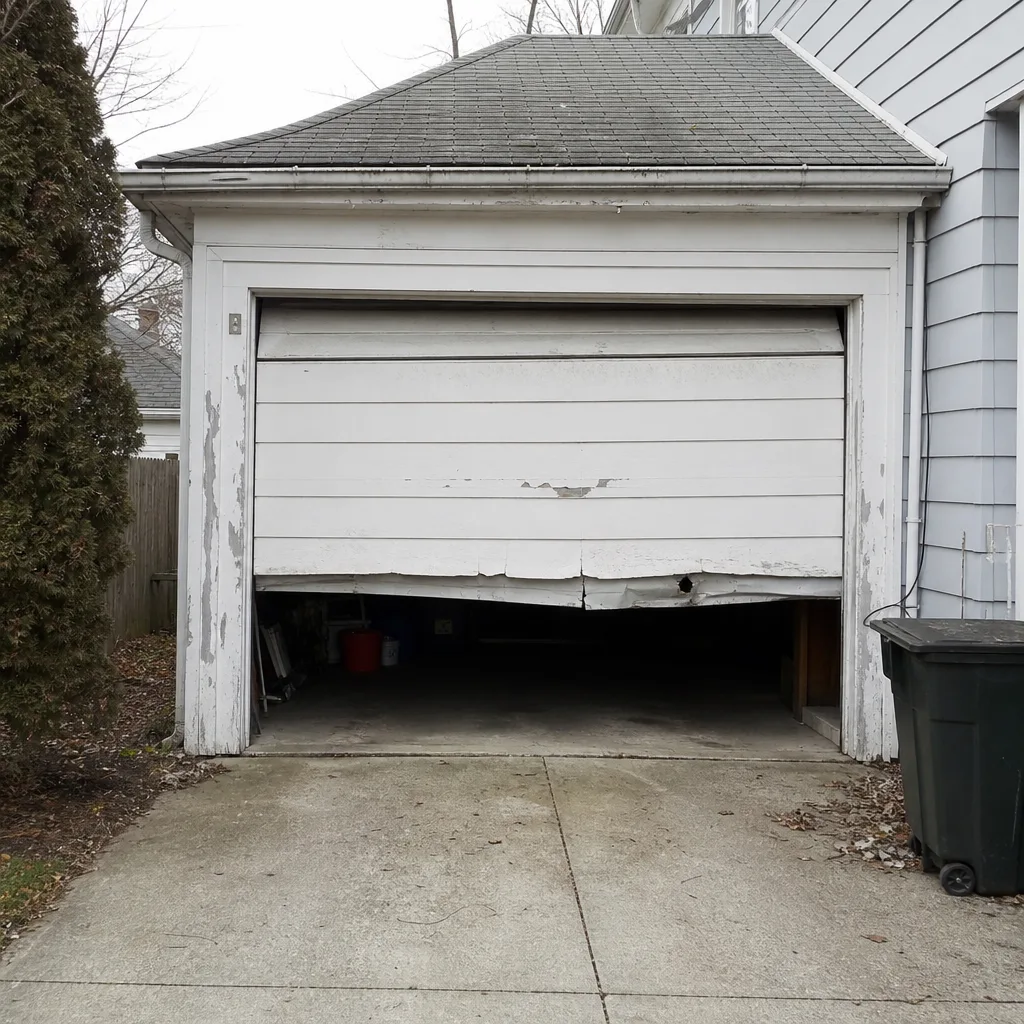 Before
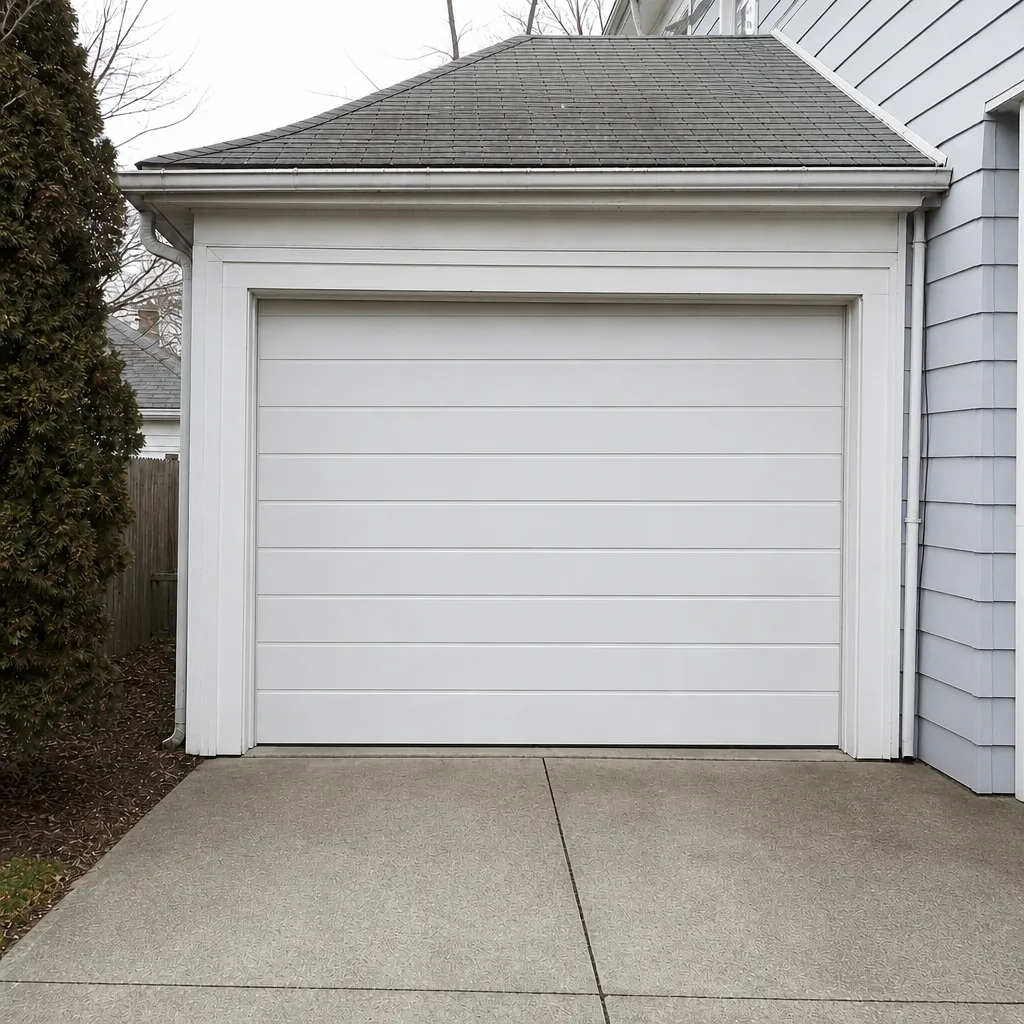 After
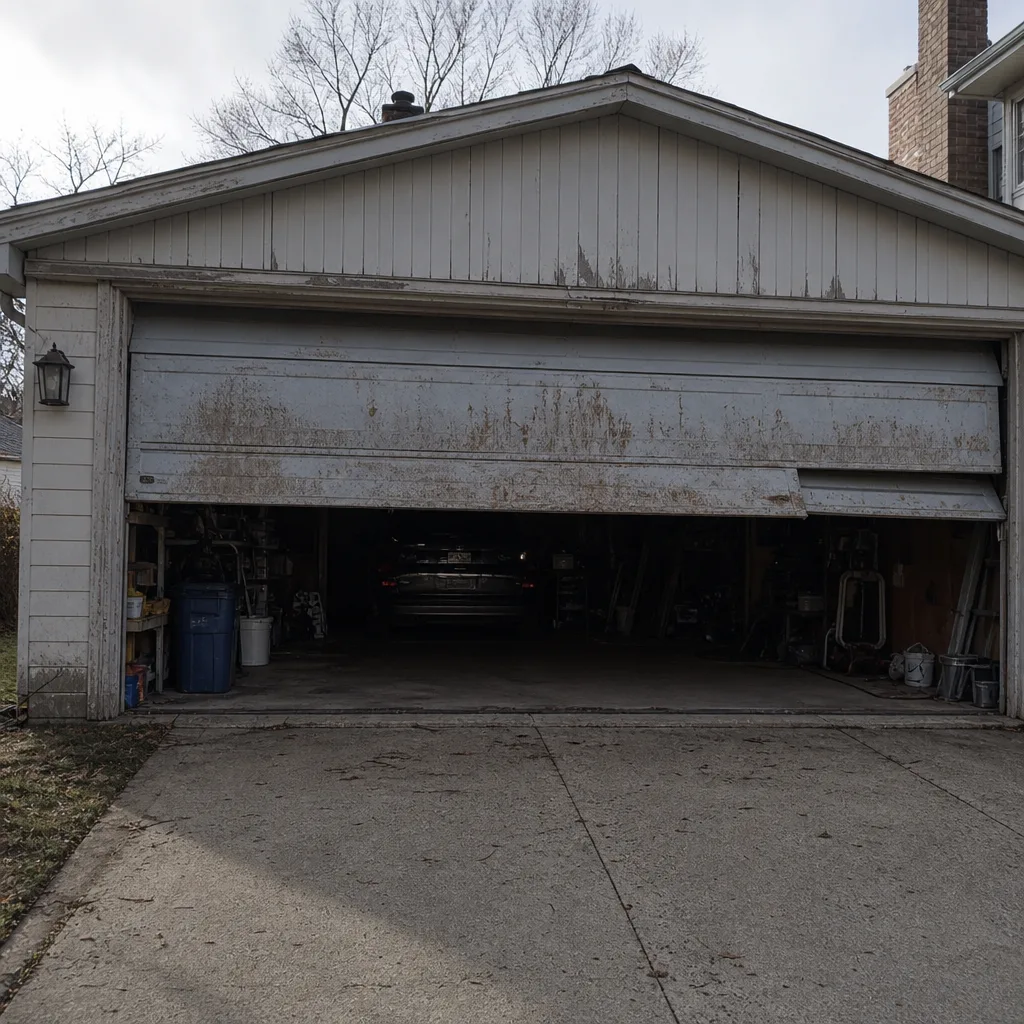 Before
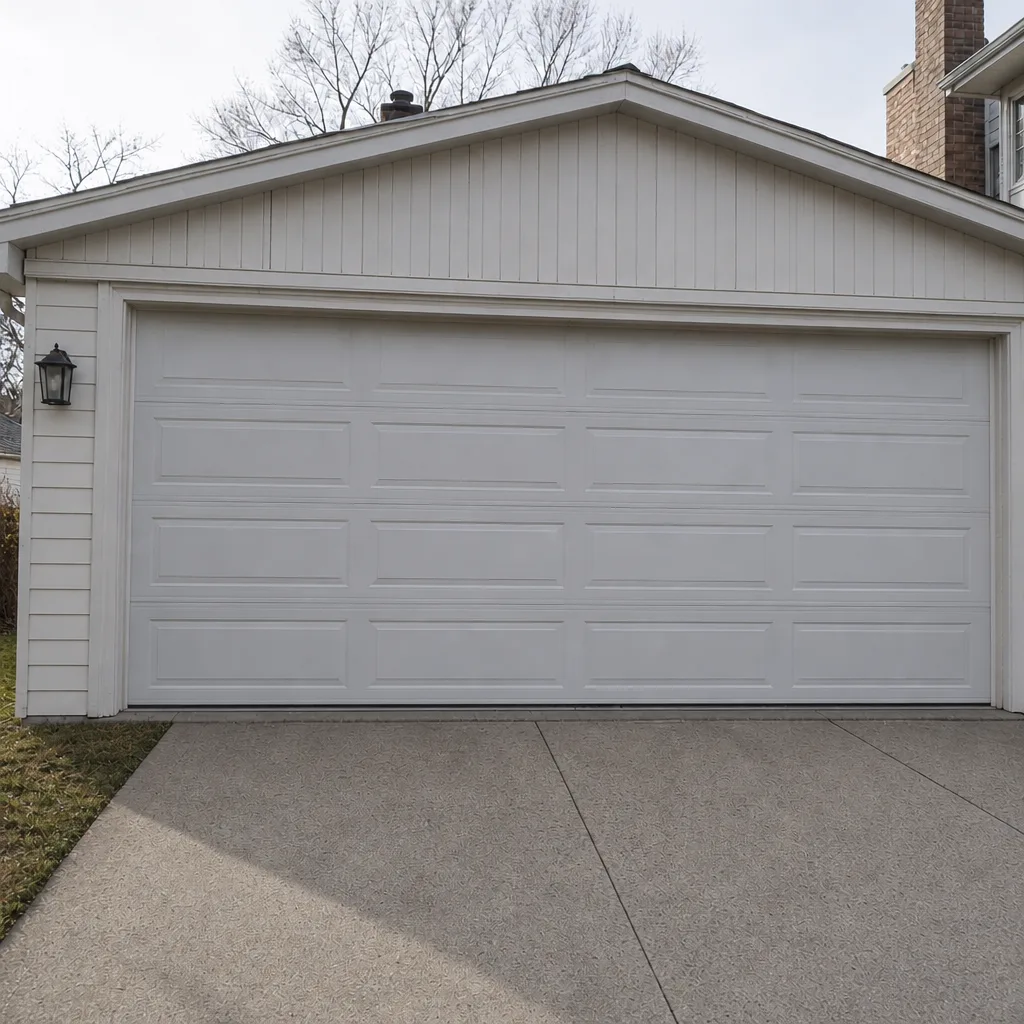 After
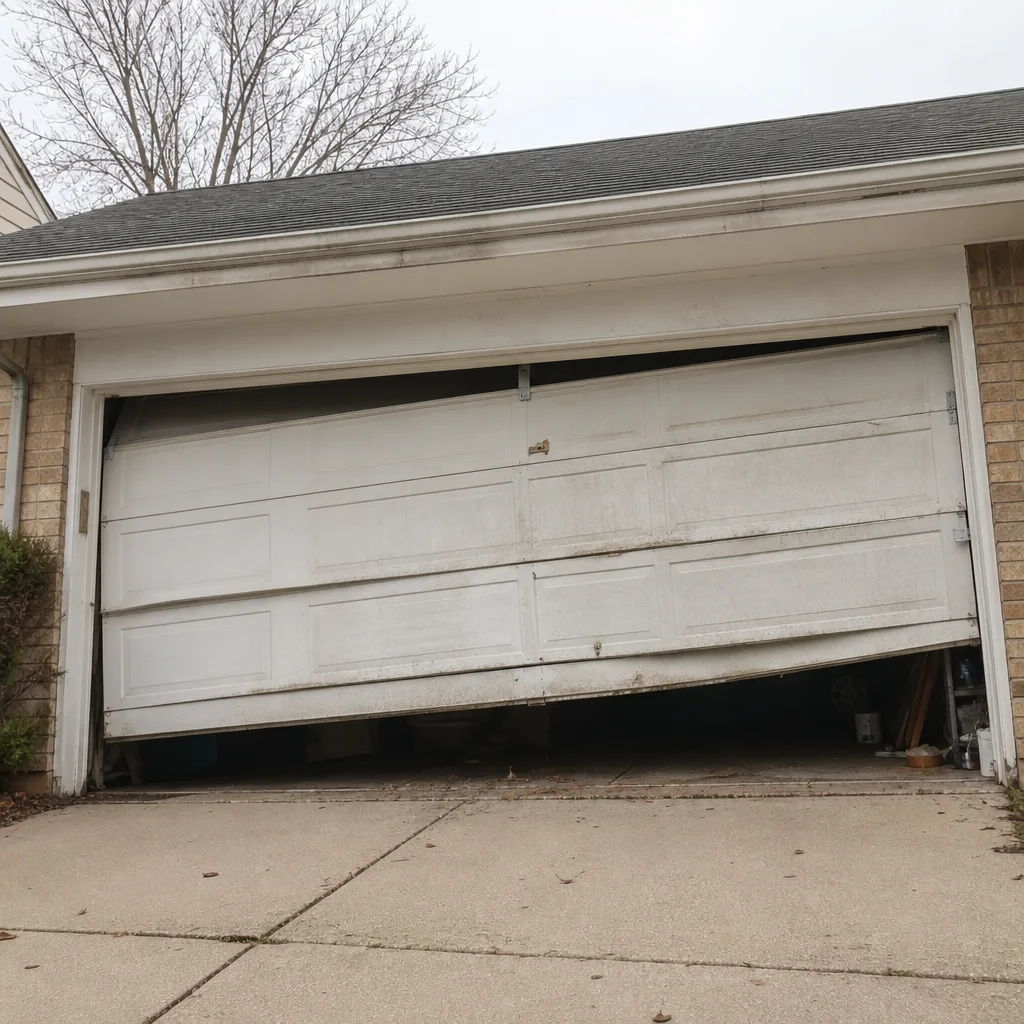 Before
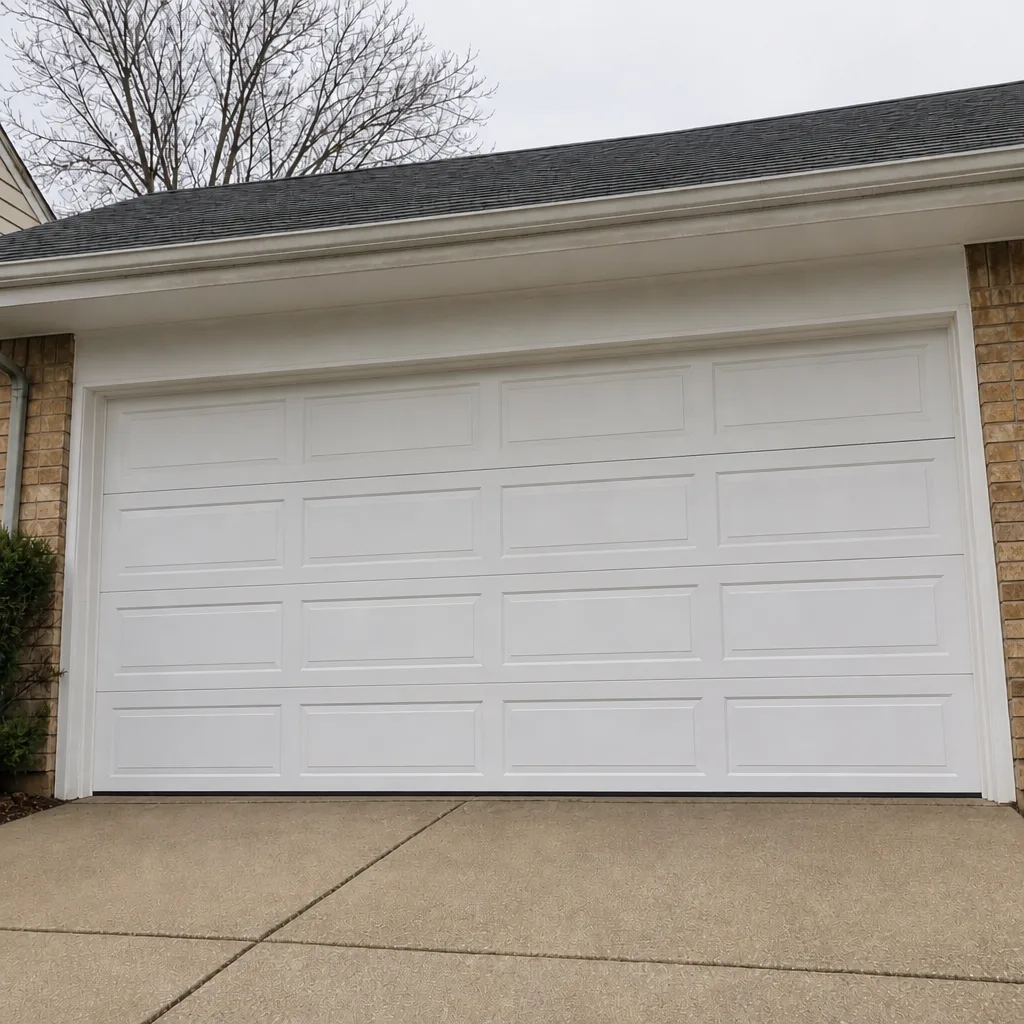 After
When to Call a Professional
Call a professional when the balance test shows more than 2 inches of drift in 30 seconds, when you can see a gap in a spring coil, when a cable has any broken strand, or when the safety reverse fails the 2×4 test. Call when a door is off its track, when the opener won’t respond, or when a door is stuck and a car is trapped. Also call when you’re not sure whether a problem is cosmetic or structural; a quick diagnosis is cheaper than a failed door later. Garage Door Repair Highland Park Pros offers free estimates in Highland Park. Call (866) 729-7583. We answer 24/7. Fast dispatch from 7am to 7pm, Sunday through Friday.
Frequently Asked Questions
Do the five-point visual check monthly and the full mechanical inspection once a year, ideally in the fall before the first freeze. Highland Park’s cold winters make fall timing the important part, since lubrication and spring condition determine how the door handles the season. If you’d rather have a specialist handle the annual pass, call (866) 729-7583 and we’ll get you on the schedule.
It means the springs have lost tension and the door is no longer safely balanced. That’s a signal to stop running the opener and get the springs checked, since a door that won’t hold position can come down on its own. Call (866) 729-7583 to have it looked at by a specialist.
Yes, lubricating the rollers, hinges, and pivot points is reasonable homeowner maintenance, using a product meant for garage door hardware. The task is one thing, but adjusting or repairing the springs themselves is not a DIY job and needs a trained technician. Call (866) 729-7583 if you’re unsure what to use or something feels wrong.
Any single broken wire strand, a kink, or a cable sitting off its drum groove means replacement, not adjustment. A cable that’s simply loose on a well-maintained door might be adjusted, but that call belongs to a professional who can inspect the drum and brackets. Call (866) 729-7583 for an assessment; estimates are free.
Repair is usually the sensible first step when the door’s structure is sound and one or two components have worn out, like springs, cables, or rollers. A door with significant panel damage or repeated failures after multiple repairs may be a replacement candidate, and we can show you both paths before you commit. Call (866) 729-7583 for a free estimate and an honest assessment of the right fix, not the most expensive one.
We work on the brand you already have, including LiftMaster, Chamberlain, Genie, Clopay, Amarr, Wayne Dalton, Craftsman, and Raynor. Our technicians have up to 13 years of experience across those lines, so you’re not starting from scratch when the problem isn’t a generic one. Call (866) 729-7583 and we’ll confirm what your system needs.
The Bottom Line
A maintenance checklist earns its keep when it tells you when to act, not just what to look at. Use these thresholds: more than 2 inches of balance drift in 30 seconds, any broken spring coil, any broken cable strand, and 1/4 inch of roller play. Do the five-point visual pass monthly and the mechanical inspection each fall, and get the lubricant right before the first freeze. When something fails a threshold, it’s a professional job, especially with springs and cables. Call Garage Door Repair Highland Park Pros at (866) 729-7583 for a free estimate. We answer 24/7. Fast dispatch from 7am to 7pm, Sunday through Friday.
Written by the team at Garage Door Repair Highland Park Pros.