
Last updated November 22, 2026
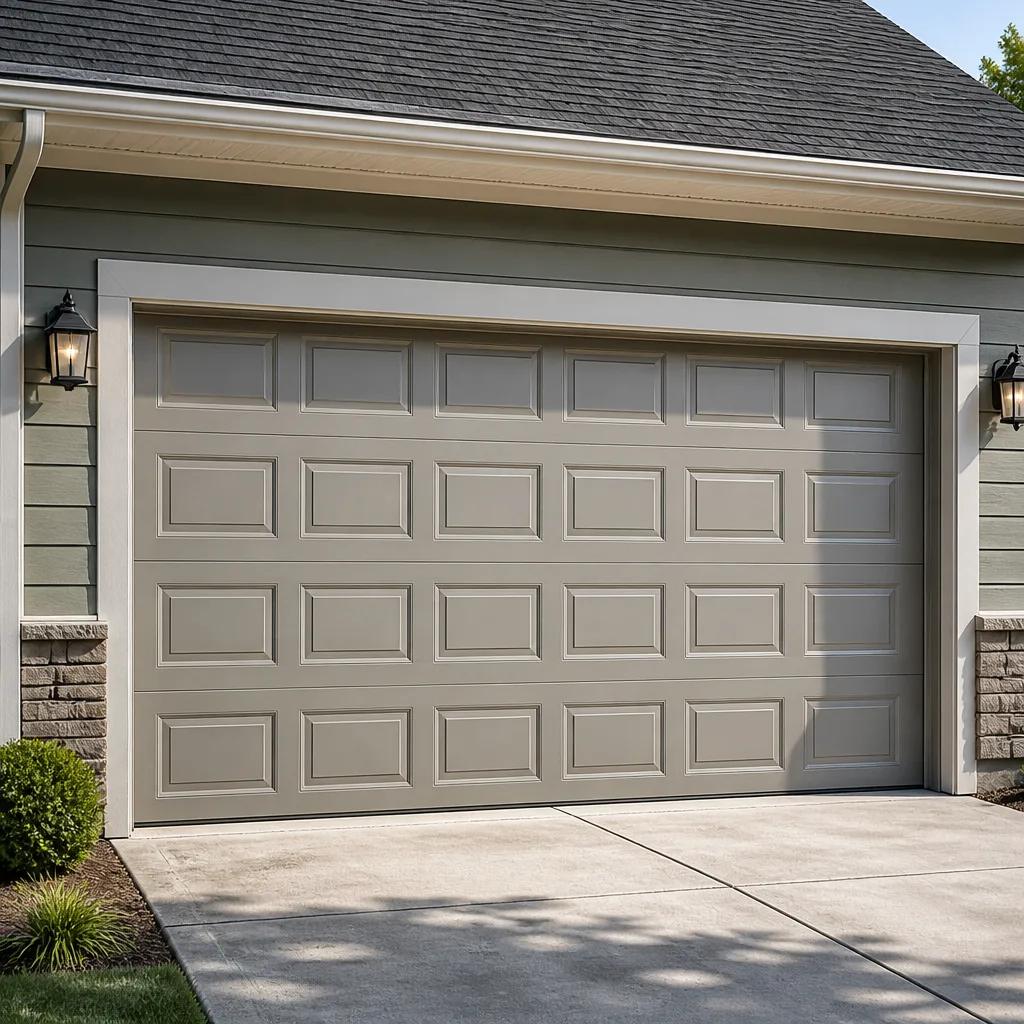 Raised-panel steel
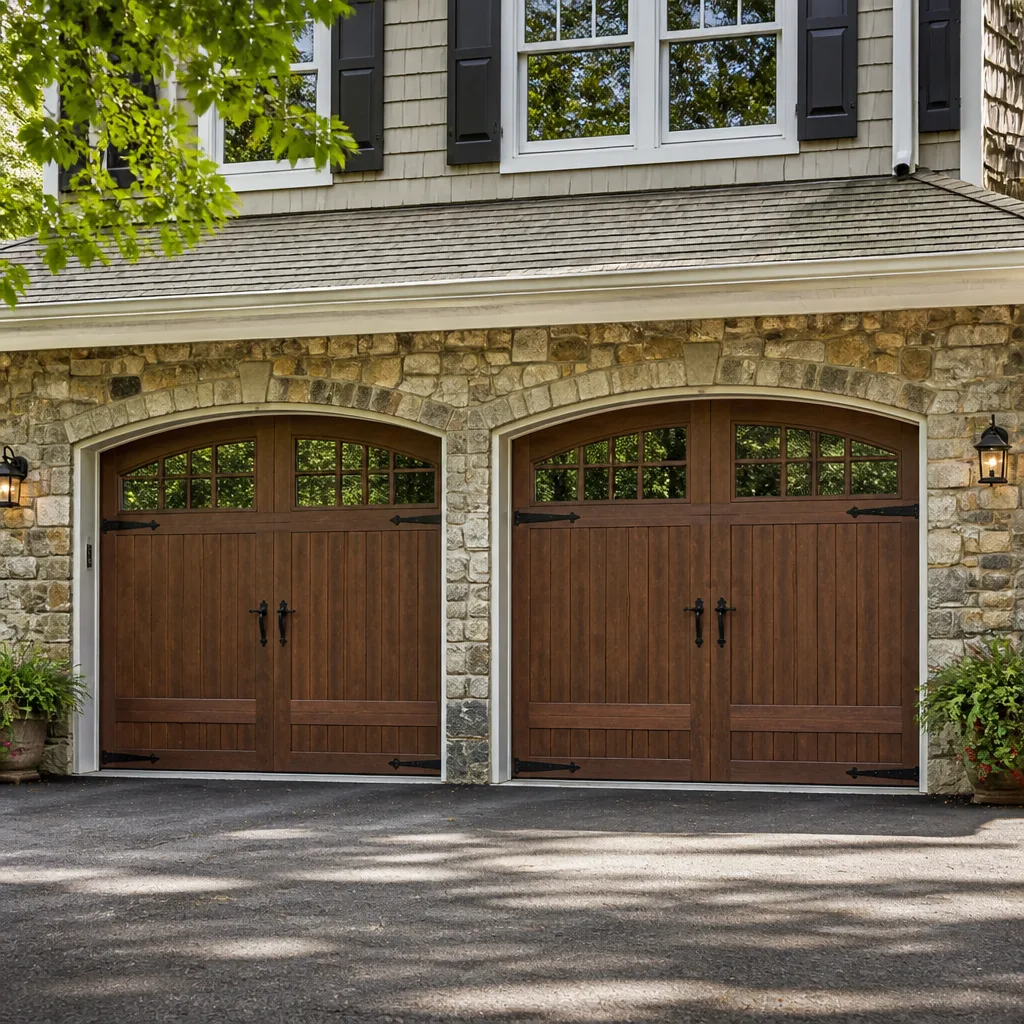 Carriage house
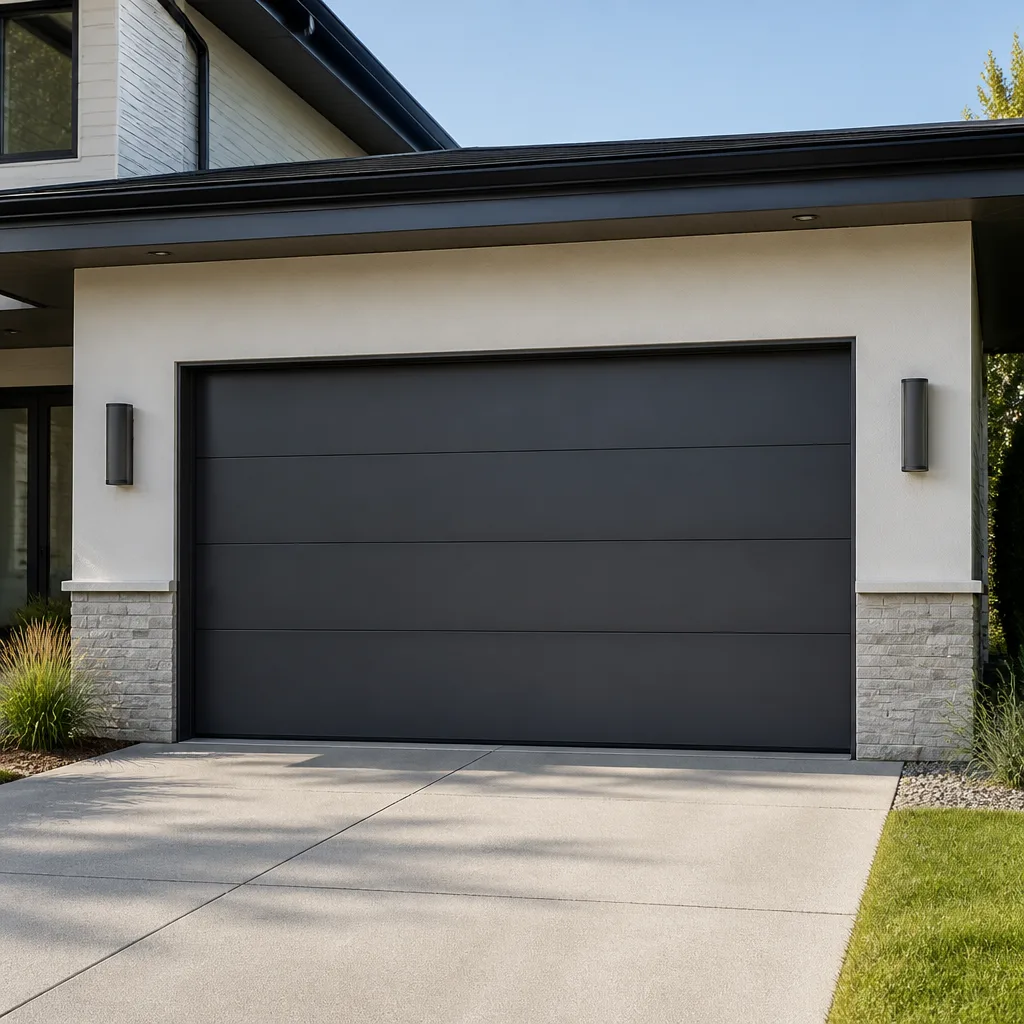 Modern flush
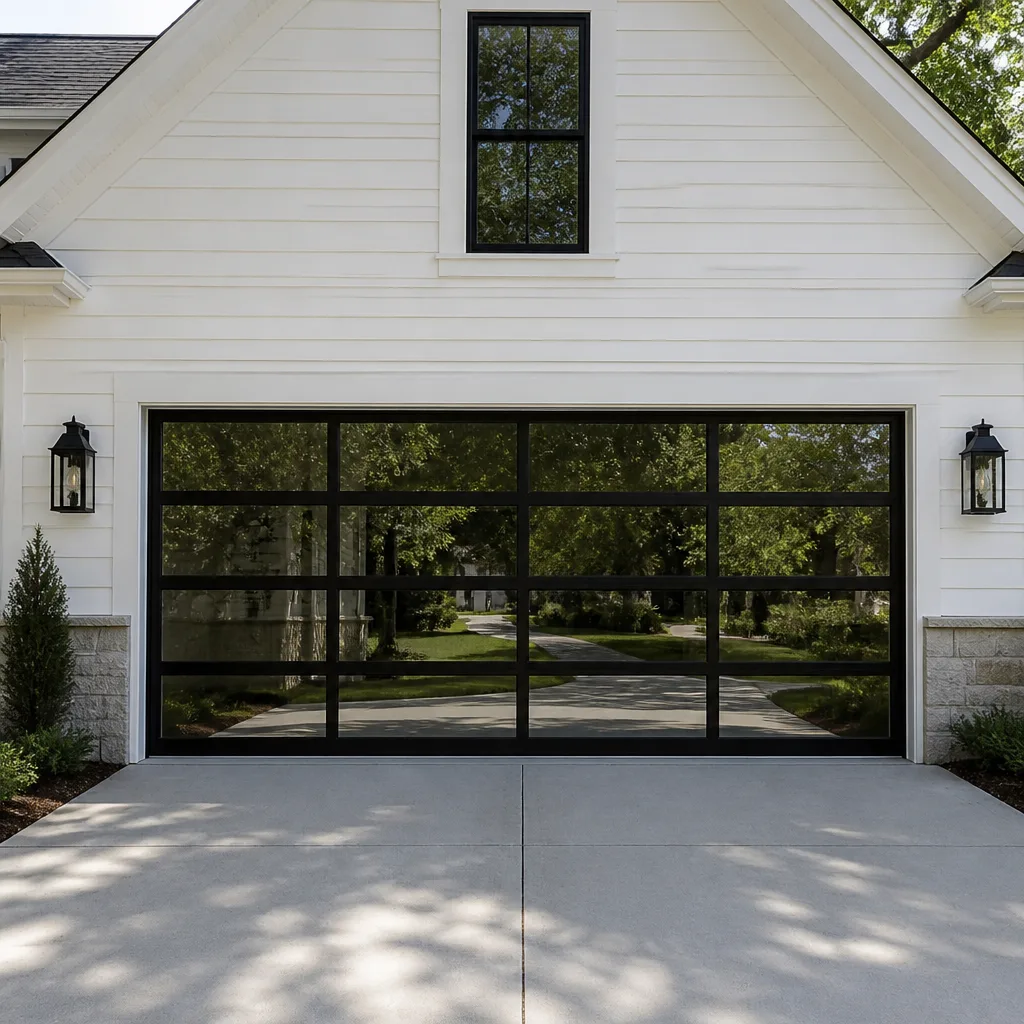 Full-view glass
 LiftMaster openers
 Chamberlain openers
Full 25-point door and opener safety check with every visit - springs, cables, rollers, tracks, and your LiftMaster or Chamberlain opener included
You get a price before we start. It does not change when the pro arrives.
Get your free estimateGarage Door Emergency Preparedness Guide for Highland Park Homes
Most garage door emergencies we’re called to in Highland Park don’t start with a broken spring. They start with a homeowner standing in a dark garage during a winter power outage, unable to find the manual release cord, pulling on the wrong part of the carriage, or forcing the door and bending a panel in the process. The door was fine. The preparation wasn’t. This guide is built around that gap. We’ll walk through the two categories every Highland Park garage door emergency falls into – mechanical failures that trap a car or block access, and power failures during North Shore ice and snow events that lock a home down without manual override knowledge – and give you the specific protocols for each before either one happens. You’ll learn how to release three common opener types, what to do the moment a spring breaks, how to secure a door that won’t close, and what belongs in a small emergency kit that can save you a service call.
Quick Answer
Garage door emergency preparedness in Highland Park means knowing three things before anything breaks: where your manual release cord is and how to work it, what to do – and not do – the moment a spring snaps, and how to secure a door that won’t close so the house isn’t left open. Mechanical failures call for a trained technician because torsion and extension springs sit under high tension. Power failures and dead openers can often be handled on your own with the right steps. When the door won’t move and you can’t safely resolve it, call (866) 729-7583; we answer 24/7 and dispatch from 7am to 7pm, Sunday through Friday.
Styles & brands we work with
- Raised-panel steel
- Carriage house
- Modern flush
- Full-view glass
- LiftMaster openers
- Chamberlain openers
Table of Contents
- Why Highland Park Homes Face Garage Door Emergencies Differently
- How to Operate the Manual Release on Your Opener
- What to Do When a Spring Breaks Mid-Operation
- How to Secure a Garage Door That Won’t Close
- Building an Emergency Garage Door Parts Kit
- When to Call Immediately vs. Wait Until Morning
- Power Outage Protocol for North Shore Winter Storms
- Preventive Checks for Highland Park Homeowners
Why Highland Park Homes Face Garage Door Emergencies Differently
Garage doors in Highland Park carry more load than doors in milder climates. The freeze-thaw cycles along the North Shore work on steel tracks, rollers, hinges, and torsion springs through every winter, and the temperature swings between a heated garage and a single-digit driveway ask the hardware to expand and contract in ways it doesn’t in warmer parts of the country. That’s a mechanical reality, and it’s the reason spring and track problems show up more often in the colder months.
The second factor is age and brand mix. Highland Park has a wide range of housing stock, and the doors attached to it are a broad spread: newer homes often carry Clopay or Amarr doors, mid-century properties frequently run Wayne Dalton or Craftsman openers, and plenty of homes have a mix of a newer door with a legacy opener still doing its job. That mix matters for emergency prep because how you release a door depends on what opener is attached to it – a chain-drive Craftsman from a previous decade doesn’t release the same way a newer LiftMaster belt drive does.
Third, the layout. A lot of Highland Park homes have attached garages that open straight into a mudroom, kitchen, or laundry area. When the door won’t close, the home isn’t just inconvenient – the living space is exposed. That raises the stakes on securing a door that fails at night, in a storm, or when you need to leave for work in the morning.
None of this is unique to one street or one neighborhood. It’s the general condition of garage door ownership in this part of the North Shore, and it’s why we treat preparation as its own discipline separate from repair. If you want a repair rather than a prep walkthrough, our garage door repair page covers the service side directly.
How to Operate the Manual Release on Your Opener
Your opener’s manual release is the single most important piece of emergency knowledge in your garage, and it’s the one most homeowners have never tested. It works whether the power is out, the opener has died, or the door is simply stuck. The good news: the procedure takes about ten seconds once you know which opener you have.
Step 1: Identify your opener type
Look up at the opener motor housing or at the rail running from the motor to the door. Chain-drive and belt-drive openers (the most common in Highland Park homes, including most LiftMaster and Chamberlain models) have a release cord, usually red, hanging from a carriage trolley on the rail. Screw-drive and some older Craftsman units use a similar cord pull but the carriage geometry is different. The cord is always your starting point.
Step 2: Confirm the door is fully closed
Never pull the release cord with the door partially open. The door will drop. If the door is up, close it with the wall control first, or – if the power is out – support the bottom panel with your body weight while a second person pulls the cord. The released door, on a balanced spring system, should stay roughly where you put it. A door that crashes down when released is out of balance and needs attention.
Step 3: Pull the release cord down and toward the door
The cord is on a lever. Pull it straight down toward the floor and slightly toward the door opening. You should hear and feel the carriage release from the trolley. The door is now disconnected from the opener and operates by hand.
Step 4: Lift the door manually
With the door released, lift the handle at the bottom section with a smooth, controlled pull. If it feels unusually heavy at any point, stop – that’s a sign of a spring or balance problem, and forcing it can damage the door or hurt you.
Step 5: Re-engage the carriage correctly
This is where most homeowners get stuck. To reconnect, close the door, then run the opener with the wall control in the down direction. Wait for the carriage to travel back toward the door and click into the trolley. On most openers you’ll hear a positive snap. If it doesn’t re-engage after a full cycle, don’t force it – call us and we’ll walk through it or send a technician.
If the opener itself is the problem rather than the power, our garage door opener repair page covers diagnosis and repair for the major brands.
What to Do When a Spring Breaks Mid-Operation
A spring break is unmistakable: a sharp bang, the door drops a few inches or falls fully, and the door suddenly feels like it weighs several hundred pounds. Torsion springs (the coiled springs above the door) and extension springs (the springs running above the horizontal tracks) both fail the same way in one respect – they release stored energy violently. That’s why spring work is safety-critical and why we treat it as a dedicated service rather than lumping it into general repair.
What to do when a spring breaks
- Stop. Don’t lift the door. With a broken spring, the door has lost its counterbalance. Lifting it can bring it down on you or back on the opener carriage and bind the cables.
- Clear the area. Keep kids, pets, and anyone else out of the garage until you’ve decided on next steps.
- Look, don’t touch. From a safe distance, note which spring broke and where. Don’t try to wind, unwind, cut, or remove any spring or cable.
- Leave the door in the closed position if possible. If the door fell open, leave it. A closed door keeps the home secure and gives the technician a safe starting point.
- If a car is trapped, plan a safe exit. In most cases we can walk a homeowner through getting the car out without worsening the cable situation, but call first – a cable that’s already binding can slice through a hand or damage the door further.
What not to do
Don’t disconnect the opener and try to lift the door by hand. Don’t try to prop the door open with a ladder or a piece of wood to “just get the car out.” Don’t operate the opener – the motor will pull the carriage against a door it can’t move and may strip the gears or burn out the unit. And don’t stand underneath a door with a broken spring, period.
For dedicated spring work on a door with a confirmed break, our garage door spring repair page is the place to start. A matched pair of springs is typically replaced together, and our technicians have up to 13 years of experience with torsion and extension systems.
How to Secure a Garage Door That Won’t Close
A door that won’t close leaves the home vulnerable, especially when your garage opens into living space. The fix depends on why the door is stuck. A broken spring, a power failure, or an obstructed safety sensor each call for a different approach, and all three can be solved temporarily without a service call.
If the opener has power but the door won’t close
- Check the safety sensors. The two small lenses near the bottom of the tracks on each side should have a solid light on each. A flickering or dark light means something is blocking the beam or the alignment is off.
- Clear any obstruction: a broom, a stack of boxes, a leaf, a snow shovel leaning in the beam path.
- Look at the tracks for a bent section or an object wedged between the door panel and the track.
- Test the wall control. If it clicks but the door doesn’t respond, the opener has an internal fault.
If the door is fully closed and you need to secure it temporarily
With the door down, engage the manual release so the door is disconnected from the opener, then use a C-clamp on the vertical track just above a roller on each side of the door. The clamp prevents the door from being lifted from outside. This is a temporary measure only – never a permanent lock.
If the door is open and won’t come down
Pull the release cord and lower the door by hand – never below the point where it becomes heavy or fast. Once it’s closed, clamp the tracks as described. If the door is too heavy to lower safely, or if it won’t stay down, call us. A door braced open overnight during a cold snap can be worse in the morning, and a bent track from a forced descent is a bigger repair than the original problem.
If a car is parked inside
If you need to get the car out while the door is secured, use the pedestrian door (if you have one) or pull the car out before clamping. Don’t leave the door open longer than necessary to get the vehicle clear.
Building an Emergency Garage Door Parts Kit
A small, well-chosen kit can get a stuck door working temporarily, or hold the line until a technician arrives. The two spare components worth keeping on hand are the ones that fail most often in cold weather: a spare set of rollers, and a spare safety sensor. Neither is expensive, both are easy to store, and both solve predictable failures.
What to keep in the kit
- A spare set of nylon rollers. Rollers seize or crack in cold weather. A fresh set lets a technician (or a confident homeowner) swap a failing roller before the door binds.
- A replacement safety sensor pair. The most common cause of “the door won’t close” is a failed sensor. A spare pair, matched to your opener brand, gets the door closing again.
- A pair of C-clamps. For clamping the tracks and securing a door that won’t stay down.
- A flashlight and fresh batteries. Stored on the wall near the pedestrian door, not inside the garage where you can’t reach it with the power out.
- A note with your opener brand and model. If you own a LiftMaster, Chamberlain, Genie, Craftsman, or any of the others we service, knowing the model speeds up every call.
What not to keep in the kit
Skip anything spring-related. You should not have spare torsion springs, winding bars, or cable hardware on hand for DIY use. Those components are under extreme tension and belong in a trained technician’s hands, not a homeowner’s kit.
When to Call Immediately vs. Wait Until Morning
Not every garage door problem is a call-right-now problem, and knowing which is which saves you a night of worry or a needless call. The triage framework below is what we use when a homeowner calls and wants to know whether they can wait. It comes down to three things: what broke, what the garage connects to, and whether anyone is at risk.
Call immediately if:
- A spring has broken. The door is now unsecured and lifting it can cause injury.
- The door is off its tracks, hanging, or partially fallen.
- A cable has snapped or is hanging loose.
- The garage is your only entry to the home and the door won’t open.
- A car is trapped and you need it out for work or an emergency.
- You smell burning from the opener motor, or the opener sparks when you press the wall control.
It’s usually safe to wait until the next dispatch window if:
- The opener is dead but the door is closed and the home is secure.
- A sensor is misaligned and the door still closes when you hold the wall control down.
- A single roller is noisy but the door still opens and closes.
- The remote doesn’t work but the wall control does (often a battery or sync issue).
When you call on a Sunday or early Monday, we answer 24/7 and dispatch from 7am to 7pm, Sunday through Friday. A call outside dispatch hours is booked into the next opening. Prices are quoted and agreed before any work starts. Estimates are free.
Power Outage Protocol for North Shore Winter Storms
Power failures during winter storms are the second category of Highland Park garage door emergency, and they behave differently from mechanical failures. Nothing is broken – the door simply can’t respond to the opener. Handled well, a power outage is a ten-second problem. Handled badly, it becomes a bent panel, a trapped car, or a home left open on the coldest night of the year.
Before the storm
- Locate the release cord on your opener and confirm you can reach it without a ladder.
- Test the release once. Pull it, lift the door by hand, then re-engage the carriage by running the opener. If you’ve never done this, do it now – not at 2am on a night the power is out.
- Confirm the door operates manually with reasonable effort. If it’s heavy, the springs are out of balance and you should book a service call before the next storm.
- Keep a flashlight and a note with the opener model in a spot you can reach from the pedestrian door.
During the outage
- Confirm the door is fully closed.
- Pull the release cord down and toward the door.
- Lift the door by hand if you need to get a car out.
- Lower the door carefully and re-engage the carriage when you’re done.
- Clamp the tracks if you’re going to sleep with the garage facing the street.
What we see most often
The most common outage-related repair we get called for is a door that was forced or left propped open. The manual release works on every opener brand we service – LiftMaster, Chamberlain, Genie, Craftsman, and the rest – and it works the same way whether the power has been out for ten minutes or two days. There’s no reason to force a door in an outage, and forcing it is what causes the expensive repairs.
Preventive Checks for Highland Park Homeowners
Most emergency calls we get in Highland Park are preceded by symptoms the homeowner could have caught with a monthly walk-around. None of these checks take more than five minutes, and none require tools beyond a flashlight and your own ears.
Monthly checks
- Balance test. Close the door, pull the release cord, lift the door halfway, and let go. A balanced door stays put. A door that drops has a spring problem developing.
- Listen for the opener. Grinding, rattling, or a sudden change in sound usually means a worn gear, a dry screw drive, or a failing bearing.
- Check the sensors. Both lenses should have a solid light. Any flicker means a misalignment or an obstruction.
- Inspect the rollers and hinges. Look for cracks in nylon rollers and loose hinges. Cold weather accelerates both.
- Test the release cord. Pull it, re-engage it, and confirm the carriage clicks back into the trolley.
Seasonal checks
In late fall, before the first hard freeze, test the door’s manual operation and clear the tracks of debris. If your door is a Clopay or Amarr and you’re not certain of its age, a technician can inspect the springs and tell you what’s on borrowed time. If you’re running a Wayne Dalton or Craftsman opener that predates the current decade, a preventive inspection is worth more than a new remote.
We service what you already own across all eight major brands – LiftMaster, Chamberlain, Genie, Clopay, Amarr, Wayne Dalton, Craftsman, and Raynor – so a check-up on an older system doesn’t mean a sales pitch for a replacement. It means the right fix, not the most expensive one. For a starting point, our Garage Door Repair Highland Park Pros page covers the full range of what we handle.
Common Mistakes to Avoid
- Trying to lift a door with a broken spring. Without counterbalance, the door weighs enough to cause serious injury. Leave it down and call.
- Pulling the manual release with the door partially open. The door can drop fast. Always confirm the door is fully closed before pulling the cord.
- Forcing a door that’s stuck on an obstruction. Pushing past a bent track or a jammed roller bends panels and strips opener gears. Stop, diagnose, then move.
- Ignoring a car trapped in the garage during an outage for hours. The manual release works on every opener, and pulling it takes ten seconds. Learn the procedure before you need it.
- Using a broom handle to “help” the door close in cold weather. That’s a symptom of a failing spring or a stiff roller, and it covers the problem until the door fails fully.
- Running the opener against a door that won’t move. The motor pulls against a stuck carriage and can strip the drive gear or burn out the unit. If the door doesn’t move, stop pressing the button.
- Storing spare torsion springs or winding bars for DIY use. Springs are under extreme tension and require trained handling. That’s not a homeowner kit item.
- Skipping the fall check-up. Highland Park’s freeze-thaw cycles are hard on springs and tracks. A five-minute check in October prevents most of the emergencies we see in January.
See the difference
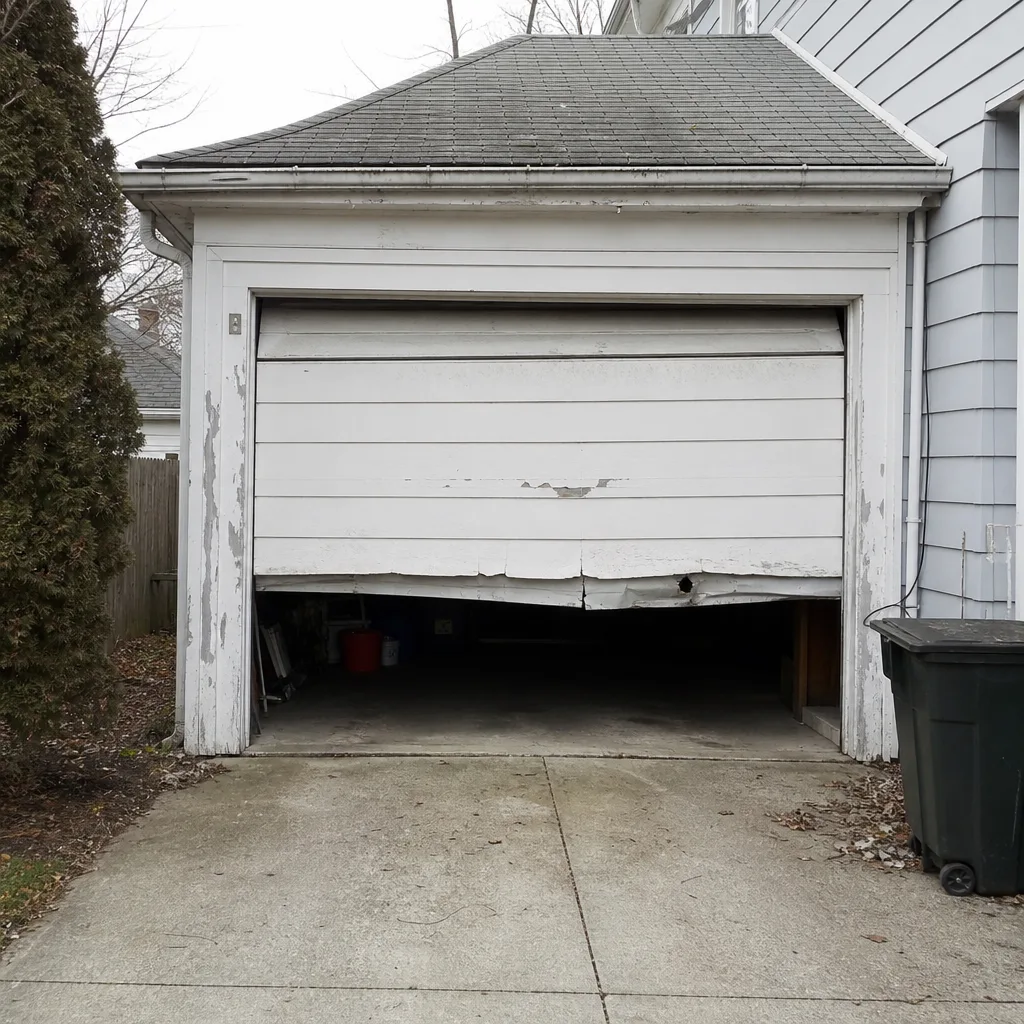 Before
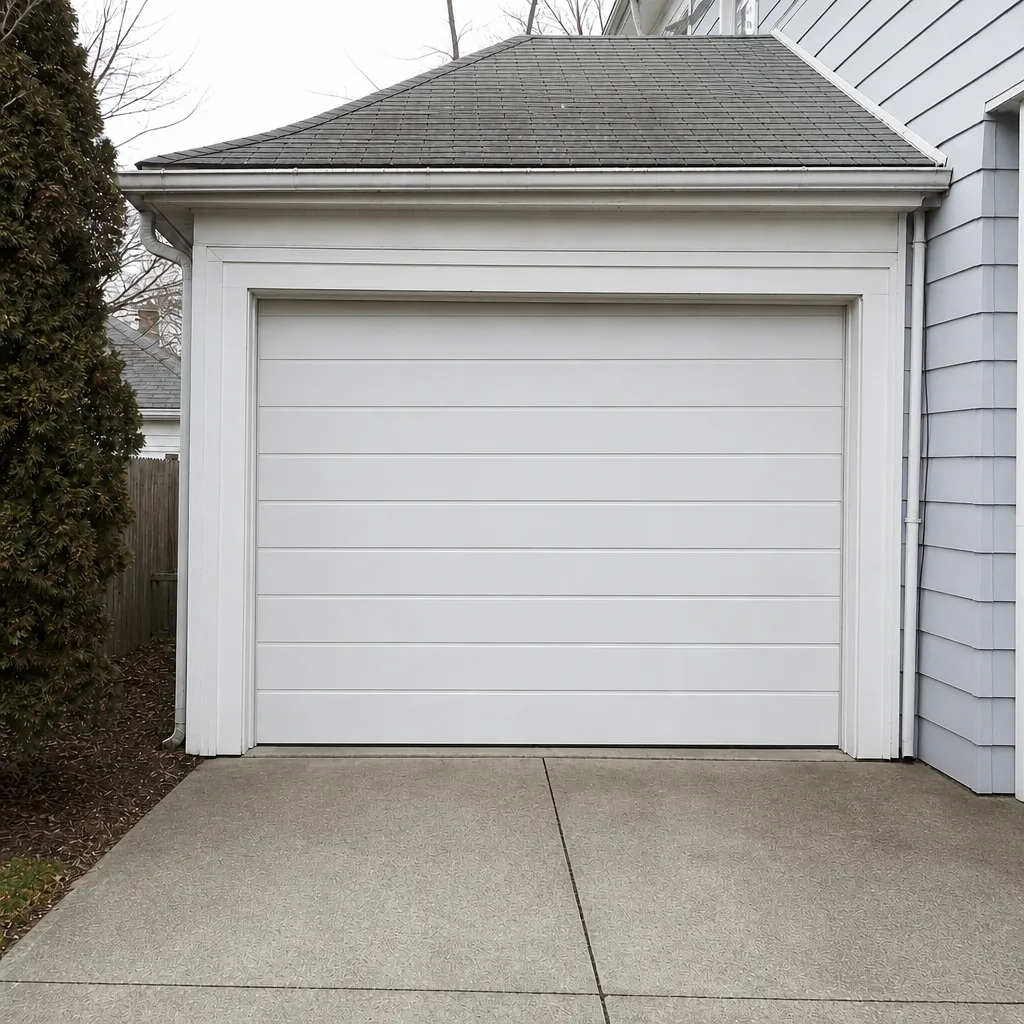 After
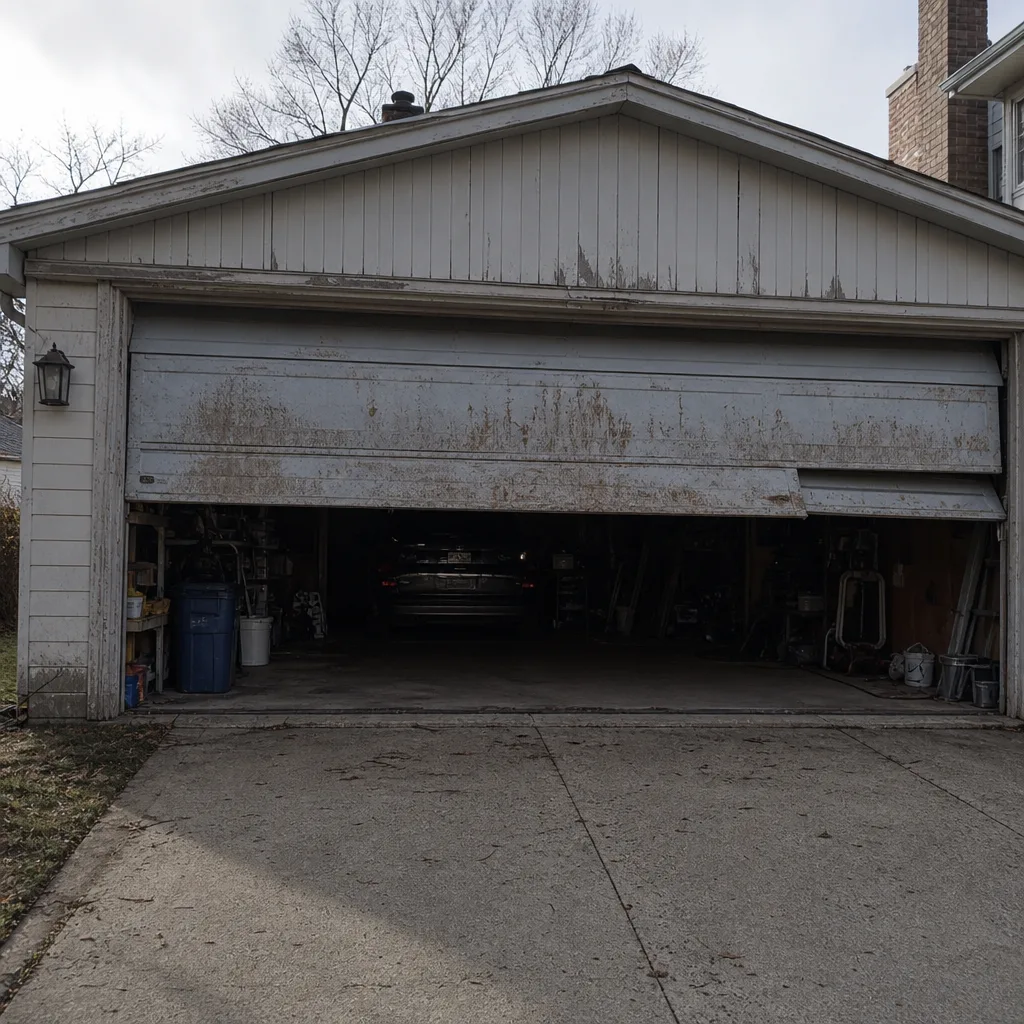 Before
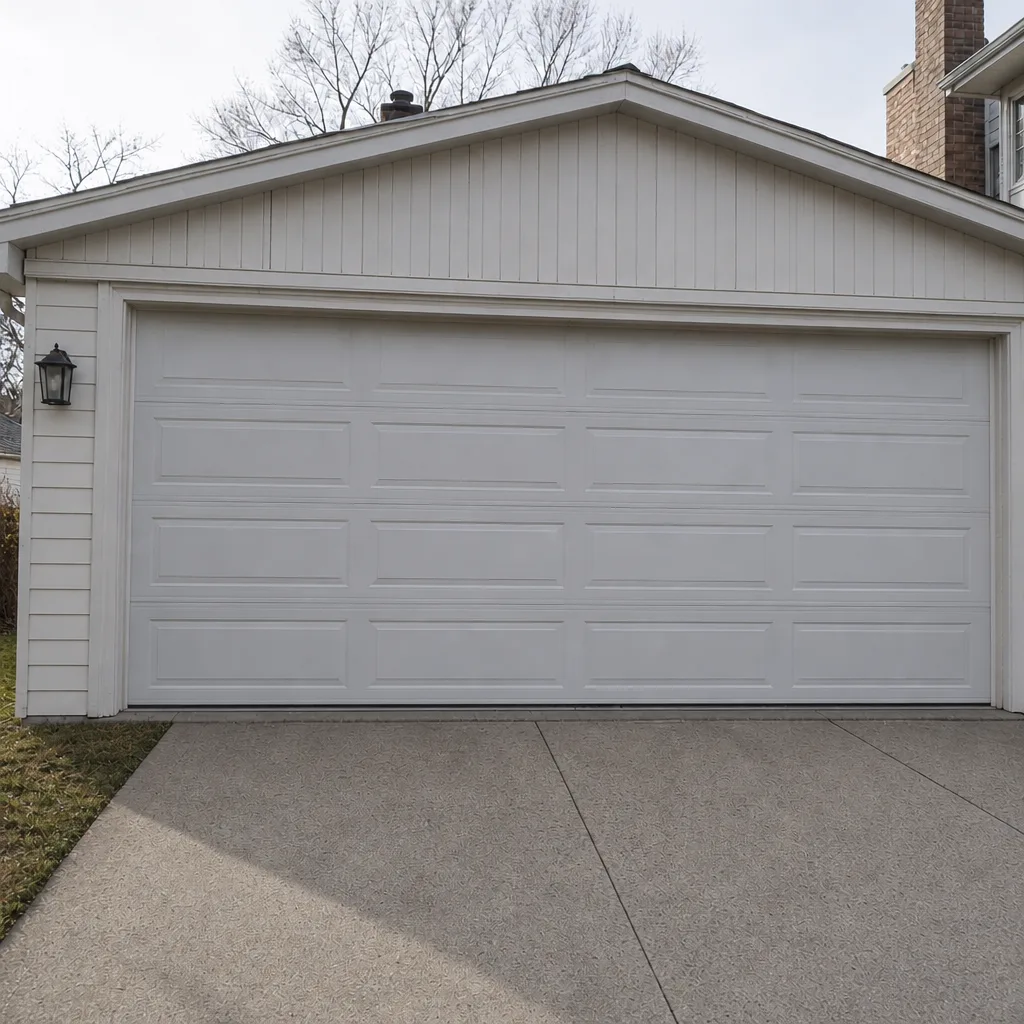 After
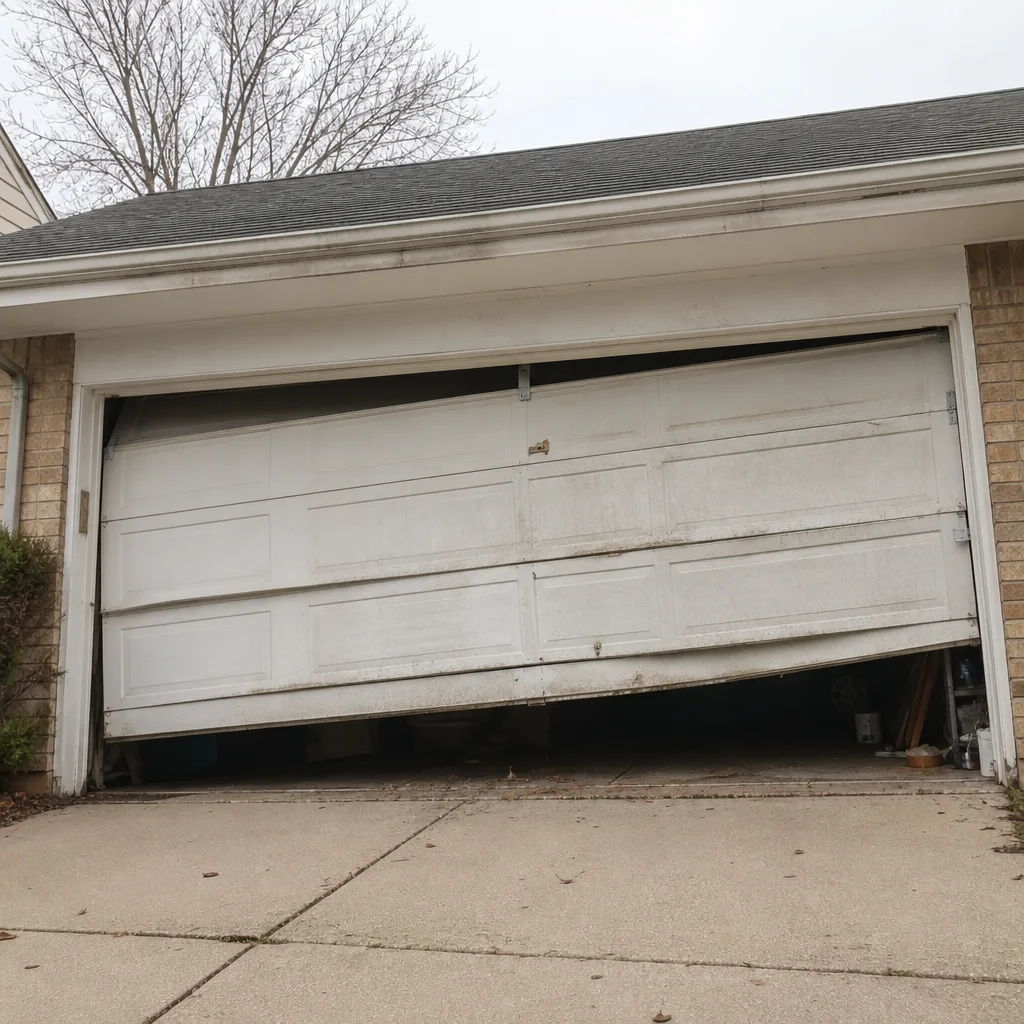 Before
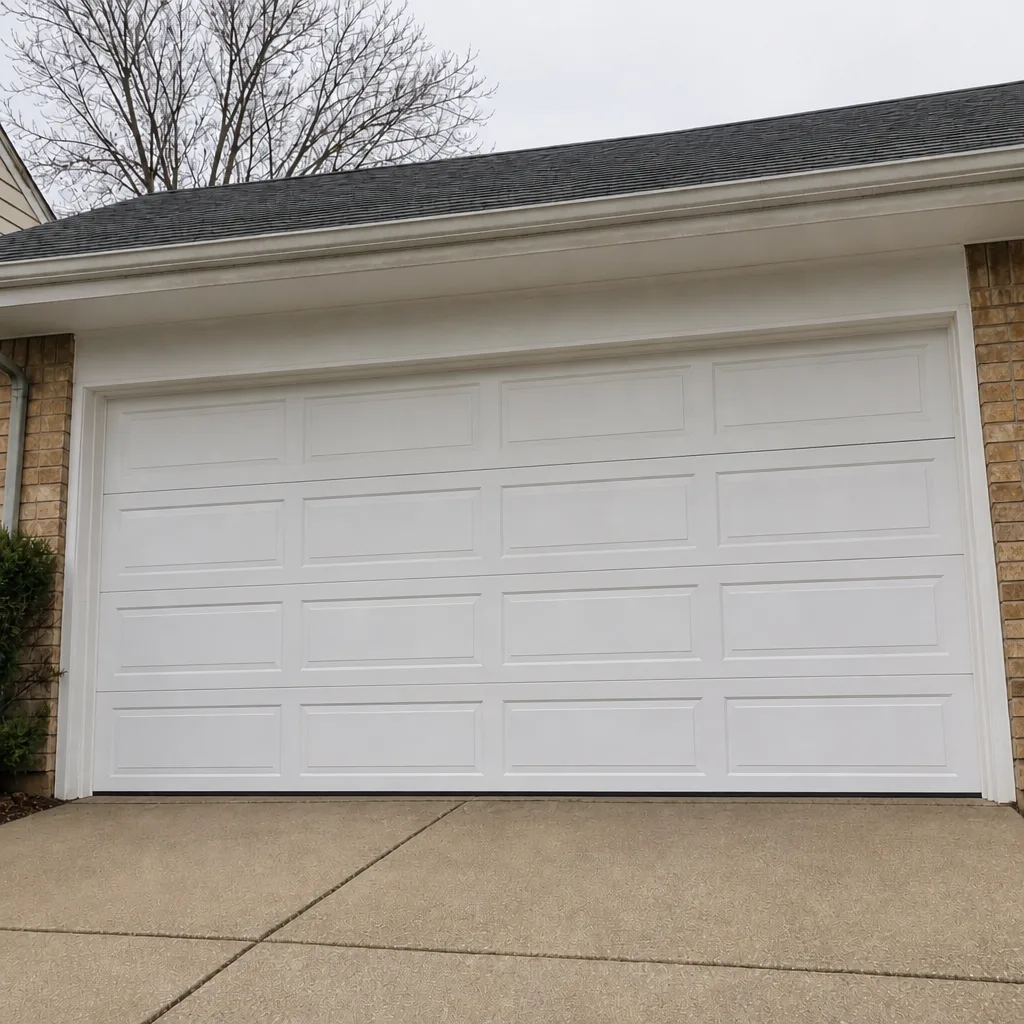 After
When to Call a Professional
Call a professional the moment a spring breaks, a cable snaps, the door is off its tracks, or the opener sparks or smells like it’s burning. Call us, too, if the garage is your only way in or out of the home and the door won’t move. Those situations can get worse fast, and a trained technician can assess them in minutes. Spring work especially belongs with a specialist – torsion and extension springs are under high tension, and the repair is not a DIY task. Our technicians have up to 13 years of experience with torsion and extension systems across all eight major brands. Garage Door Repair Highland Park Pros offers free estimates in Highland Park – call (866) 729-7583. We answer 24/7. Fast dispatch from 7am to 7pm, Sunday through Friday. The price is quoted and agreed before any work starts.
Frequently Asked Questions
Confirm the door is fully closed, then pull the red release cord hanging from the opener’s carriage straight down and toward the door. The carriage will disconnect from the trolley and the door will operate by hand. When power returns, close the door and run the opener in the down direction to re-engage the carriage. If it doesn’t click in after one full cycle, call (866) 729-7583 – estimates are free.
Stop and don’t lift the door. A door with a broken spring has lost its counterbalance and can come down on you. Keep everyone out of the garage, leave the door down, and don’t run the opener. Call us and we’ll talk through the safest next step, including how to get a car out without worsening a binding cable.
No. Torsion and extension springs are under high tension, and DIY work with them causes serious injuries every year. Both types require trained handling, proper tools, and a safe winding procedure. Spring repair is a dedicated, safety-critical service and should be done by a technician who works on springs regularly.
First check the safety sensors and clear any obstruction in the beam path. If the door still won’t close, pull the release cord to disconnect the opener, lower the door by hand, and use a C-clamp on each vertical track just above a roller to keep the door from being lifted. That’s a temporary measure – call us the next morning. If the door is too heavy to lower safely, call (866) 729-7583 and we’ll dispatch a technician.
We do same-day repair when the schedule allows, and emergency work is a core service rather than an upsell. We answer 24/7 and dispatch from 7am to 7pm, Sunday through Friday. Call (866) 729-7583 for the fastest response.
No. The written estimate sets the price, and it’s agreed before any work begins. We quote free, and you’ll know the cost before a technician starts. If the diagnosis turns up something else, we’ll tell you before we do anything about it. Call (866) 729-7583 for an exact quote.
The Bottom Line
Garage door emergencies in Highland Park come in two flavors – broken parts and dead power – and each has its own protocol. Mechanical failures like a snapped spring, a door off its tracks, or a broken cable need a trained technician, and the safest thing you can do is stop, keep everyone clear, and call. Power failures and dead openers usually resolve with the manual release you should have tested months ago. Secure the door with C-clamps if it won’t stay down, keep a small kit with spare rollers and a sensor on hand, and run the monthly balance and sensor checks. Preparation is the difference between a ten-second fix and a costly repair.
Call (866) 729-7583 for a free estimate. We work on the brand you already have, from opener diagnostics to full door installation, and when the door won’t move, we move fast.
Written by the team at Garage Door Repair Highland Park Pros.