
Last updated November 22, 2026
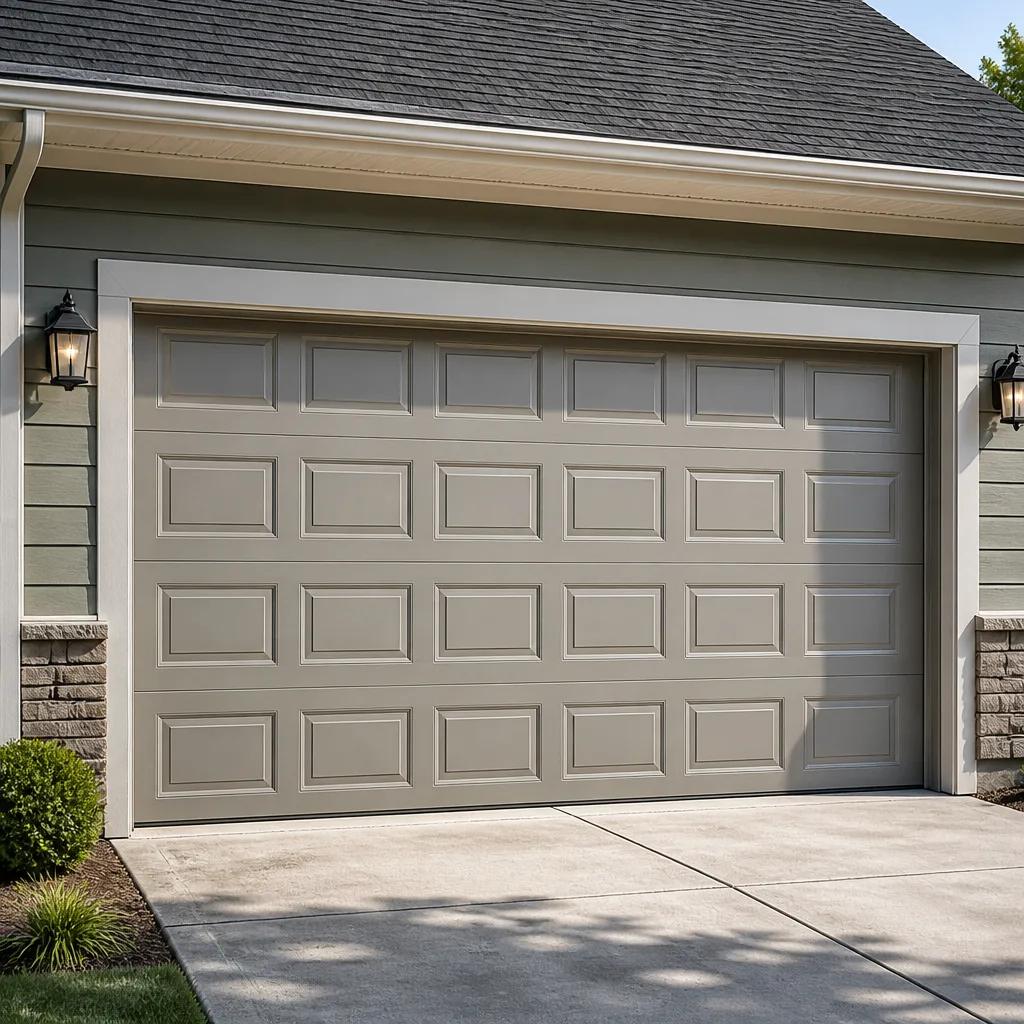 Raised-panel steel
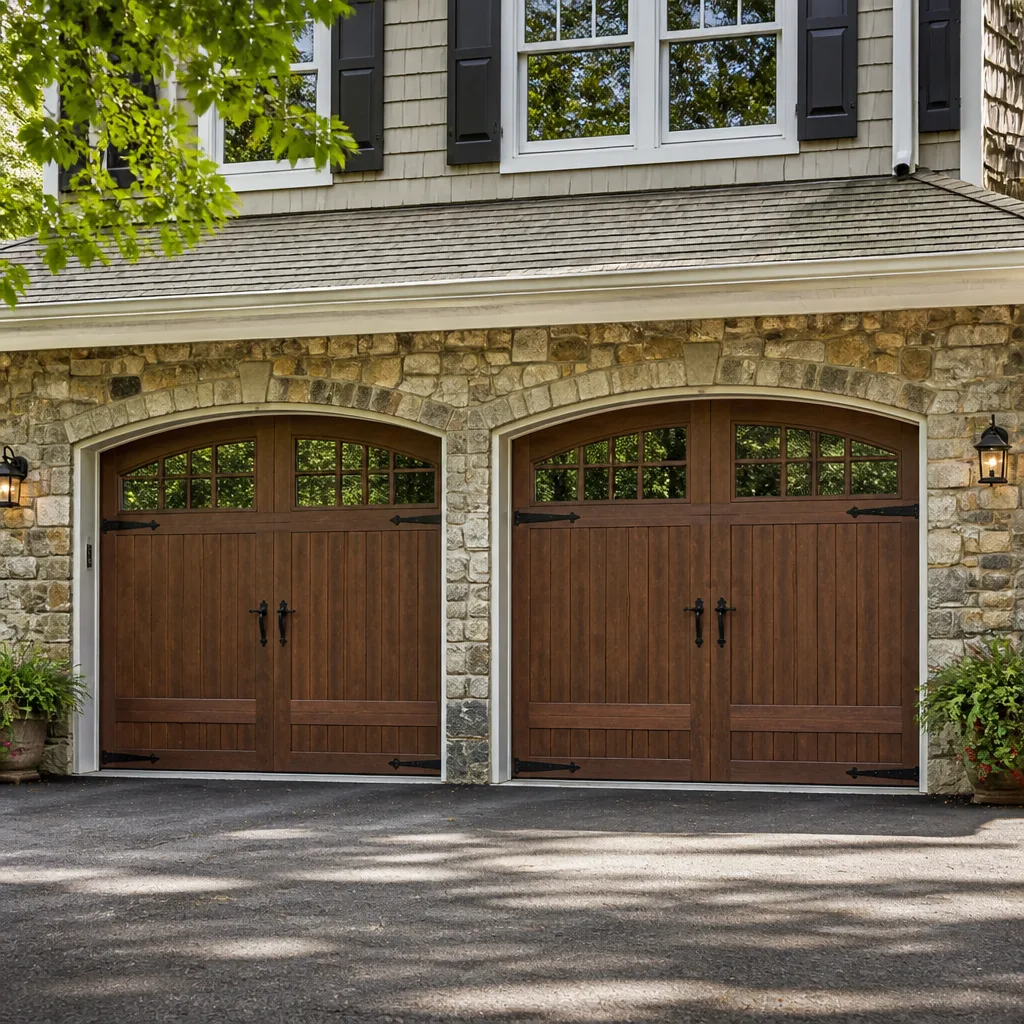 Carriage house
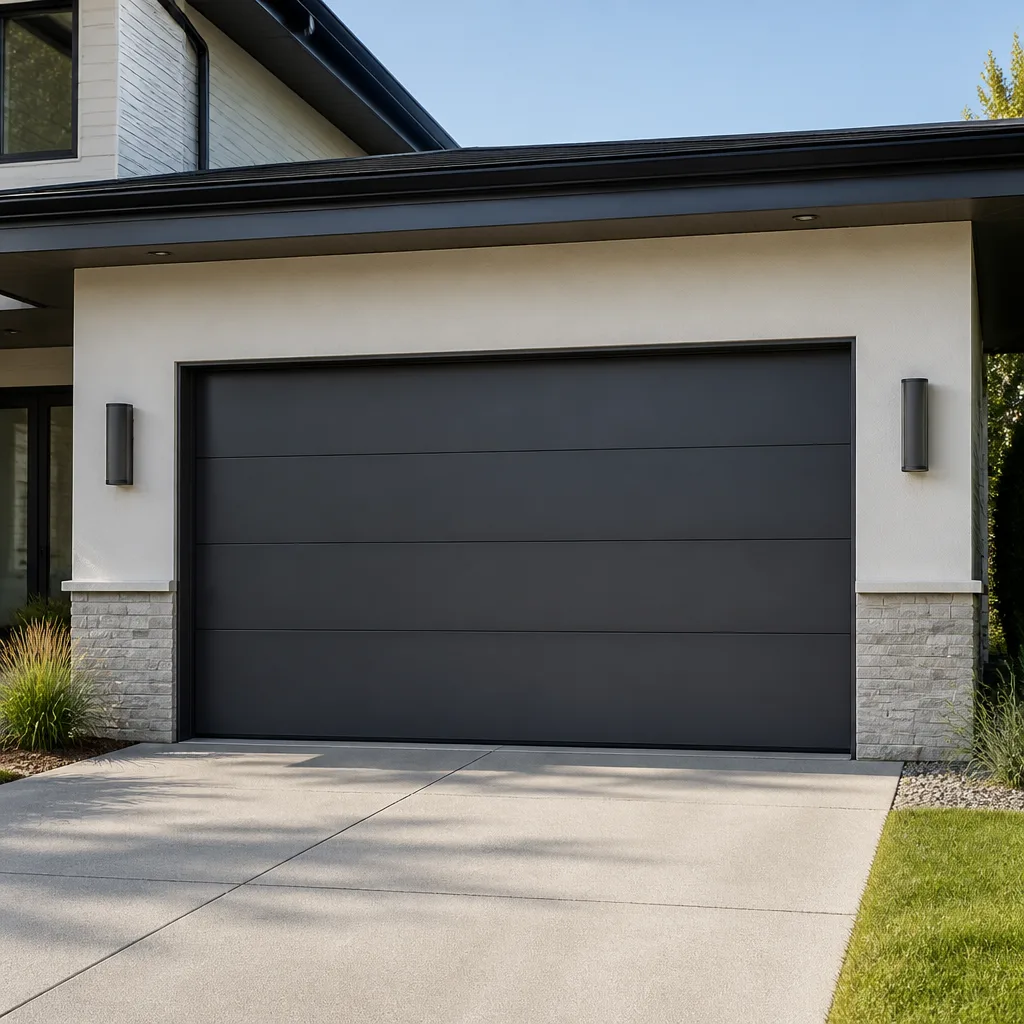 Modern flush
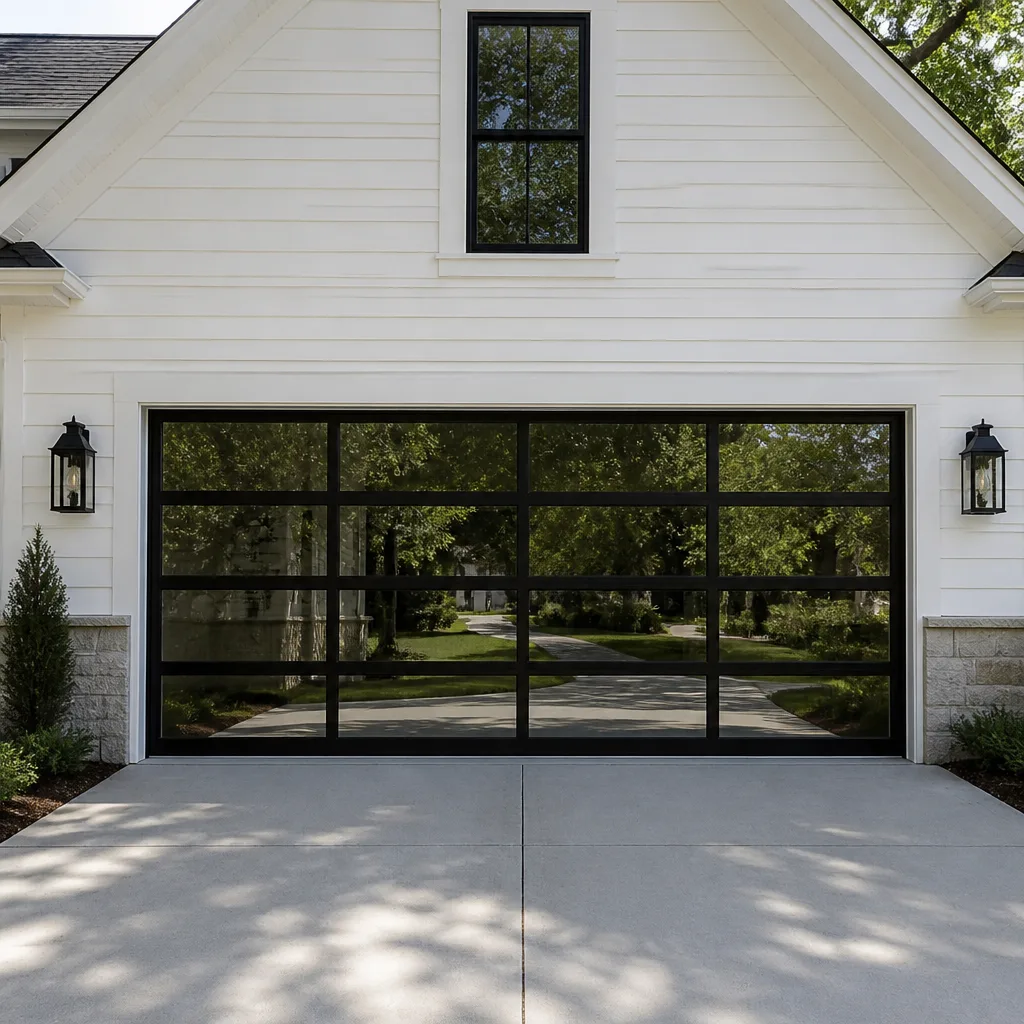 Full-view glass
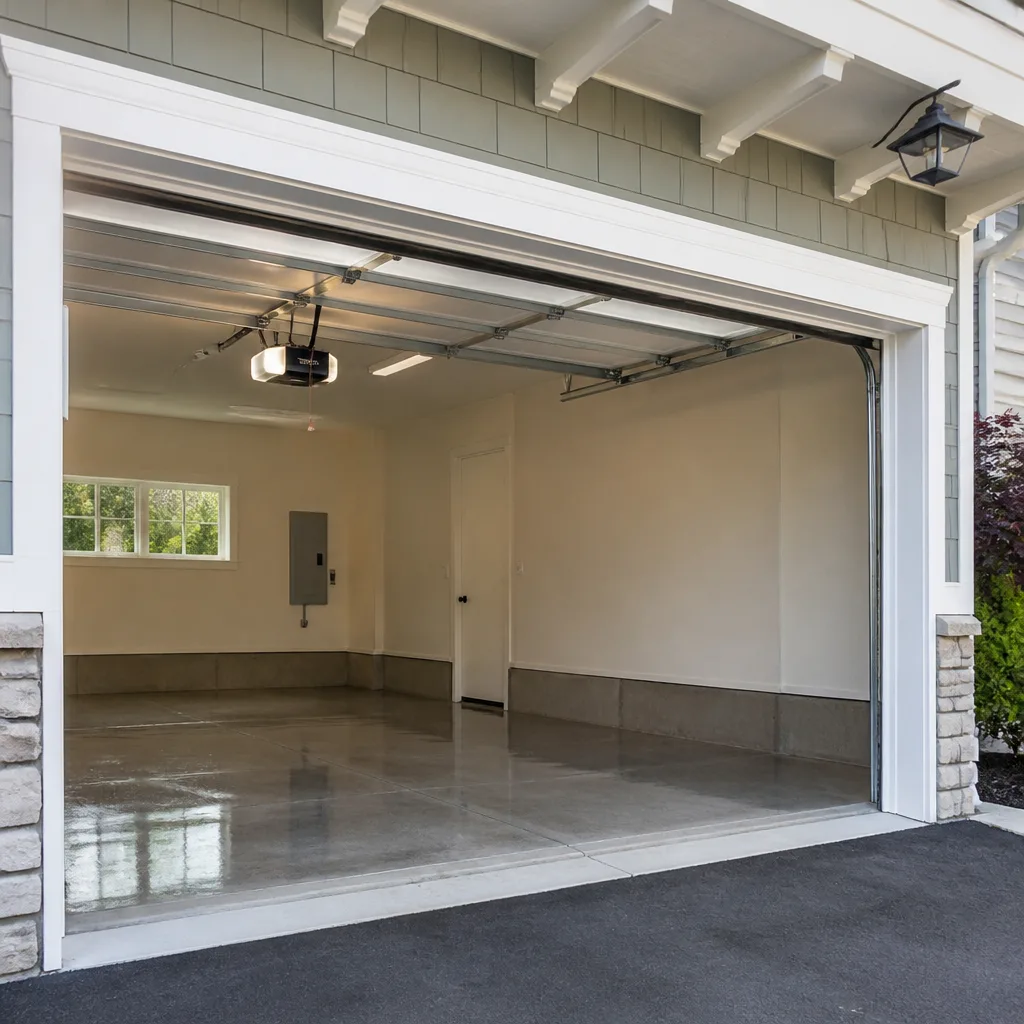 LiftMaster openers
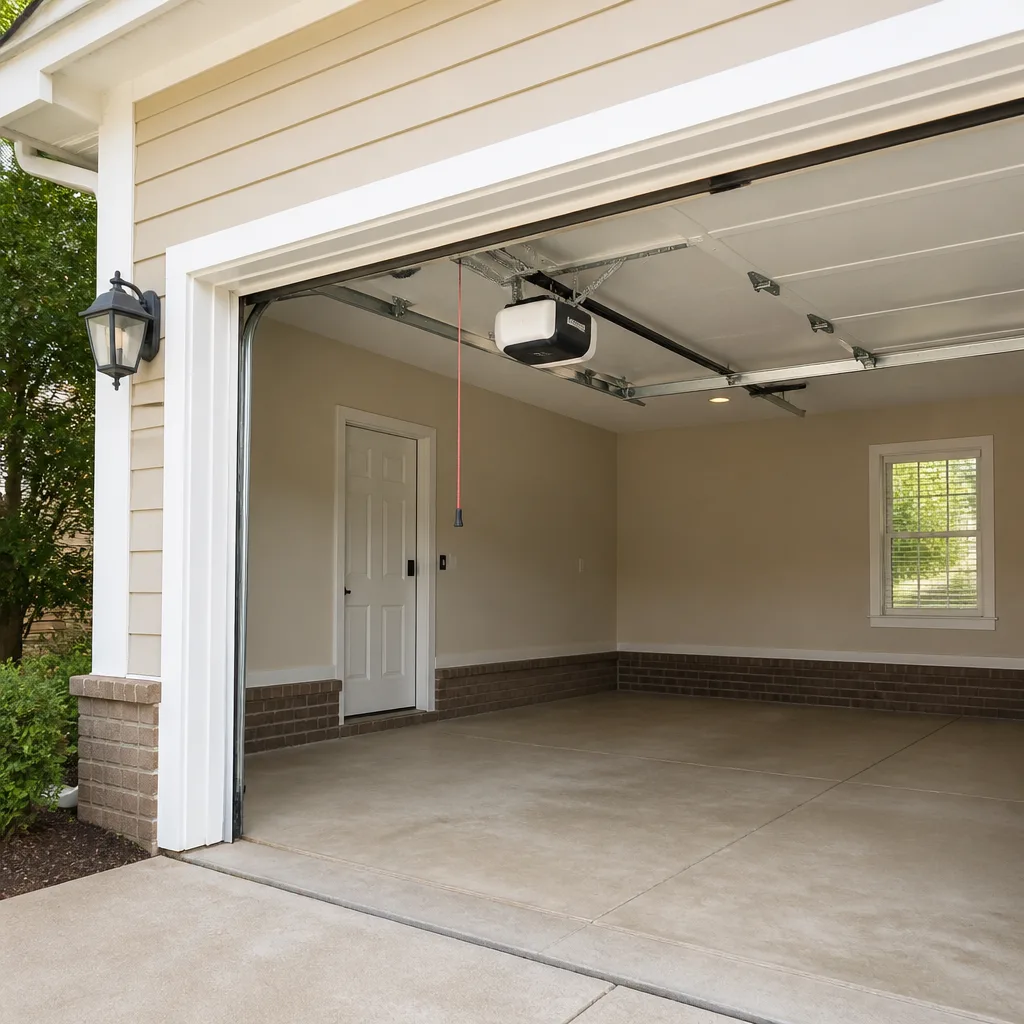 Chamberlain openers
Full 25-point door and opener safety check with every visit - springs, cables, rollers, tracks, and your LiftMaster or Chamberlain opener included
You get a price before we start. It does not change when the pro arrives.
Get your free estimateDIY vs Professional Garage Door: The Highland Park Homeowner’s Decision Guide
Torsion springs store enough energy to cause a serious hand injury in the fraction of a second it takes to make one wrong adjustment. That’s not a scare tactic; it’s the reason garage door springs are the one component where DIY is a poor trade-off no matter how handy you are. Everything else around the door is a different conversation. Weatherstripping, lubrication, sensor alignment, remote programming: all fair game for a careful homeowner. In this guide we’ll walk through a task-by-task breakdown, the actual physics behind spring tension, how Illinois liability and insurance treat DIY structural work, an honest cost comparison, and the test sequences that reveal whether a repair you did yourself actually held. If you own a home in Highland Park, this map will save you both money and a hospital visit.
Quick Answer
About 80% of routine garage door maintenance is genuinely DIY-friendly, while spring adjustment, cable winding, and structural header work are specialist-only because of stored energy and liability exposure. The dividing line isn’t skill level; it’s whether a mistake can injure you or void insurance coverage on an attached garage. For Highland Park homeowners, the practical rule is: handle lubrication, weather seals, sensor alignment, and opener programming yourself, and call a professional for anything involving tension, cables, tracks that have bent, or the framing above the door.
Styles & brands we work with
- Raised-panel steel
- Carriage house
- Modern flush
- Full-view glass
- LiftMaster openers
- Chamberlain openers
Table of Contents
- Why Garage Doors Are Different From Other Home Repairs
- The Physics of Torsion Springs, in Plain Numbers
- What’s Genuinely Safe to DIY
- What Isn’t: Springs, Cables, and Structural Work
- Illinois Liability and Insurance Considerations
- Honest Cost Comparison: When DIY Saves Real Money
- How to Tell If a DIY Repair Was Done Correctly
- Highland Park Climate and Door Wear
- Common Mistakes to Avoid
- When to Call a Professional
Why Garage Doors Are Different From Other Home Repairs
Most home repairs fail quietly. A leaky faucet drips, a loose hinge squeaks, a bad caulk line peels. A garage door fails with force. The door on a typical Highland Park two-car garage weighs somewhere in the range of 130 to 350 pounds depending on material and insulation, and it’s balanced by springs under constant tension. When something lets go, it doesn’t trickle; it drops, snaps, or throws hardware. That’s the core reason this decision guide exists: the question isn’t whether you can turn a wrench. It’s whether a mistake on this particular system has a margin for error.
There’s also the matter of how the door interacts with the rest of your house. It’s the largest moving object in most homes, it’s attached to structural framing, and it’s connected to an electrical circuit through the opener. Three systems in one unit: mechanical, structural, electrical. A generalist handyman can handle one of those well. A garage door specialist handles all three routinely, which is why we’ve built our business around this single trade rather than adding it to a list of general services.
In our experience around Highland Park, the doors we see most often are older sectional models from Clopay, Raynor, and Wayne Dalton, many with original springs that have gone through thousands of cycles. The neighborhood character matters here: homes in Braeside and Sherwood Forest often have garages built into grade with tight clearance, while properties closer to downtown Highland Park tend to have detached or semi-detached garages with different framing. Each setup changes the DIY risk picture slightly.
Finally, there’s the time question. A door that’s stuck closed isn’t one car trapped; it’s the whole household’s schedule. Calling us for garage door repair isn’t a failure of self-reliance. It’s a calculation about how long you can afford the door to stay down while you learn a system you’ll only touch once.
The Physics of Torsion Springs, in Plain Numbers
A torsion spring is a coiled steel rod held under tension and mounted horizontally above the door. When the door closes, the spring winds tighter. When it opens, the spring releases that stored energy to lift the door. The important number is not the weight of the spring itself – a typical torsion spring for a residential door weighs a few pounds – but the torque it carries. That torque is measured in inch-pounds, and for a standard two-car door it often runs into the hundreds of inch-pounds. Release that energy uncontrolled and it doesn’t push; it whips.
Here’s the comparison we give homeowners: the energy in a wound torsion spring on a two-car door is in the same order of magnitude as a falling cinder block from a second-story window. That’s why we never describe spring work as “adjusting” anything. It’s releasing tension in a controlled sequence, with the right bars, the right technique, and the door secured.
Extension springs, common on older doors, are a different animal. They stretch along the horizontal tracks and are supposed to have a safety cable running through them. When one breaks, it travels. If you’ve ever heard a garage door “bang” from inside the house and found a spring on the floor, that’s an extension spring that let go without a cable. It’s also why we treat garage door spring repair as its own service line rather than folding it into general repair work.
What the numbers mean for you
- Stored torque: hundreds of inch-pounds on a standard residential torsion spring, enough to break a wrist or worse
- Door weight: typically 130 to 350 pounds depending on size, material, and insulation
- Cycle count: most springs are rated for a set number of open-close cycles, and Highland Park doors that see daily use hit that ceiling faster than you’d think
- Failure mode: springs rarely fail gradually – they snap, which means the failure happens at the moment you least expect
If you want a deeper dive into how a spring is replaced properly, our team walks through the process on our spring repair page, but the short version is: this is the task where the safety margin between an experienced technician and an untrained homeowner is widest.
What’s Genuinely Safe to DIY
We’re not going to tell you to call us for everything. That’s not how a specialist builds trust, and it’s not how we like to work. Several jobs on your garage door are simple, low-risk, and worth doing yourself. They’re the ones that keep the door running longer so you don’t need us for the big jobs as often. Here’s our list of tasks we’d hand a homeowner without hesitation:
- Weatherstripping replacement. The rubber seal along the bottom of the door and the brush or vinyl strips around the sides are cheap and easy to replace. A worn bottom seal lets water and cold air into the garage, which in Highland Park’s winters matters more than you’d think.
- Lubrication. Hinges, rollers, and the tracks benefit from a proper garage door lubricant (not WD-40) a couple times a year. Avoid greasing the torsion spring itself; many springs are oil-tempered and don’t need it.
- Sensor alignment. The two photo-eye sensors at the bottom of the tracks should point at each other and both should light up solid. If one is dim, wiggling it back into alignment usually fixes it.
- Remote programming. If you’ve replaced a remote or moved into a home with an opener you didn’t install, programming a new remote on a LiftMaster or Chamberlain opener is a manual task anyone can do.
- Roller replacement. Nylon rollers thread in and out of the hinge brackets without touching spring tension. This one is genuinely safe.
- Visual inspection. Look at the cables for fraying, the springs for gaps, and the door panels for cracks. A careful eye catches problems early.
There’s a real cost case here. A can of lubricant or a roll of weatherseal is a fraction of the cost of a service call, and doing those jobs yourself is a good use of your time. Where the math shifts is on the tasks in the next section.
What Isn’t: Springs, Cables, and Structural Work
The line is clear: anything that involves stored tension or the structural framing around the door belongs to a trained professional. That’s not gatekeeping – it’s an honest read of where a mistake has consequences you can’t undo. Here’s what we’d never recommend a homeowner tackle:
- Torsion spring adjustment or replacement. The winding bars have to be inserted and rotated in a precise sequence, and the spring has to be held the entire time. If a bar slips, the spring releases against whatever is in its path: the bar, your hand, your arm.
- Extension spring replacement. Even with the door down and tension released, the spring and the cables that run alongside it are under load. This is the other half of our opener and door repair work that we treat as specialist-only.
- Cable replacement. The cables are what actually transfer spring force to the door. Once a cable is off, the door is unbalanced and can drop without warning. Replacing a cable means re-tensioning and re-balancing the whole system.
- Track straightening. A bent vertical track can look repairable with a rubber mallet, but it usually means a roller has jumped and something else is out of alignment. A small straightening job that goes wrong takes the door off its path.
- Header and framing work. The framing above the door carries the weight of the torsion bar. If it’s compromised, the fix belongs to a structural specialist, not a handyman and certainly not a homeowner with a drill.
- Opener electrical work. Adding a circuit, moving a junction box, or replacing a hardwired opener unit involves the electrical panel. That’s not the place to learn.
We’ve seen a few homeowners in Highland Park take on spring work after watching videos. Some finish the job. The ones who don’t usually call us with a door that’s hanging off one side and a spring in pieces on the floor. The problem isn’t that YouTube tutorials are wrong; it’s that a video can’t see your spring, your door weight, your cycle count, or your hand at the moment the bar slips.
Illinois Liability and Insurance Considerations
Here’s a consideration most DIY guides skip: how DIY garage door work interacts with your homeowner’s insurance if something fails later. We’re not insurance agents, and we’re not going to give you policy advice, but we can tell you the general shape of the conversation. If your garage is attached to the house (as many are in Highland Park’s older neighborhoods), a door failure that damages the structure or injures someone enters the same claim territory as the rest of your home. If the failure traces back to improper DIY structural or spring work, your insurer may treat the repair differently than a professionally completed job. The safest approach is to call your agent before you take on anything structural above the door, and to keep receipts and documentation of any professional work.
The other Illinois-specific point is less about insurance and more about code and permits. Permit requirements for structural work vary by jurisdiction, and Highland Park is no exception. We won’t guess at them for you, but if your repair involves the header, the framing, or the electrical circuit for a hardwired opener, ask the city’s building department what’s required before you start. If they ask for a licensed contractor, that’s not a hurdle; it’s the answer.
What a licensed professional brings to a job includes insurance of their own. When you hire us, the technician who shows up is covered for the work they perform, and the liability shifts to the trade. When you do the work yourself, you carry that exposure personally. For a sensor realignment, that’s nothing. For a spring replacement, it’s a meaningful trade-off.
Honest Cost Comparison: When DIY Saves Real Money
This is where honesty pays off. DIY doesn’t always save money, and professional work doesn’t always cost a premium. The math depends entirely on which job you’re looking at. Small jobs are usually cheaper to DIY, sometimes dramatically so. Medium jobs are close to a wash. Specialist jobs are almost always cheaper professionally once you factor in the cost of parts, tools, and risk.
| Task | DIY cost (typical) | Professional cost (typical estimate) | Recommendation |
|---|---|---|---|
| Bottom weather seal replacement | $20 to $40 in materials | $80 to $150 | DIY is often worth it |
| Lubrication and tune | $10 to $20 in materials | $100 to $180 | DIY is worth it |
| Sensor alignment | Free | $75 to $150 | Try it yourself first |
| Remote or keypad programming | Free | $75 to $150 | Try it yourself first |
| Roller replacement | $20 to $50 in materials | $120 to $220 | A judgment call either way |
| Extension spring replacement | Not recommended | $150 to $260 | Professional, no question |
| Torsion spring replacement (single spring) | Not recommended | $180 to $340 | Professional, no question |
| Matched pair spring replacement | Not recommended | About twice a single spring | Professional, no question |
Notice how the parts markup on cheap jobs (seals, lubricant) is small enough that a professional visit only makes sense if you’d rather not climb a ladder. But on springs, the professional cost is not “labor profit” – it’s the price of the bars, the spring size that matches your door, and the assumption of the physical risk. That’s why we tell homeowners not to shop for springs by price alone. The right spring for your door matters more than the price of the spring on its own.
One important caveat: prices on this page are typical estimates, not quotes. The written estimate you receive after we see the door is the number that applies. Spring prices above are per spring; a matched pair is replaced together and costs about twice the single-spring figure. For doors in Highland Park, the range is generally in line with the rest of the northern suburbs.
How to Tell If a DIY Repair Was Done Correctly
If you’ve already done a repair yourself and want to know whether it held, there’s a specific test sequence you can run safely. This isn’t about redoing the work; it’s about catching a hidden problem before it turns into a faster-moving one. Work through the steps in order:
- Disconnect the opener. Pull the release handle so the door is on manual. The door should move by hand from closed to open without jerking or binding.
- Balance test. Lift the door to roughly halfway open and let go. A properly balanced door stays put or drifts no more than a few inches. A door that sags to the floor means the springs are undertensioned; one that flies up on its own means overtensioned.
- Travel test. With the opener re-engaged, run the door fully up and fully down. Watch the gap between the door panels and the frame at each side. It should stay even; a widening gap on one side means a cable or roller problem.
- Auto-reverse test. With the door on the way down, place a 2×4 flat under the door’s path. The door should reverse when it contacts the wood. If it doesn’t, the force limit setting is wrong.
- Photo-eye test. With the door closing, wave a hand or a piece of cardboard through the sensor beam. The door should reverse immediately. If it doesn’t, the sensors aren’t aligned.
- Sound test. Stand inside the garage and open the door. You should hear a steady, even motor. Grinding, popping, or a rhythmic clunk means something in the track or roller has shifted.
If any of these fail, don’t adjust the springs or cables to fix it. The tests are diagnostic, not prescriptive. That’s the point where a call to a technician is the right next step, and most of the time it’s a small fix that just needs a trained eye.
Highland Park Climate and Door Wear
Garage doors in Highland Park go through a specific wear pattern that generic national guides don’t address. The freeze-thaw cycle along the North Shore means the door’s bottom seal takes a beating every winter: snowmelt, refreezing, and road salt splash all work at the rubber. A bottom seal that looks fine in July can be stiff and cracked by December. It’s the first thing we check on a winter service call.
The summer humidity pattern matters too. Wood doors in Highland Park, particularly older sectional wood doors in neighborhoods closer to the lake, absorb moisture and swell slightly at panel edges. That swelling can bind against the track. If you fight with a sticky door every July and it works fine by October, the issue is more likely moisture movement than a mechanical problem. A technician can adjust the track clearance to accommodate the seasonal shift.
Finally, wind. Highland Park sees real storms, and a door that’s loose in the tracks can be pushed off by a strong gust. That’s why we treat “off-track” as one of our standard emergency calls. If a storm is on the way and the door is already rattling, that’s a fix-before-the-storm conversation, not a fix-after.
Common Mistakes to Avoid
- Winding a torsion spring with the wrong size bar. The bar must fit the winding cone exactly; a loose fit slips when you least want it to. Buy the right tool or don’t do the job.
- Replacing only one spring of a pair. Matched springs wear together. Replacing one leaves the door out of balance and the other spring doing more work than it was rated for. Replace the pair.
- Using WD-40 as lubricant. It’s a solvent, not a lubricant, and it strips the proper grease off the hinges and rollers. Use a garage-door-specific lubricant instead.
- Straightening a bent track with a hammer. A bent track usually means a roller has failed or is out of the channel. You’re addressing the symptom, not the cause, and you risk taking the door off its path.
- Ignoring a safety cable on an extension spring. Extension springs must have a cable running through them. If yours doesn’t, that’s the highest-priority upgrade you can make on an older Highland Park door.
- Adjusting the opener force limit to fix a sticky door. That’s masking a door problem behind the opener. The force setting should be set to the correct standard and left there for the auto-reverse test to work.
- Doing structural work above the door without checking the permit requirements. Ask the city’s building department what applies before you start. A small framing fix has a way of becoming a bigger one.
When to Call a Professional
Call a professional the moment a job involves spring tension, cables, tracks, or the framing above the door. That’s our plainest advice. Call when the door is off its tracks, when a spring is visibly broken (you’ll see a gap in the coil and the door will feel unusually heavy), when a cable has come loose or frayed, when the opener runs but the door doesn’t move, or when you don’t know what’s wrong but something has changed. Also call when a repair you did yourself hasn’t fully fixed the symptom, or when your own tests show a balance or auto-reverse issue you’re not sure how to resolve.
Garage Door Repair Highland Park Pros offers free estimates in Highland Park. Our technicians work on the brand of door and opener you already have, and they know the systems Highland Park homeowners rely on: LiftMaster and Chamberlain openers, Clopay and Raynor doors, and the rest of the major lines. Call (866) 729-7583 for a free estimate. We answer 24/7. Fast dispatch from 7am to 7pm, Sunday through Friday.
See the difference
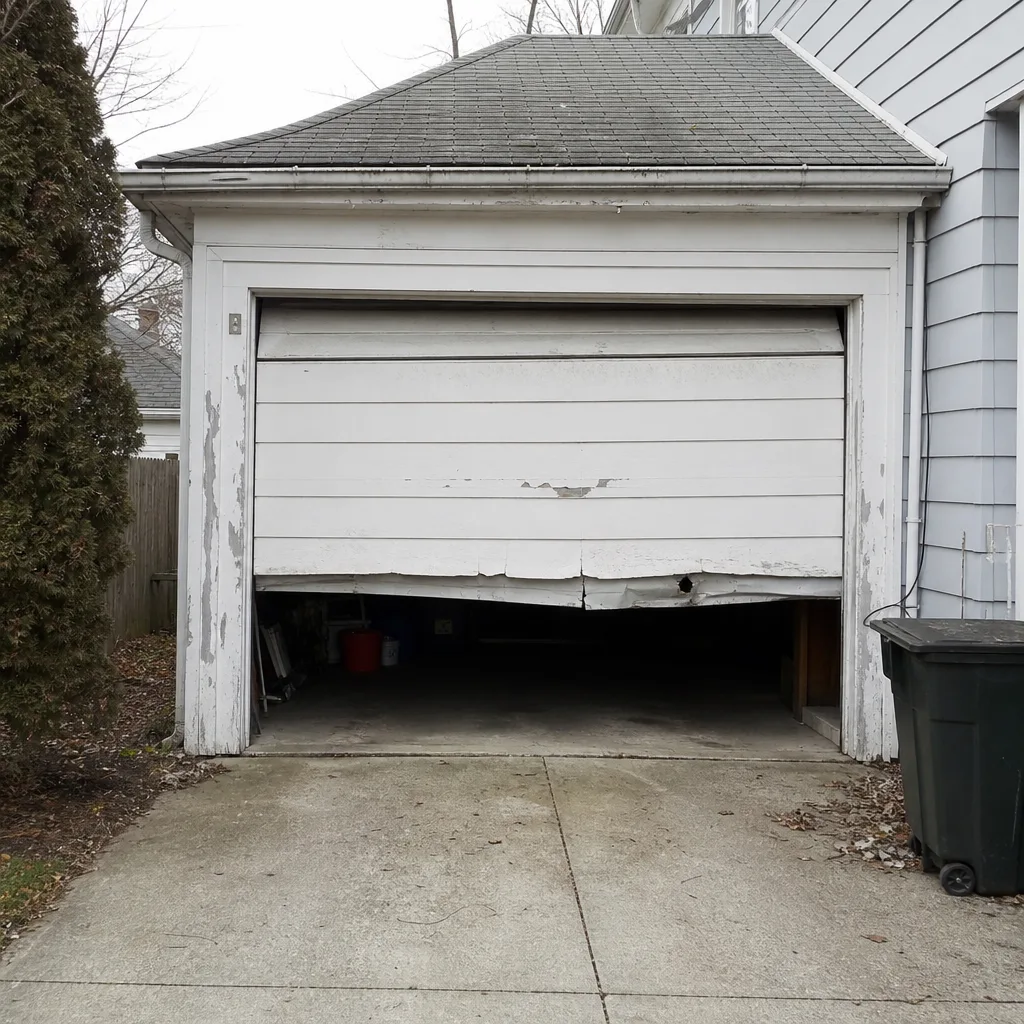 Before
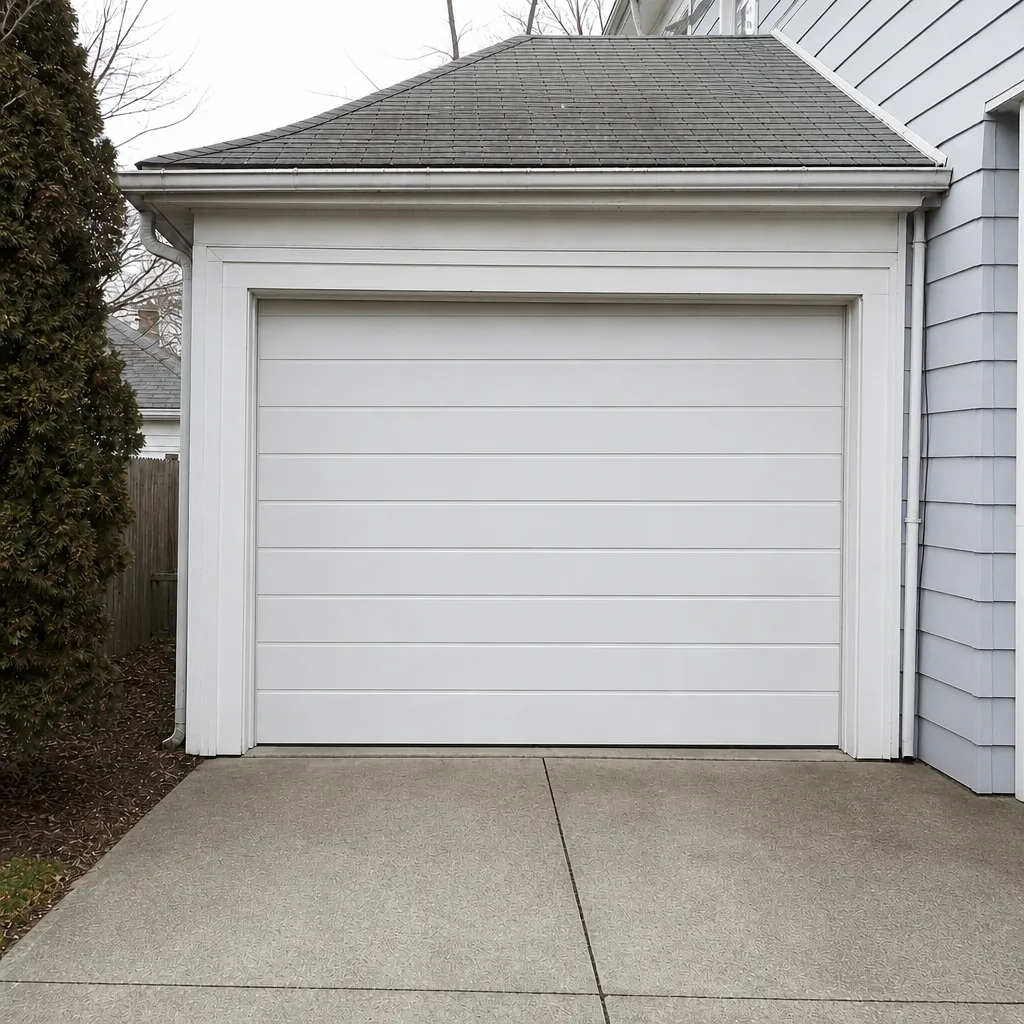 After
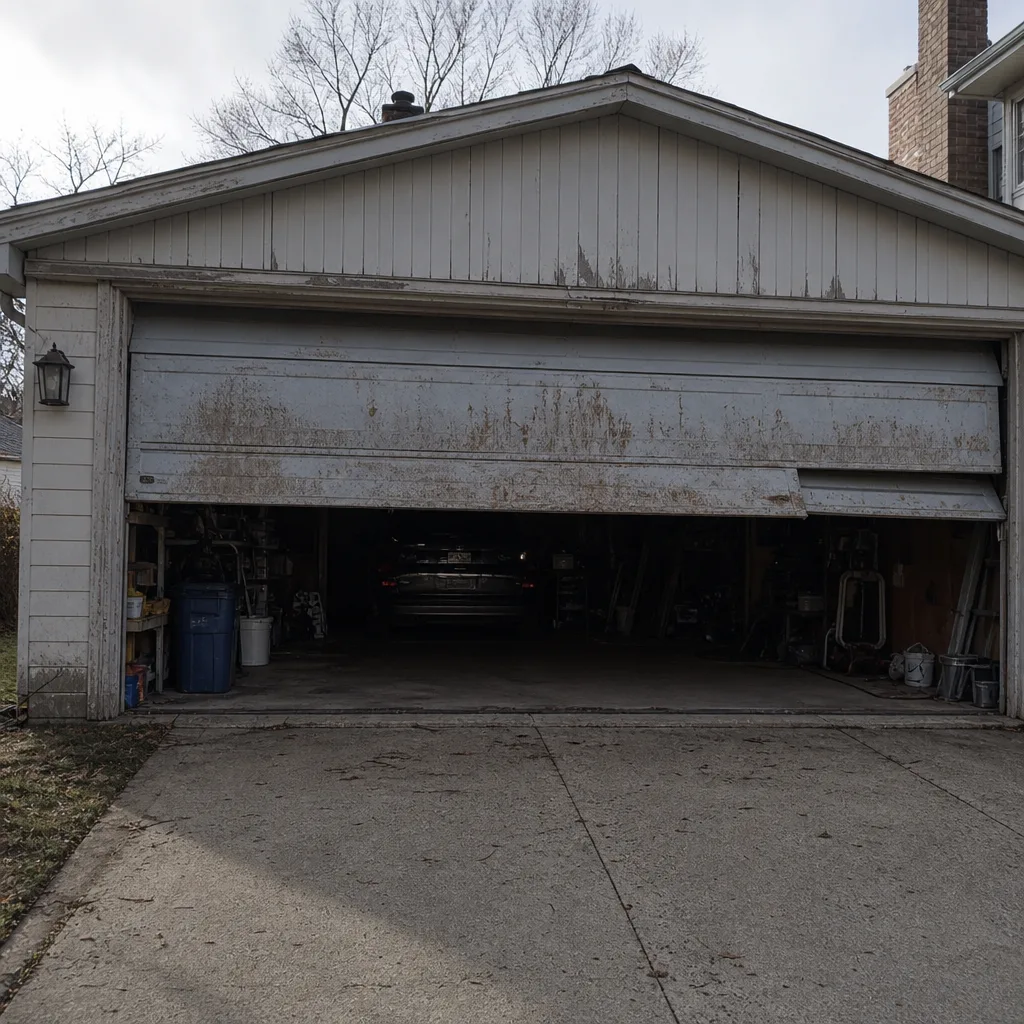 Before
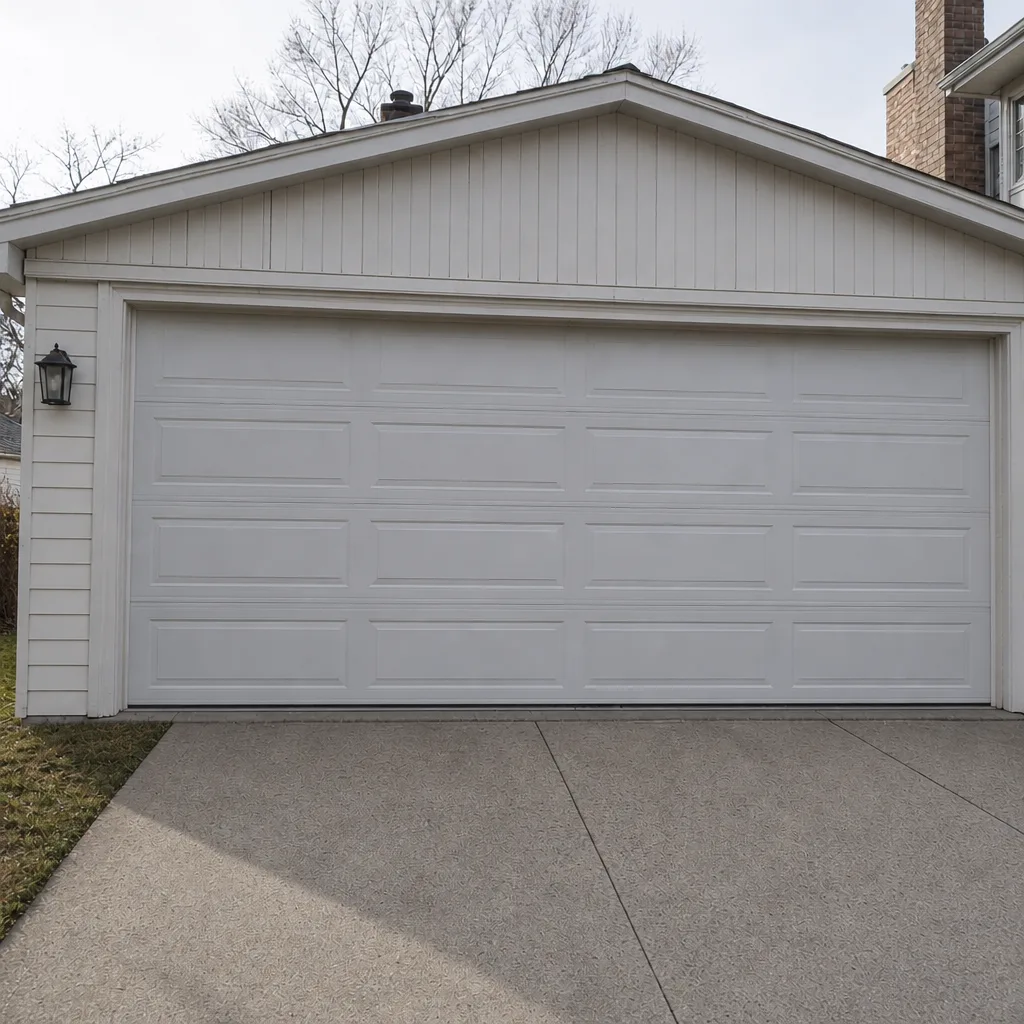 After
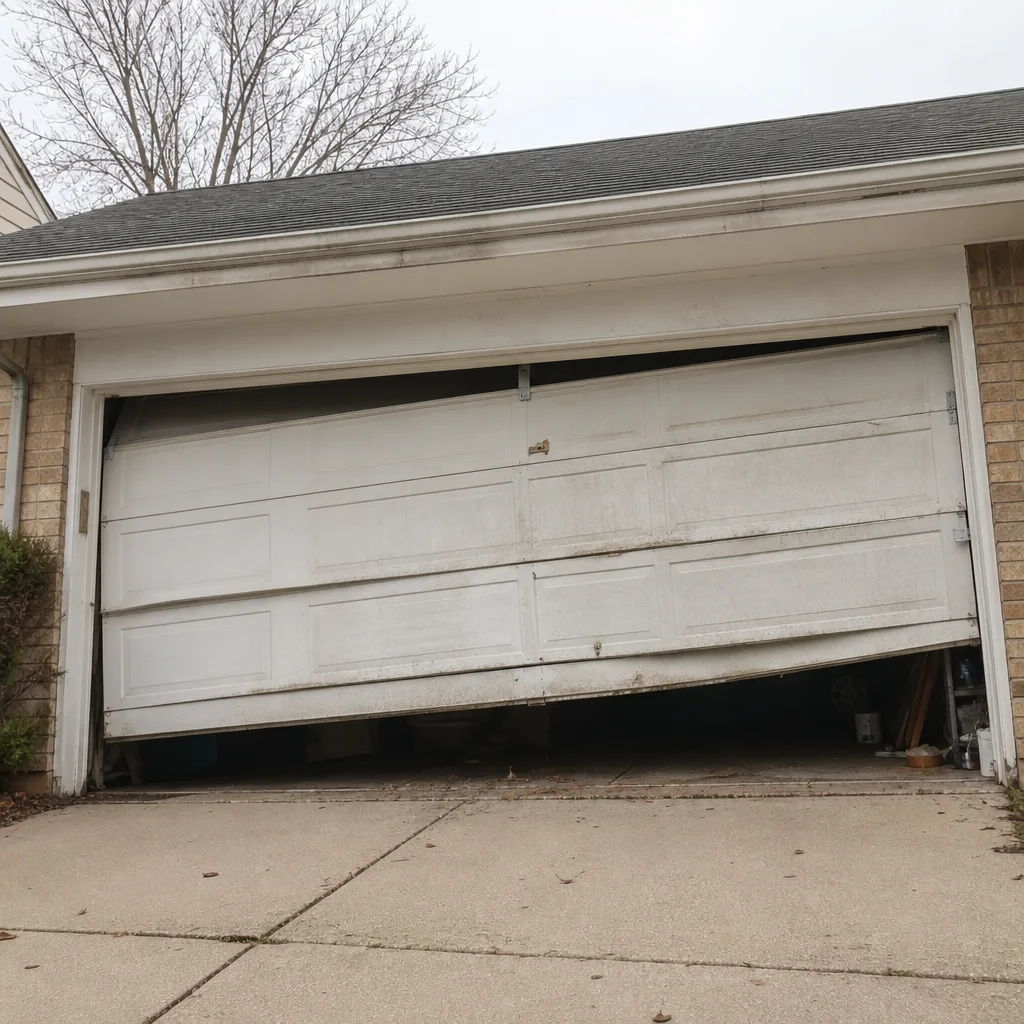 Before
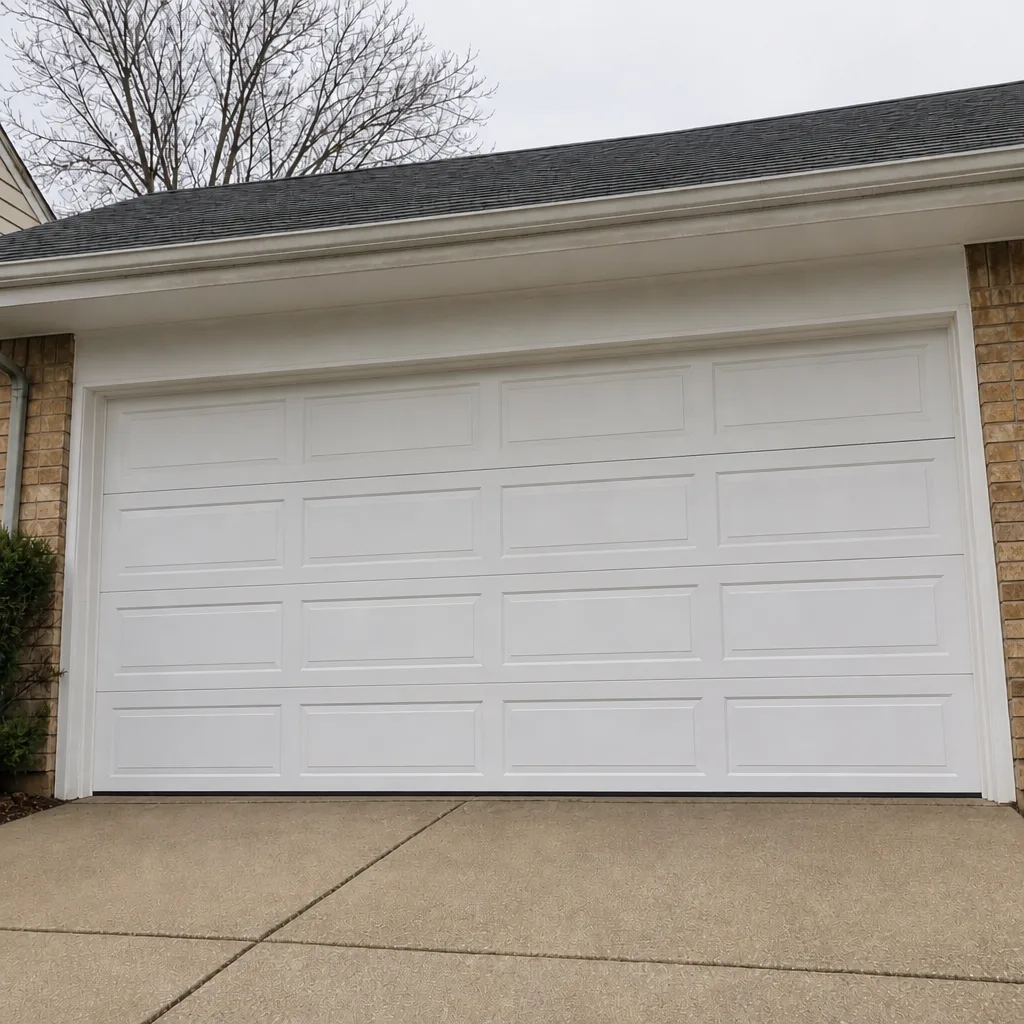 After
Frequently Asked Questions
No. Torsion and extension springs are under enough stored energy to cause serious injury, so spring replacement should always be left to a trained technician. Call (866) 729-7583 for a free estimate.
Garage door spring repair in Highland Park typically costs $180 to $340 for a single torsion spring, or about twice that for a matched pair. Extension springs usually run less, around $150 to $260 for one. The written estimate after we see the door is the final price. Call (866) 729-7583 for an exact quote; estimates are free.
That depends entirely on your policy, so the safest answer is to call your insurance agent before doing structural work above the door. DIY spring or header work that fails can complicate a claim because the insurer may treat an improperly completed repair differently from professional work.
Same-day repair is often possible for urgent issues like doors off track, broken springs, or openers that won’t respond. We answer 24/7, and fast dispatch runs from 7am to 7pm, Sunday through Friday. Call (866) 729-7583.
Yes. Sensor alignment and lubrication are genuinely DIY-friendly jobs that keep the door running smoothly and cost almost nothing in materials. They’re the best use of your time on this system. For anything involving springs, cables, tracks, or the opener’s electrical work, call (866) 729-7583.
We’re closed Saturday and open Sunday through Friday, 7am to 7pm. Call (866) 729-7583 and we’ll book your service into the next opening. Our phone line answers 24/7, so you can reach a person and get scheduled without waiting.
The Bottom Line
The DIY versus professional question on a garage door isn’t about pride or skill. It’s about which tasks have a margin for error and which don’t. Lubrication, weather seal replacement, sensor alignment, and remote programming are yours to handle and worth doing. Springs, cables, tracks, framing, and opener electrical work are professional territory, and the cost comparison supports that once you count tools, risk, and the possibility of a second visit. Highland Park’s climate makes the small jobs more frequent, which is exactly why the small jobs are worth doing yourself. If you’re unsure which side of the line a job falls on, call Garage Door Repair Highland Park Pros for a free estimate at (866) 729-7583. We answer 24/7. Fast dispatch from 7am to 7pm, Sunday through Friday. Our technicians have up to 13 years of experience, and they work on the equipment you already own. For a starting point, our Highland Park garage door team can help you figure out what’s actually wrong before you spend anything on parts.
Written by the team at Garage Door Repair Highland Park Pros.