
Last updated November 22, 2026
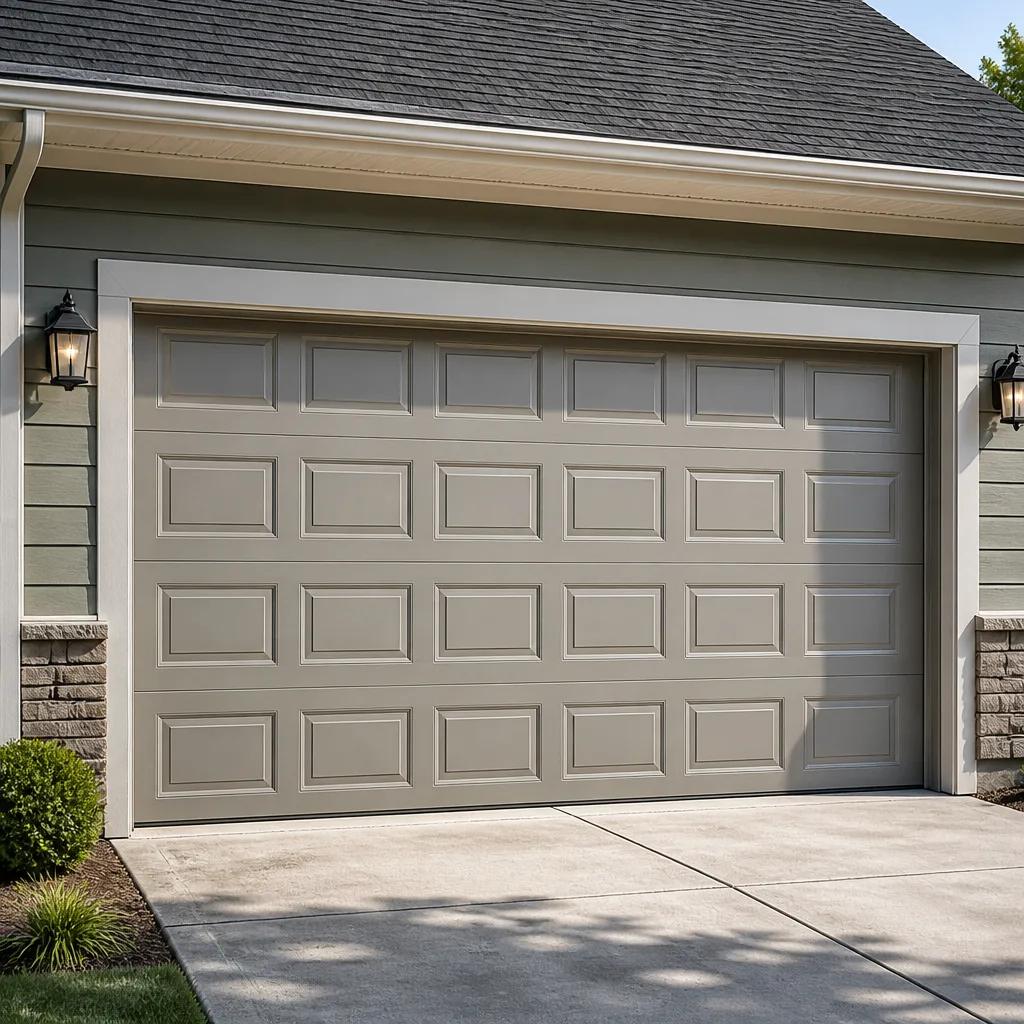 Raised-panel steel
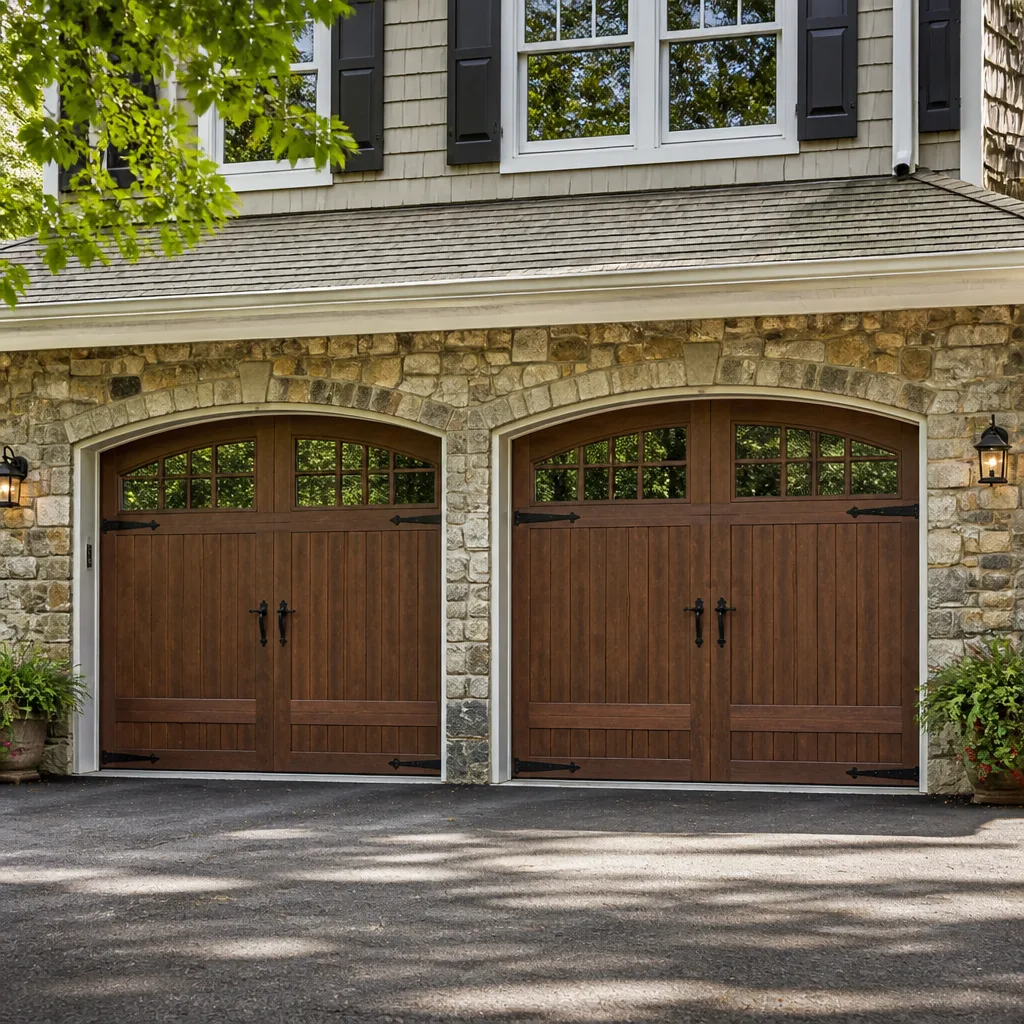 Carriage house
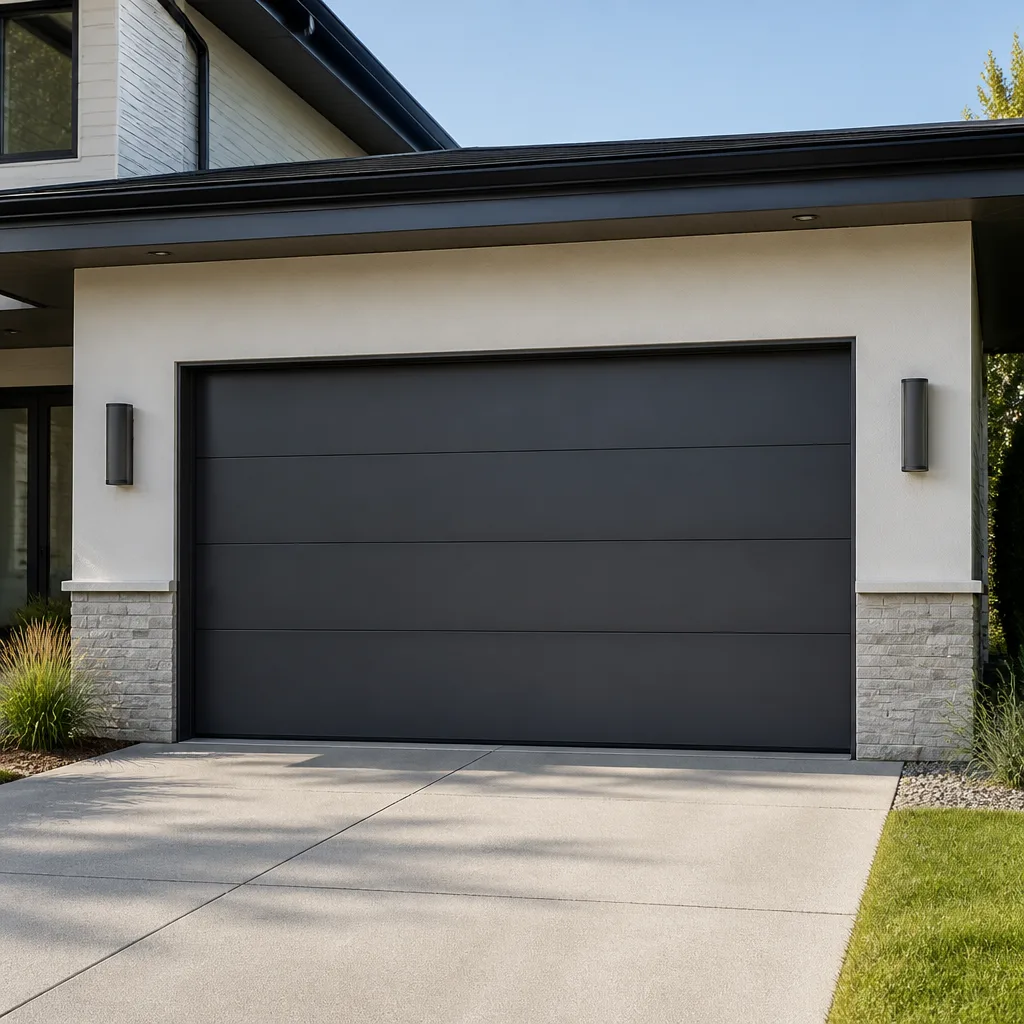 Modern flush
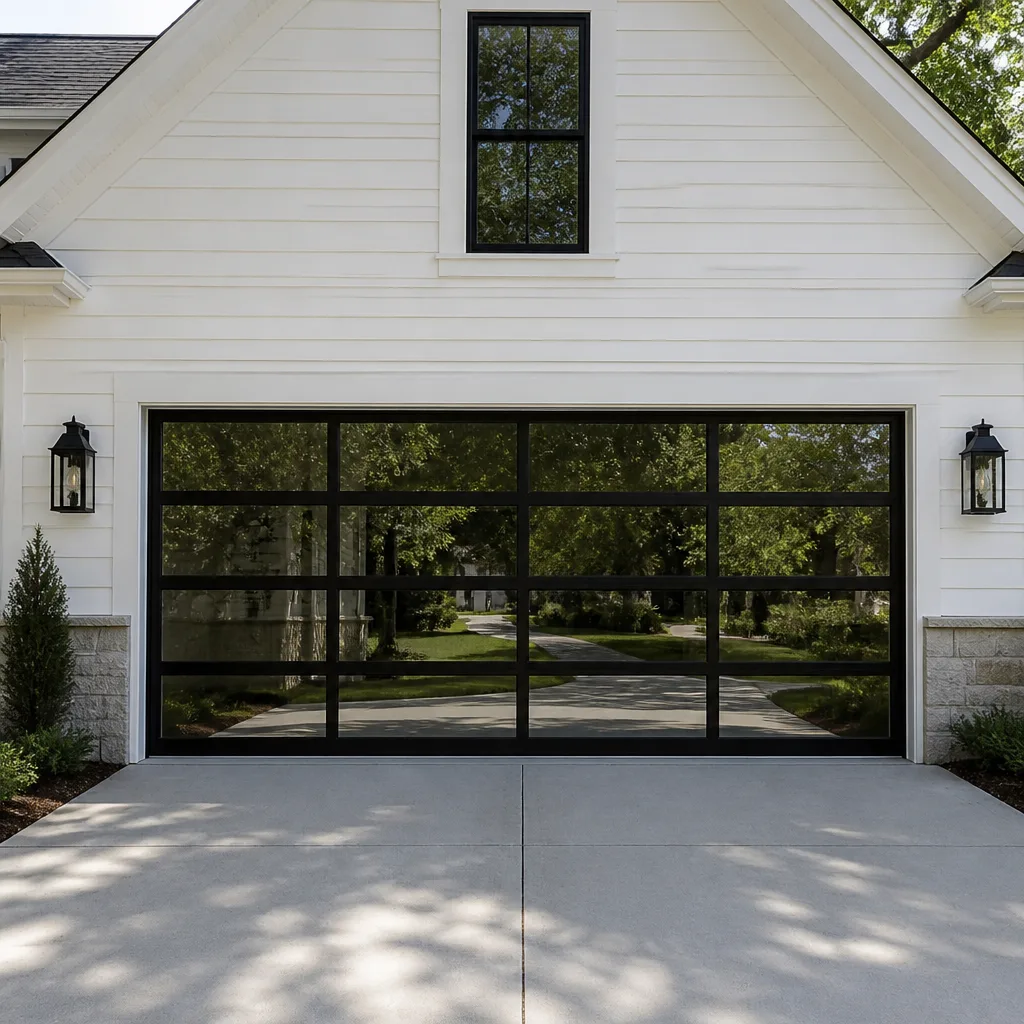 Full-view glass
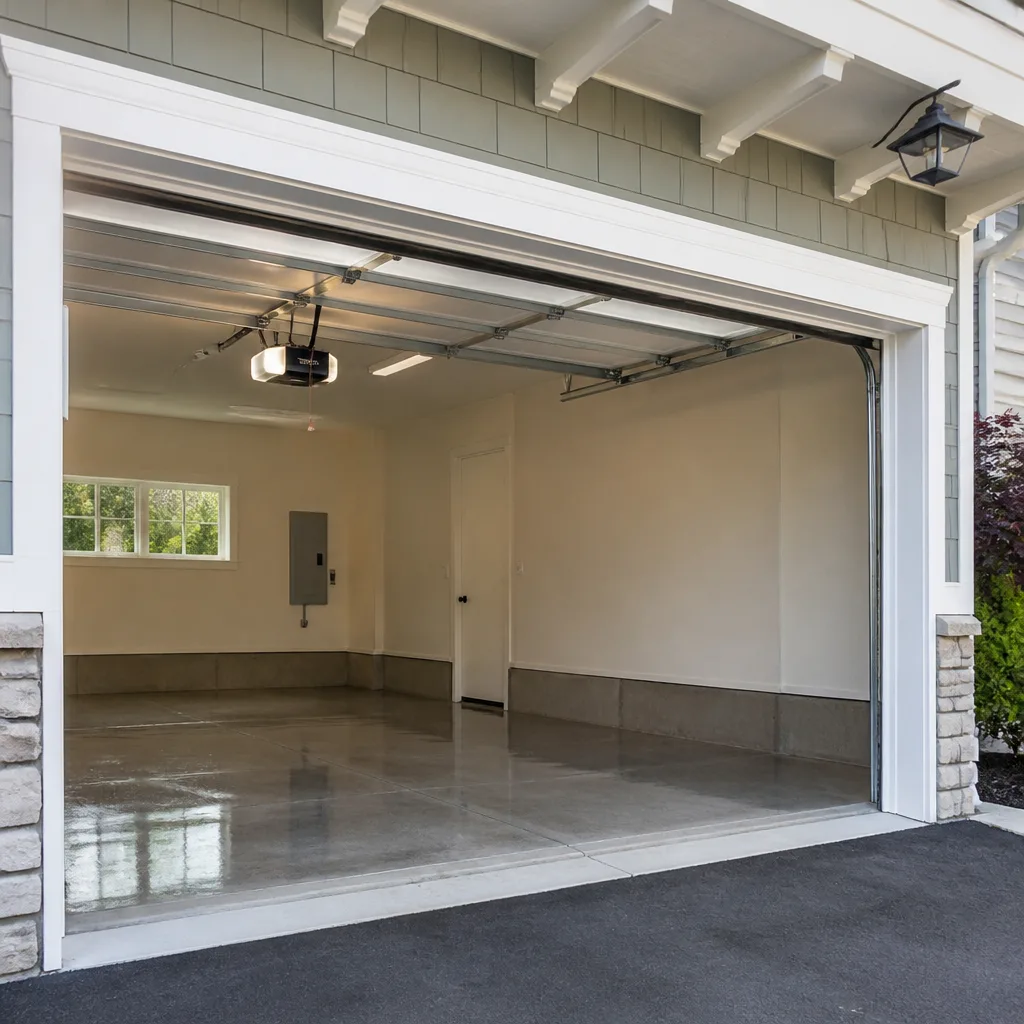 LiftMaster openers
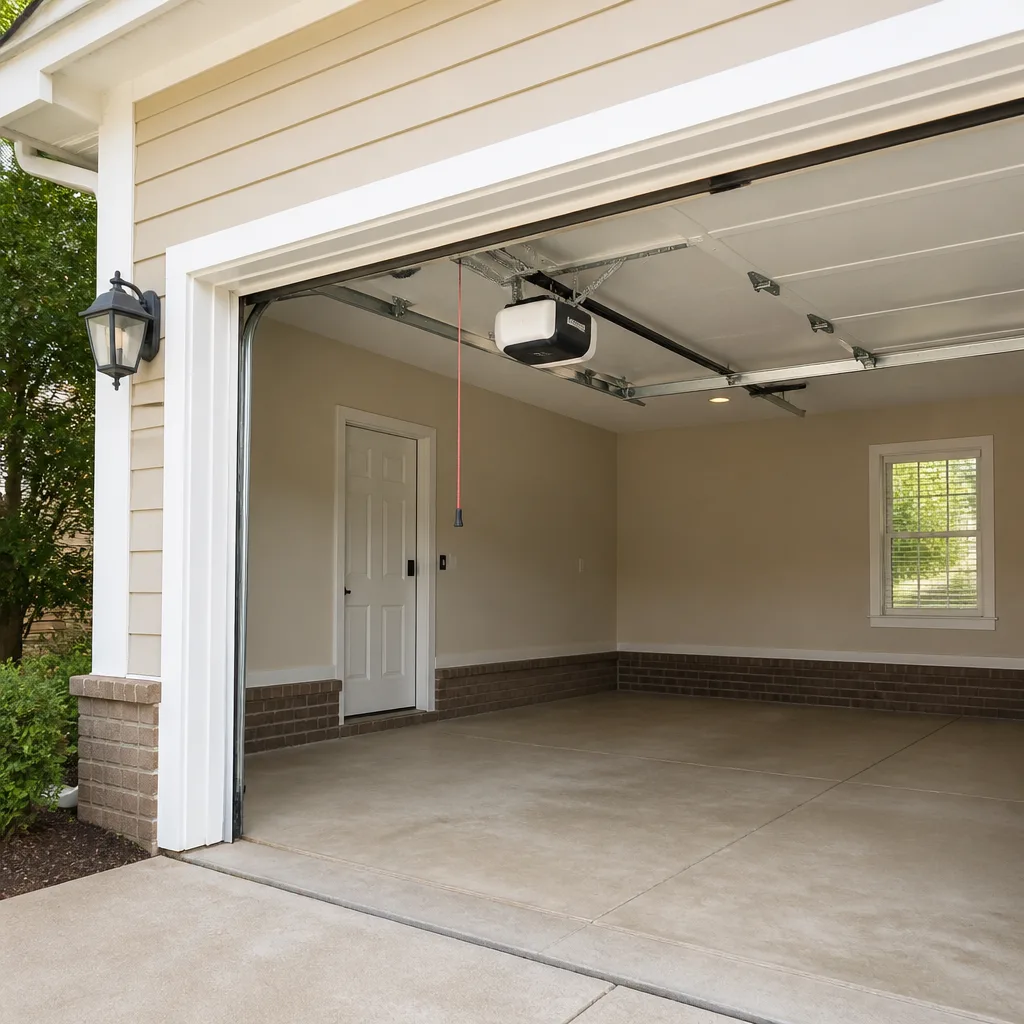 Chamberlain openers
Full 25-point door and opener safety check with every visit - springs, cables, rollers, tracks, and your LiftMaster or Chamberlain opener included
You get a price before we start. It does not change when the pro arrives.
Get your free estimateGarage Door Repair Troubleshooting in Highland Park: Common Problems and How to Fix Them
The door that “just stopped working” almost never stops working without warning. It usually complained first – a rattle on the way down, a slight hesitation at the halfway point, a reverse that happened one time and didn’t happen again. Homeowners miss those signals because nobody ever told them what to listen for. That’s the gap this guide closes. You’ll learn to sort your door’s behavior into one of five mechanical categories: spring, cable, track, opener, or safety sensor. Once you know which system is talking, most of the guessing disappears. Highland Park doors give up in fairly predictable ways, and we’ll cover the local patterns too.
Quick Answer
Garage door problems in Highland Park usually trace to one of five systems: the springs (door won’t lift or feels too heavy), the cables (door hangs crooked or won’t move at all), the tracks (door grinds, binds, or jumps the rail), the opener (motor runs but nothing moves, or the unit strains), or the safety sensors (door reverses before closing). The symptom tells you which system is involved. Torsion spring adjustment is not a homeowner job – high-tension springs under load can cause serious injury. Everything else on this list is something you can safely inspect.
Styles & brands we work with
- Raised-panel steel
- Carriage house
- Modern flush
- Full-view glass
- LiftMaster openers
- Chamberlain openers
Table of Contents
- The Symptom-to-System Map: Five Categories That Explain Most Breakdowns
- Door Won’t Move vs. Moves Partially: Why the Distinction Matters
- Door Reverses Before Closing: Three Root Causes and How to Isolate Them
- Safe Troubleshooting Steps for Homeowners (and What Not to Touch)
- How Highland Park’s Freeze-Thaw Cycles Create Seasonal Failure Patterns
- What Garage Door Repairs Typically Cost in Highland Park
- Common Mistakes to Avoid
- When to Call a Professional
The Symptom-to-System Map: Five Categories That Explain Most Breakdowns
Every garage door problem you’ll encounter in Highland Park falls into one of five mechanical categories. Sorting your symptom into the right category before you call anyone eliminates most of the guesswork. This is the same mental framework our technicians use on the first walk-up.
Here’s how to map what you’re seeing or hearing to the system most likely responsible:
- Spring problem: The door is too heavy to lift by hand, the opener strains or hums without lifting, or you find a clean break in the torsion bar or extension spring. A snapped spring is usually visible – look above the door on a torsion system, alongside the tracks on an extension system.
- Cable problem: The door hangs noticeably crooked, one side sags lower than the other, or you see frayed wire strands or a loose cable along the side of the door. A snapped cable can whip loose and is not something to handle by hand.
- Track problem: The door grinds, scrapes, or binds partway up, or a roller has jumped the track. Look for a dented or bent section of rail and check whether rollers sit fully inside the channel.
- Opener problem: The motor runs – you hear it – but the door doesn’t move, or it moves weakly. Could also show as a door that opens fine by hand but not with the remote. On the LiftMaster and Chamberlain / myQ ecosystem this is often a logic board or travel-limit issue rather than a mechanical failure.
- Safety sensor problem: The door reverses before closing, usually within a foot or two of the floor, and often repeatedly. The sensor eyes at the base of the tracks on each side tell the opener the doorway is clear.
Two categories can produce identical symptoms, and that’s where isolated testing helps. But the mapping alone gets you to the right conversation. In our experience across Highland Park, spring and cable issues together account for the majority of “door won’t open at all” calls, while opener and sensor issues dominate partial failures.
Door Won’t Move vs. Moves Partially: Why the Distinction Matters
A door that won’t move at all points to a different component than a door that moves partway and stops. The first usually means tension has been lost – a spring or a cable – or the opener has lost communication with the door. The second almost always means the door is binding somewhere along the travel, or a sensor or limit switch is interrupting the cycle.
Here’s how to tell them apart without tools:
- Pull the emergency release. With the door in the fully down position, pull the red cord to disconnect the opener from the door. This is safe to do.
- Lift the door by hand slowly. If it’s reasonably balanced, you should be able to lift it with moderate effort. If it won’t budge, or it feels like it’s fighting you the whole way, a spring or cable is the likely culprit. Don’t force it.
- If it lifts by hand but not with the opener, the mechanical door is probably fine and the opener, wall control, or sensor circuit is the issue. Move to opener and sensor diagnostics.
- If it lifts partway and grinds or sticks, the door is binding. Look for bent track, a jumped roller, or a hinge that’s come loose. This is a track issue, not a spring issue.
- Reconnect the release when you’re done – pull the cord again with the door down and cycle it once by hand to reseat the trolley.
That single test – pull the release, lift by hand, reconnect – tells you which half of the door to investigate. We run it on almost every diagnostic call before we open a toolbox. In Highland Park, the split between these two failure modes follows the seasons too, which we’ll cover below.
If a spring has clearly snapped or a cable is loose, stop here and call. For those, our garage door spring repair service handles the tension problem with the tools and safety equipment the job requires.
Door Reverses Before Closing: Three Root Causes and How to Isolate Them
A door that reverses before closing has one of three root causes: an obstructed or misaligned safety sensor, a travel-limit misconfiguration in the opener, or a binding track that the opener interprets as resistance. Isolating which applies takes about five minutes and no special tools.
The most common root cause is the safety sensor, because the sensors are two small lenses that sit at floor level on each side of the door and anything – a cobweb, a leaf, a shifted bracket, a piece of debris – can interrupt the beam. The second most common is a travel-limit that has drifted, which happens more often on older openers. The third is a track binding that inhibits the door’s travel enough that the opener’s force-sensing safety system reverses the cycle.
To isolate which one applies:
- Check the sensor indicator lights. Most LiftMaster, Chamberlain, and Genie openers have a small LED on each sensor. If one is off or flickering while the other is solid, the beam is broken or misaligned. Wipe both lenses with a soft cloth and check the light again.
- Look at the sensor alignment. The two eyes should point directly at each other. If one has been knocked slightly, the beam no longer lands. Gently reposition it so both lights are solid and try the door again.
- Watch the door travel on a manual test. If the door reverses only after it’s already partway down and looks like it’s dragging, it’s likely a binding track issue, not the sensors. Look for a dent, a shifted roller, or a hinge that has come loose on the moving door.
- If both sensors read solid and the door still reverses, the opener’s travel limit or force setting is the remaining suspect, and that requires either a trained hand or a call.
Raynor and Genie openers use slightly different indicator conventions than the LiftMaster / Chamberlain line, but the underlying logic is the same. If you can’t get a solid light on both sensors, that’s your answer. Our garage door opener repair team can read the motor logic directly and confirm which of the three is responsible.
Safe Troubleshooting Steps for Homeowners (and What Not to Touch)
Some troubleshooting is genuinely safe to do yourself. Some is genuinely dangerous – specifically anything involving torsion springs under tension or a snapped cable. The line between the two is clear, and knowing where it sits protects you.
Safe checks you can run before calling a technician:
- Wipe the sensor lenses and check for a beam obstruction. A clean lens and an unobstructed beam solve a large share of “door won’t close” calls.
- Check the wall control and remote batteries. Fresh batteries in a remote are the fastest way to rule out a dead remote before assuming the opener has failed.
- Try the wall switch versus the remote. If the wall switch works and the remote doesn’t, the issue is remote or radio, not the mechanical door. If neither works, the opener logic is more likely at fault.
- Look – don’t touch – the springs and cables. You can visually inspect for a snapped spring, a frayed cable, or a door hung crooked. You can’t adjust a torsion spring, unwind a broken tension, or re-seat a cable safely without training, the proper tools, and the confidence that comes from doing it dozens of times.
- Pull the emergency release only with the door fully down and reconnect carefully afterward. Pulling it with the door up sends the door crashing down.
- Test the door’s manual balance by hand. Lift slowly, don’t force, and don’t leave the door in a partly open position on a disconnected opener for long.
Do not attempt torsion spring adjustment, do not try to loosen or tighten a spring winding bar, and do not cut or handle a loose cable. High-tension springs store energy, and a sudden release can take fingers or worse. Spring repair is specialist work. What you can safely do is recognize the problem, stop, and call. That’s genuinely the right fix, not the most expensive one.
For the full range of diagnoses – from a door that won’t respond to a full track reset – our main garage door repair service covers what most Highland Park homeowners need.
How Highland Park’s Freeze-Thaw Cycles Create Seasonal Failure Patterns
Highland Park sits on the North Shore, and its winters swing back and forth across the freezing mark more than people expect. That up-and-down matters for your garage door. Every freeze-thaw cycle moves metal, loosens a roller in its bracket, and works a hinge bolt a little further out of true. Locally, we see the same handful of failure patterns recur around the same shoulder seasons each year.
Winter and the transition into spring is the highest-volume season for spring failures in Highland Park. Cold temperatures make spring steel more brittle, and the mechanical stress of opening a frozen or heavy door increases the load on a spring that may already be near the end of its cycle life. When a spring is going to break, it often breaks on the first cold morning of a hard freeze.
Late winter and early spring surface track and roller issues. Repeated freeze-thaw can push a door’s panels slightly out of alignment, which then stresses rollers and can pop one out of its track on a manual or opener-driven cycle. The door starts to grind slightly, then binds, then jumps. Catching the grind early is worth more than waiting for the jump.
The tail end of fall brings its own pattern – door seal issues make the door heavier, and the opener starts to complain. If your opener is working harder in late October and November, that’s a signal the door has picked up friction somewhere. Highland Park homes with mature trees also see more track debris in autumn – leaves and twigs that collect in the rail channel and turn into a binding problem once they freeze in.
None of these are failures unique to a single address. They’re environmental patterns that make certain diagnostic categories more likely at certain times of year. A Highland Park homeowner who knows which category their season tends to favor can get ahead of a repair instead of reacting to one. When the door won’t move, we move fast – call the number below and we’ll dispatch a technician who knows the seasonal pattern you’re in.
What Garage Door Repairs Typically Cost in Highland Park
Typical Highland Park garage door repair costs run from around $120 to about $600 depending on which system has failed. Spring replacement is one of the most common jobs and one of the most consequential, because a paired spring system is usually replaced together. A single torsion spring replacement typically runs $180-$340; a matched pair costs roughly twice that. Track, roller, and sensor jobs usually run less because the parts are simpler. Opener repair is often the middle of the range, and varies with whether it’s a logic board, a travel-limit reset, or a motor replacement.
Here’s a rough line-item breakdown of typical repair ranges for Highland Park homes:
| Repair type | Typical estimated range |
|---|---|
| Single torsion spring replacement | $180-$340 |
| Matched spring pair replacement | About twice the single-spring range |
| Track alignment or roller replacement | Lower end of the repair range |
| Safety sensor replacement or realignment | Lower end of the repair range |
| Opener repair (diagnostic through parts) | Middle of the repair range |
| Full door off-track reset | Varies with panel damage |
These are typical estimates, not a quote for your door. The written estimate you receive before any work begins is the number that stands. We quote and agree the price before a technician picks up a tool, so there are no surprises when the invoice arrives. If a door turns out to need more than the initial diagnosis suggested, we stop and re-quote rather than proceeding.
If your door needs a rebuild rather than a repair, the conversation shifts to replacement, and that’s a scheduled job – measured, ordered, and installed – not a same-day fix. For a full review of what’s involved, our team at Garage Door Repair Highland Park Pros can walk you through options. Call (866) 729-7583 for a free estimate.
Common Mistakes to Avoid
- Forcing a heavy door up by hand. If the door feels unusually heavy, a spring has probably failed, and pushing it up strains the opener and the door panels. Stop and diagnose instead of forcing it.
- Assuming a reversing door is a sensor problem without checking. Sensor is the most likely cause, but a binding track can also trigger a reverse, and if you replace sensors when the real issue is the track, you’ll be back at the same symptom in a week.
- Pulling the emergency release with the door up. The door will drop. Pull it only when the door is fully down, and reconnect carefully afterward.
- Greasing the tracks. Tracks are supposed to stay dry. Grease attracts grit and grit wears rollers. Wipe the rails clean instead.
- Replacing a single spring when the pair has failed. Matched springs wear at the same rate, so replacing one usually means the other fails soon after. A paired replacement is the right fix, not the most expensive one.
- Ignoring a small grind before Highland Park’s first hard freeze. What’s a minor track scrape in October turns into a jumped roller in January once the freeze-thaw cycle sets in. Early repair is always the cheaper repair.
- Believing the door’s weight issue is an opener problem. If the door is genuinely heavy, a new opener won’t fix it – it’ll just strain harder against a failed spring. Diagnose the mechanical door first.
When to Call a Professional
Call a professional when you’ve confirmed a spring has snapped, a cable has failed, the door has come off its track, or the opener runs but the door won’t move. Call for any torsion spring adjustment, any time you can’t lift the door by hand, and any time you find a loose cable. Call if the door is unsecured and you’re not comfortable leaving it that way – a door stuck partway open needs to be stabilized before you can go about your day. Call for a safety sensor issue that doesn’t resolve after cleaning and realignment. Call for any panel damage, a bent track, or a door that’s binding to the point of stopping on its own. And call before you attempt a fix you’re not certain about. Garage Door Repair Highland Park Pros offers free estimates in Highland Park – call (866) 729-7583. We answer 24/7, fast dispatch from 7am to 7pm.
See the difference
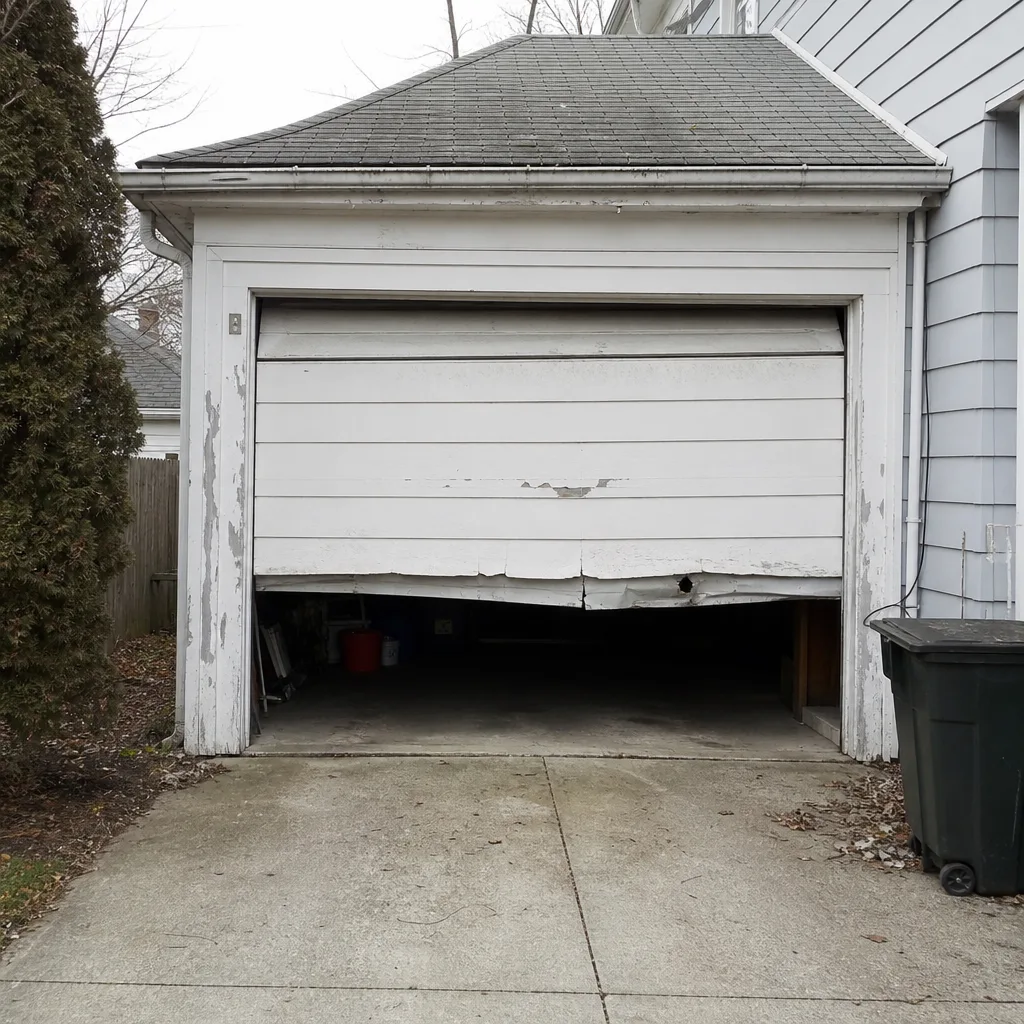 Before
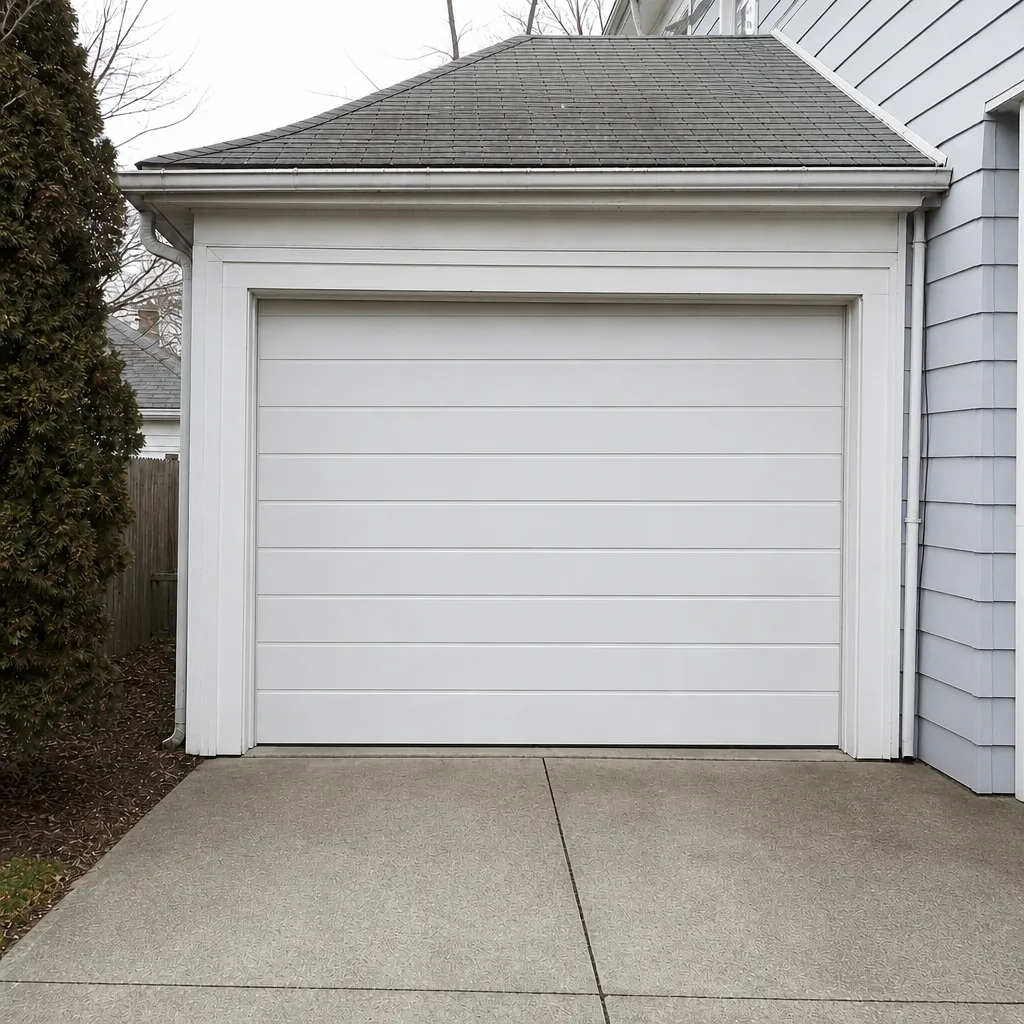 After
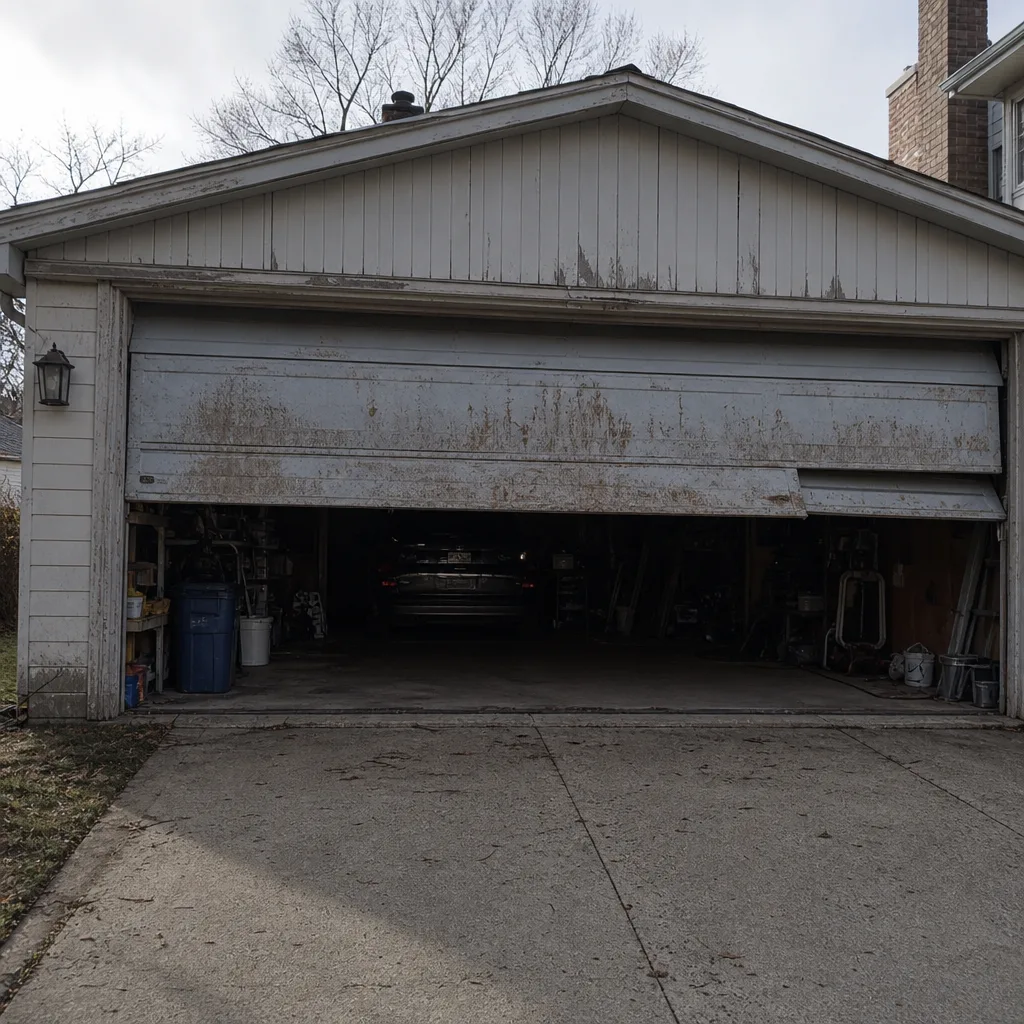 Before
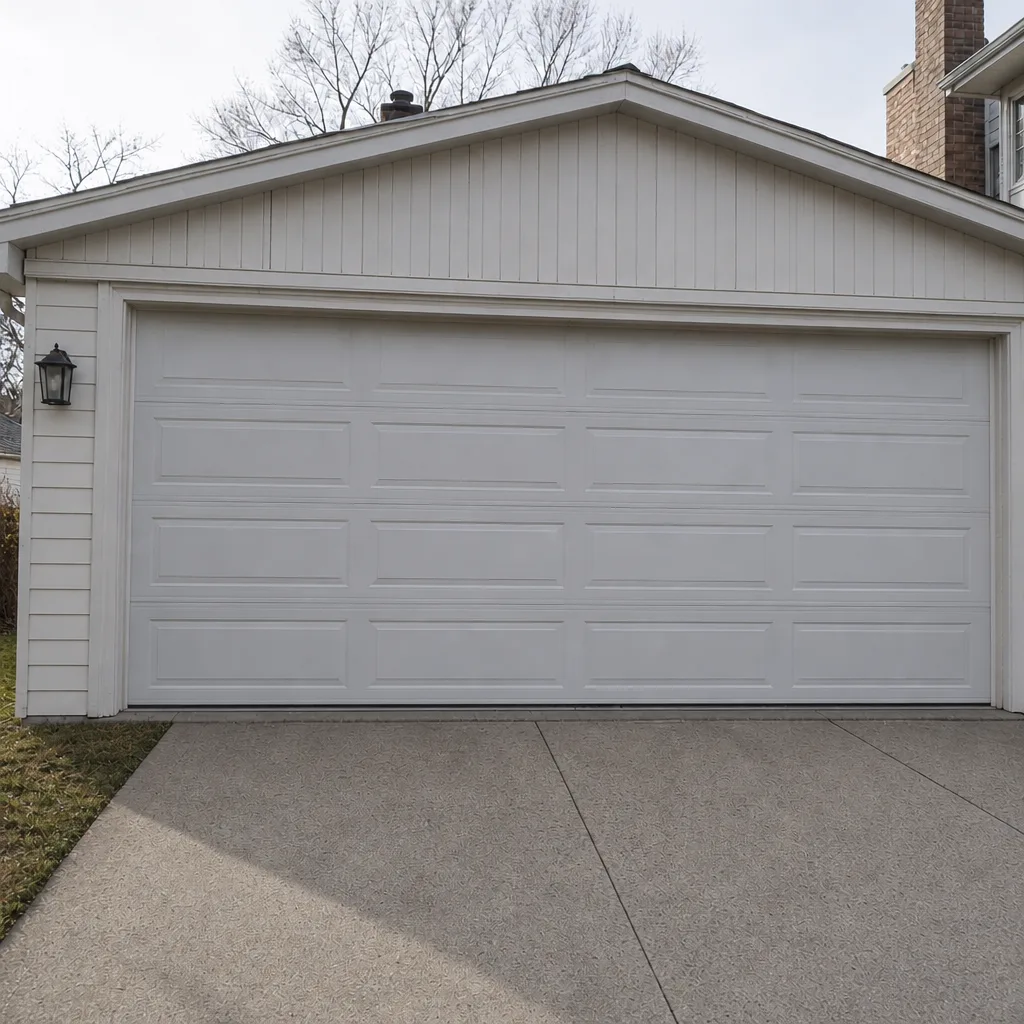 After
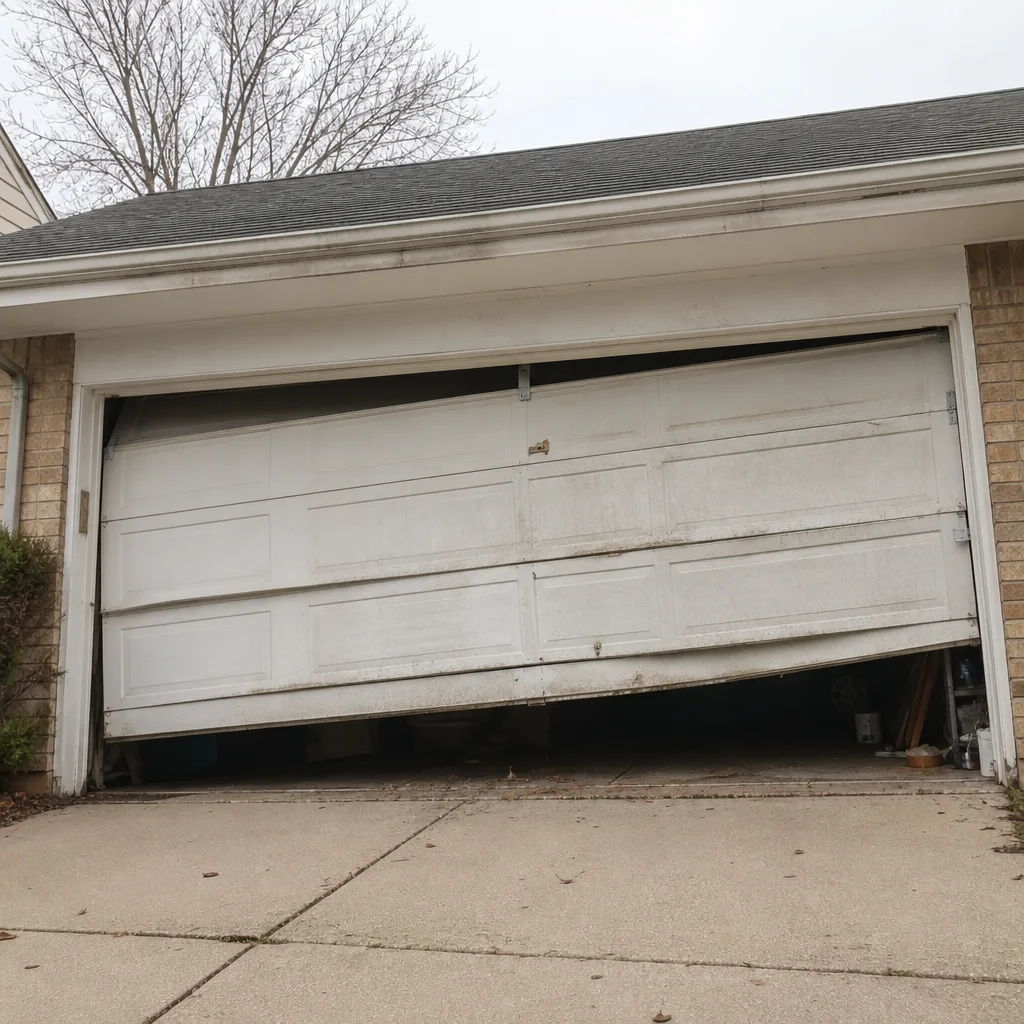 Before
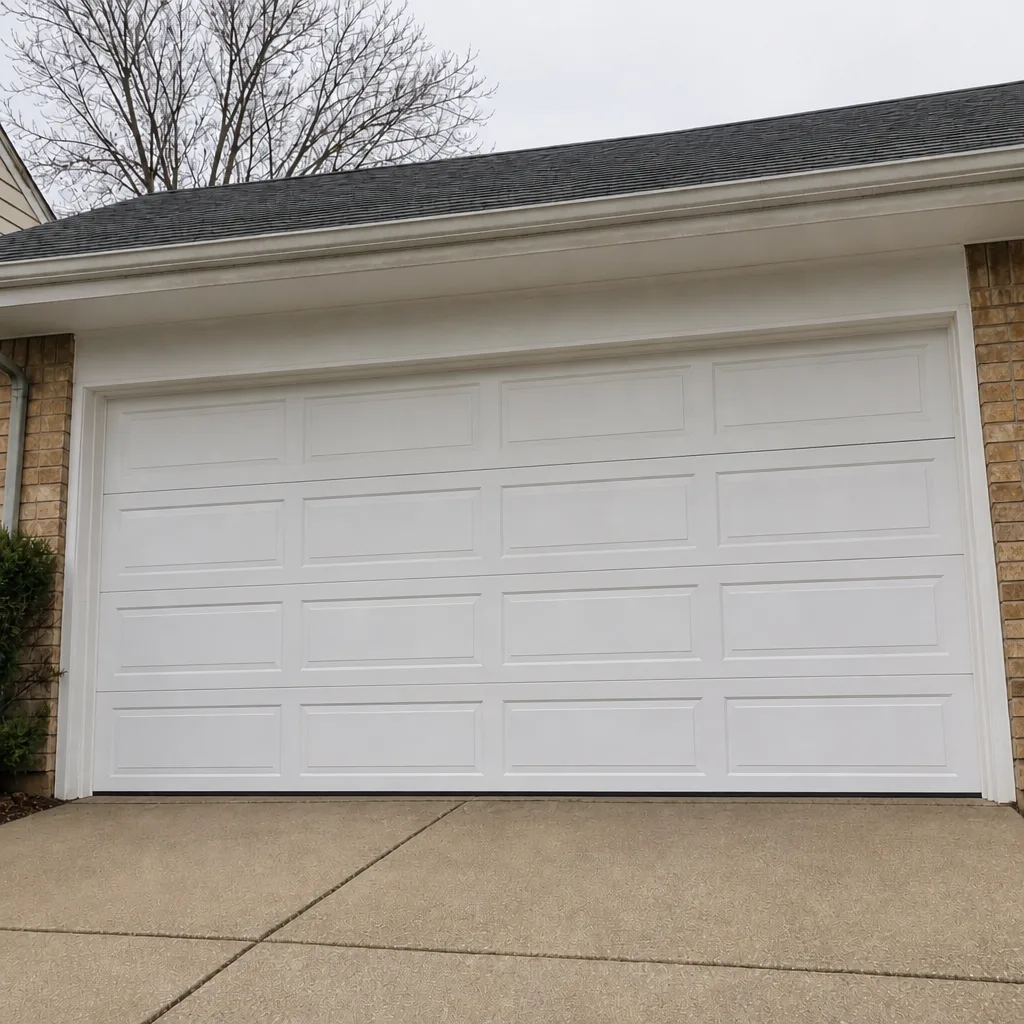 After
Frequently Asked Questions
A single torsion spring replacement in Highland Park typically runs $180-$340, and a matched pair is usually replaced together at roughly twice that. Extension spring replacement is a different job with its own parts and labor, so ask for the specific written estimate. The written estimate sets the final price before any work begins. Call (866) 729-7583 for an exact quote – estimates are free.
Yes, for many repairs. We answer 24/7 and dispatch from 7am to 7pm, Sunday through Friday. Fast dispatch means a technician can often be at your door the same day for spring, track, cable, and opener issues. Same-day availability depends on the day and the job, so call early. Call (866) 729-7583 for a free estimate.
No. The written estimate is the number that stands. We quote and agree the price before a technician starts work. If the diagnosis changes in a way that affects cost, we stop and re-quote rather than proceeding without your approval. Call (866) 729-7583 to schedule an estimate.
Yes. The local pro we connect you with is licensed and insured as their state requires. Our technicians are garage door specialists, not general handymen – they work on garage doors and openers exclusively. Call (866) 729-7583 for a free estimate.
Often, yes. The safety sensor is the most common cause, and cleaning or realigning the lenses usually resolves it. If both sensor indicators read solid and the door still reverses, the opening force setting or the door’s travel limit is a likely alternate cause, and a track bind is a third. A technician can confirm in minutes. Call (866) 729-7583 for a free estimate.
If the motor runs and nothing moves, the mechanical door is more likely the culprit – a broken spring or cable means the opener is spinning without lifting anything. Pull the emergency release (with the door fully down) and try lifting by hand. If it’s heavy or won’t move, a spring or cable issue is the likely cause. Call (866) 729-7583 for a free estimate.
The Bottom Line
Most Highland Park garage door problems come down to one of five categories, and sorting your symptom into the right one is 80% of the diagnosis. A door that won’t move at all points toward springs or cables. A door that moves partly points toward tracks, sensors, or opener limits. A door that reverses before closing is usually a sensor, sometimes a track bind, occasionally a travel-limit setting. Safe homeowner checks are real – sensor cleaning, remote batteries, a visual inspection. Torsion springs, cables, and track reset are not. Get the diagnosis right, know where the safe line sits, and call before you force anything. Garage Door Repair Highland Park Pros works on the brand you already have, and when a door is stuck and a car is trapped, we move fast. Call (866) 729-7583 for a free estimate.
Written by the team at Garage Door Repair Highland Park Pros.