
Last updated November 22, 2026
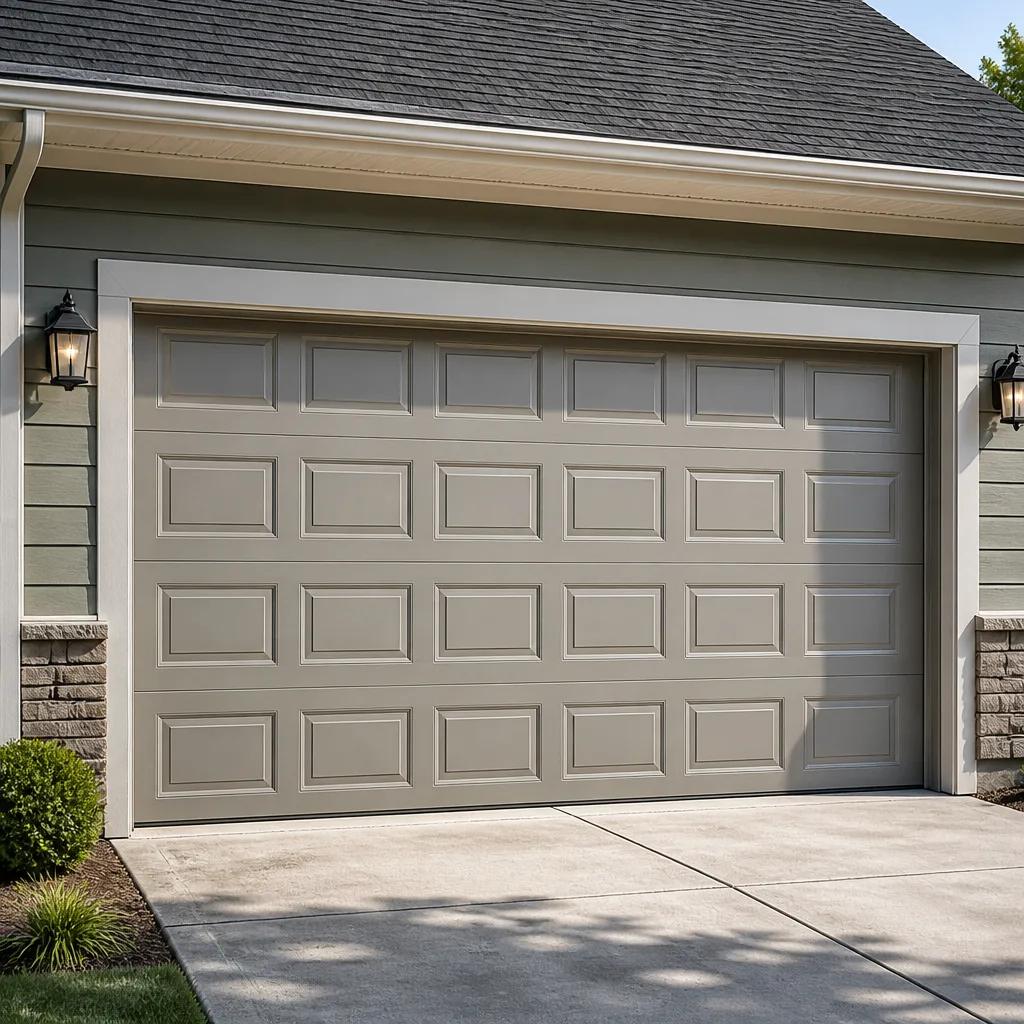 Raised-panel steel
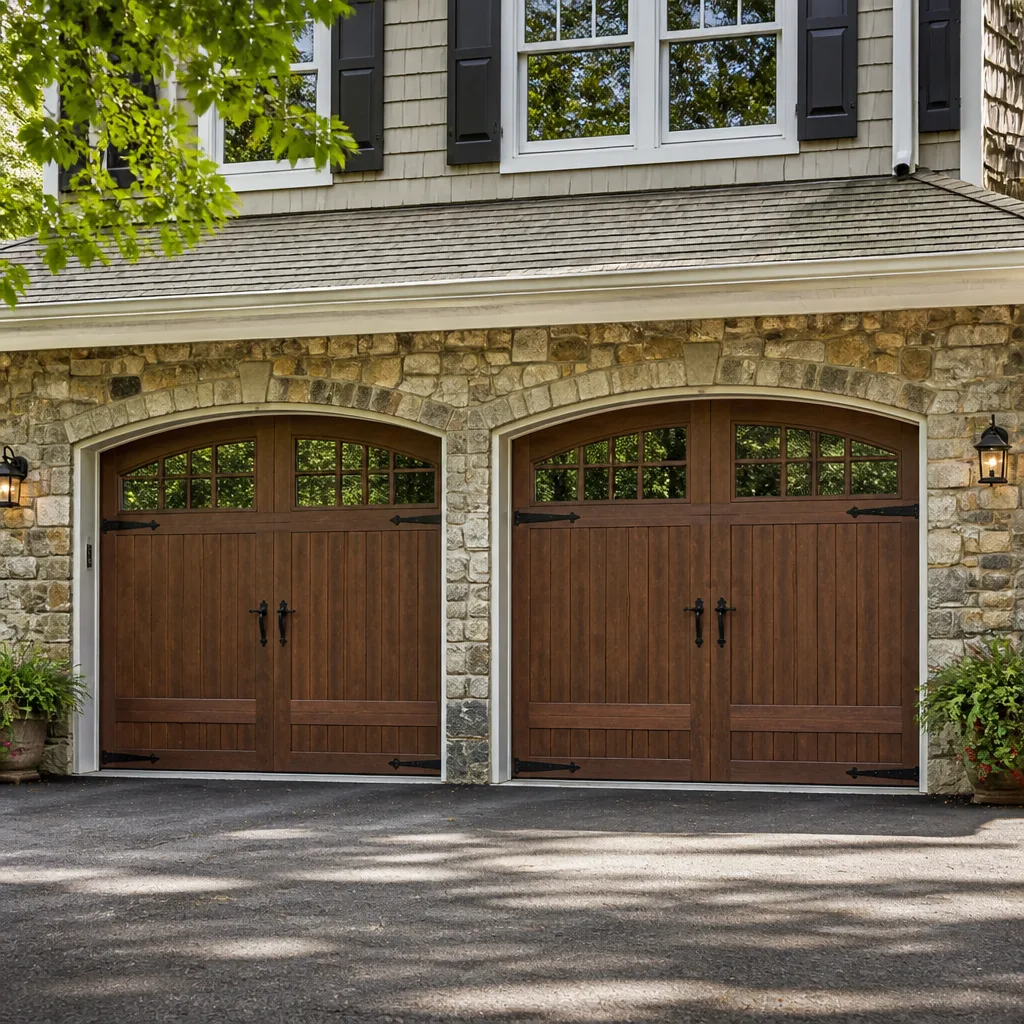 Carriage house
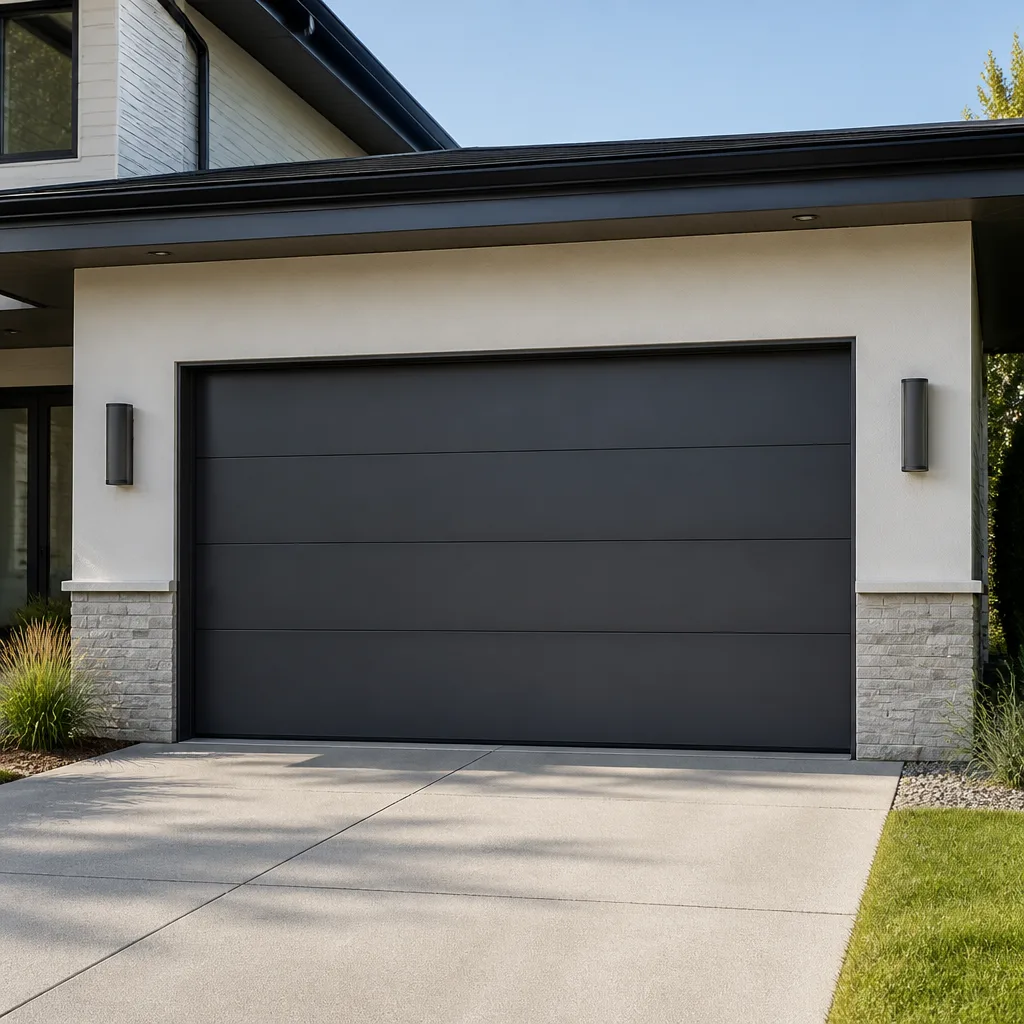 Modern flush
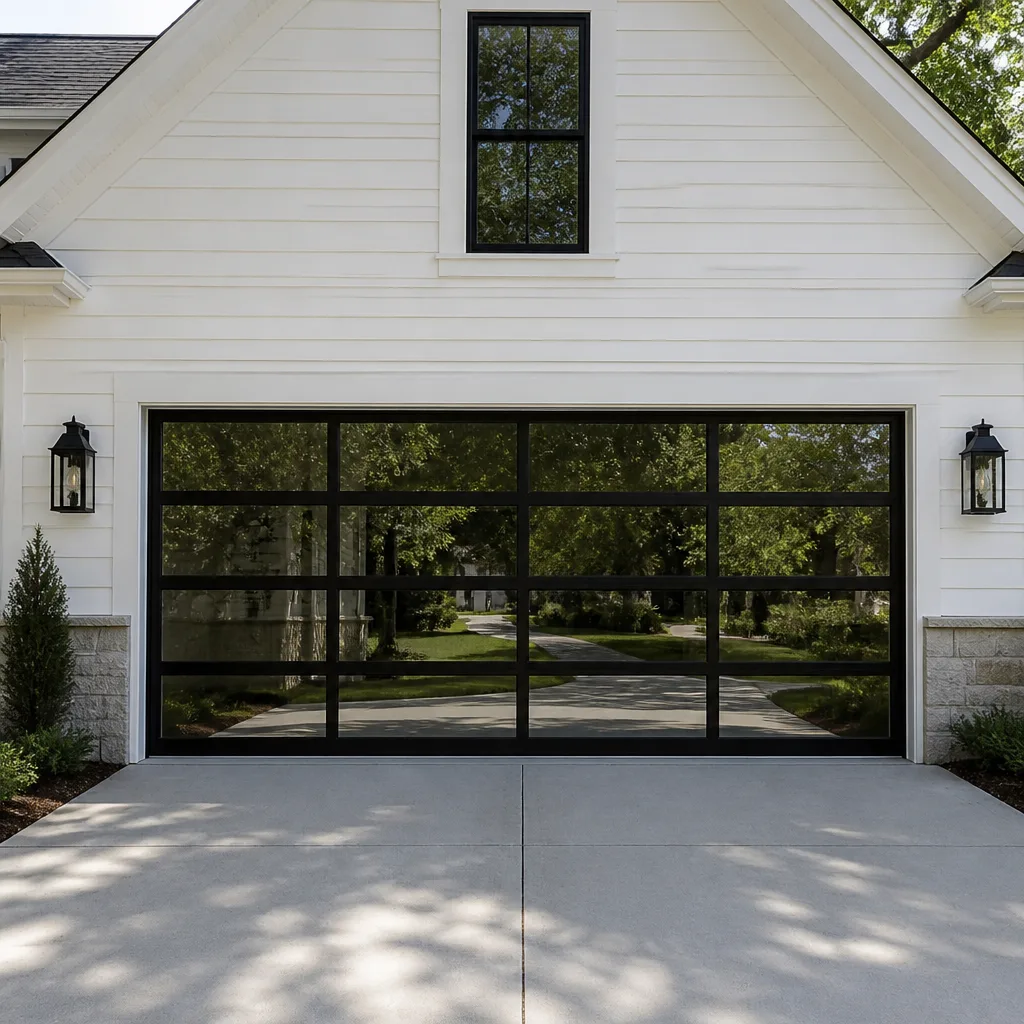 Full-view glass
 LiftMaster openers
 Chamberlain openers
Full 25-point door and opener safety check with every visit - springs, cables, rollers, tracks, and your LiftMaster or Chamberlain opener included
You get a price before we start. It does not change when the pro arrives.
Get your free estimateSeasonal Garage Door Care for Highland Park: Year-Round Homeowner’s Guide
Most homeowners in Highland Park assume January is the month their garage door is most likely to break. It isn’t. The deep freeze is actually the safest stretch of the year for a garage door, because everything stays cold and still. The danger window is late February through mid-March, when the temperature swings above and below freezing day after day and every component that survived winter intact gets worked over by expansion and contraction. We’ve seen this pattern repeat across Highland Park’s older neighborhoods for years, and it changes how we recommend scheduling care. This guide explains which season does the real damage, what to inspect each season, and how to front-load your effort so the door holds up when it matters.
Quick Answer
Seasonal garage door care in Highland Park works best when it’s front-loaded into late winter and early spring rather than spread evenly across four quarters. The freeze-thaw cycles of late February and March stress springs, cables, hinges, and seals far more than peak cold does, so the March inspection is the one that actually protects your door. Summer is for checking wood and composite swelling, fall is for correct lubrication before the first freeze, and post-winter is for catching components that degraded silently without ever failing loudly.
Styles & brands we work with
- Raised-panel steel
- Carriage house
- Modern flush
- Full-view glass
- LiftMaster openers
- Chamberlain openers
Table of Contents
- Why Late Winter Is Highland Park’s Highest-Failure Season
- The March Inspection: What to Check First
- Summer Heat and Wood-Composite Doors in Older Highland Park Homes
- Fall Pre-Freeze Protocol: Which Lubricants, Which Components
- Road Salt and Brine on North Shore Streets: Protecting Seals and Tracks
- The Four Components That Degrade Silently Over Winter
- Opener Care Through the Seasons
- The Highland Park Seasonal Calendar at a Glance
Why Late Winter Is Highland Park’s Highest-Failure Season
Garage door systems are built to handle cold. Steel contracts predictably, torsion springs stay within their working range, and a door that was fine in November usually stays fine through a Highland Park January. The problem is what comes after. When daily highs cross the freezing mark and nighttime lows drop back below it, every metal component expands and contracts several times a week. That cycling is what breaks parts, not the cold itself.
Here’s what the thaw cycle does to a typical door:
- Springs fatigue faster. A torsion spring stores energy by twisting. Repeated thermal cycling changes the tension slightly each day, and a spring already near the end of its service life will fail in March far more often than in January.
- Cables stretch and bind. As steel cables warm and cool, they lengthen and shorten against drums that are also moving. A cable that was tight in December can develop slack by early March.
- Hinges and rollers wear unevenly. Lubricant applied in fall can thin out or gel depending on the product, leaving metal-to-metal contact right when the door is working hardest.
- Bottom seals tear. A rubber seal that froze to the concrete in a January thaw and got pulled free will often split during the next freeze.
This is why we tell Highland Park homeowners to treat March as the real inspection month. The door survived the worst cold; now it has to survive the transition. If you schedule only one professional visit per year, make it the late-winter one. If you’d rather have the door looked at now, our garage door repair team covers exactly this kind of seasonal diagnosis.
The March Inspection: What to Check First
If you do one thing to protect your Highland Park garage door this year, do a structured visual inspection in late February or early March. It takes about fifteen minutes and catches the problems that turn into emergency calls by April. Work through it in this order.
- Springs. Look at the torsion spring above the door or the extension springs along the sides. A healthy spring is a single continuous coil. A gap, a visibly stretched section, or a spring that has come apart means it’s failed. Do not touch it, and do not try to test tension. Springs under load are the most dangerous part of the system, and spring repair is safety-critical work that belongs with a trained technician.
- Cables and drums. Check that cables are seated in the drum grooves and not crossed or frayed. Frayed strands mean the cable is failing.
- Rollers and hinges. Rollers should turn freely. A roller that wobbles or won’t spin is worn. Hinges should be tight with no visible metal shavings.
- Bottom seal. Look for tears, splits, or sections pulled away from the door. A torn seal lets water and cold air in and lets mice through, which matters in older Highland Park homes with attached garages.
- Balance test. Disconnect the opener, lift the door halfway by hand, and let go. A properly balanced door stays put. One that drifts down fast is out of balance and needs adjustment.
- Auto-reverse test. Place a solid object in the door’s path and close it. The door should reverse on contact. This is the safety feature that matters most for families with kids and pets.
If the balance test fails or you find a broken spring, stop there. Our garage door spring repair specialists handle torsion and extension springs as a dedicated service, not as part of a general repair checklist, because the risk profile is different. Call (866) 729-7583. We answer 24/7, with fast dispatch from 7am to 7pm, Sunday through Friday.
Summer Heat and Wood-Composite Doors in Older Highland Park Homes
A large share of Highland Park’s older housing stock still has wood or wood-composite garage doors. These materials behave very differently from steel, and summer is when that shows. Wood absorbs moisture from humid air and swells. When it dries out again, it shrinks. Over a season of that cycling, door panels can bind against the frame, sections can rub, and the door can start to stick in the track even though the opener is fine.
When swelling is normal and when it isn’t
Small seasonal movement is expected and needs no action. The problem starts when a panel rubs enough to leave paint transfer marks on the frame or the door won’t close flush on one side. At that point the cause is usually swelling, not a bad opener, and the temptation is to force it with a bigger opener. Don’t. A stronger opener just pushes a binding door harder and wears out faster.
Plane versus replace
The general rule: if a panel is binding at the edge and the wood behind the paint is sound, planing the edge a small amount to restore clearance is the right fix. If the panel has soft spots, visible rot, or de-lamination along the bottom, planing just buys a season before the door fails. Highland Park’s humid summers speed up rot in doors that already have moisture entry from a bad bottom seal. Fix the seal and the swelling problem usually shrinks with it.
For wood doors, summer care means keeping the finish intact. A sealed door resists moisture. A door with peeling paint or a worn stain absorbs it. If you’re unsure whether your door is at the planing stage or the replacement stage, an inspection is free. We work on the Clopay and Amarr wood and composite products common on Highland Park homes, plus the LiftMaster and Chamberlain openers already hanging in most of them. If the opener itself is the issue, our garage door opener repair team can diagnose it separately from the door.
Fall Pre-Freeze Protocol: Which Lubricants, Which Components
Fall lubrication is the task most homeowners do wrong, and the consequences show up in January. The mistake is using the wrong product. A general-purpose oil or a heavy grease applied in October can thicken below 20°F, turning a smoothly working hinge into a sticky one. The right approach is to match the lubricant to the component and to the temperature.
What to apply, and where
- Hinges and roller stems: a lithium-based or silicone-based garage door lubricant. These stay flowing at low temperatures and don’t attract grit the way grease does.
- Torsion spring (light coat): a purpose-made spring lubricant, applied sparingly. A thin film reduces friction between coils without trapping debris.
- Track: nothing. Tracks should stay dry. Lubricant on a track collects dust and dirt and turns into a paste that makes the door harder to move.
- Weather seal: a silicone spray to keep the rubber supple so it doesn’t freeze to the concrete and tear.
What to avoid
- Heavy grease, wheel bearing grease, or anything labeled for high-temperature use. These get thick when cold.
- WD-40 as a lubricant. It’s a solvent, not a long-term lubricant, and it will strip the existing product off and leave the metal drier than before.
- Cooking spray or household oil. These work for a week and then gum up.
Apply in October, before the first hard freeze, and wipe off any excess. Excess product attracts dirt and does more harm than good. If your door has been noisy through the fall, the noise is telling you something is wearing. Schedule the inspection before the cold sets in rather than after.
Road Salt and Brine on North Shore Streets: Protecting Seals and Tracks
Highland Park sits along the North Shore, and the road treatment used on local streets in winter is a real factor for garage doors. The brine and rock salt tracked in on tires ends up on the garage floor, in the track, and on the bottom seal and bottom panel of the door. Salt accelerates corrosion on steel bottom brackets and hinges, and it degrades the rubber seal faster than any other single factor.
Here’s how to limit the damage:
- Rinse the bottom of the door and the track a few times over winter. A damp cloth on the bottom panel and a quick wipe of the lower track removes salt before it starts pitting the finish.
- Inspect the bottom seal after the last snow. Salt-damaged rubber gets brittle and cracks. A seal that has hardened should be replaced before it starts letting water into a wood door.
- Look at the bottom brackets and hinges for surface rust. Surface rust can be cleaned. Deep pitting is a sign of a component that needs replacing.
- Consider upgraded seal material. A vinyl or rubber seal with a hollow profile that flexes and recovers tends to last longer against salt and ice than a flat foam seal.
Salt damage is one of the most common things we see on Highland Park doors after a hard winter, and it’s mostly preventable with a few minutes of cleaning. If the seal is already gone or a bracket shows real corrosion, replacement is inexpensive compared to the damage from a leaking seal and a rusted bottom section.
The Four Components That Degrade Silently Over Winter
Some failures announce themselves. Others happen quietly and aren’t noticed until the door is already unsafe. These four are the ones homeowners in Highland Park most often miss.
- Cables. A steel cable can fray a few strands at a time and still work. The door doesn’t feel different until the last strands go. Cables should be checked at the start of every spring, and frayed strands replaced, not adjusted.
- Torsion spring tension. A spring can lose tension slowly and the door keeps working, just heavier. The balance test is the only easy way to catch it. If the door needs both hands to lift, the tension has changed.
- Hinge and bracket fasteners. Temperature cycling loosens bolts. A hinge that works its way loose over winter can shift the whole panel alignment. A quick check of every hinge bolt once a year catches this.
- Bottom seal integrity. The seal is the first line of defense against water, cold air, and pests, and it fails quietly. A seal with a split along its length may still look fine from two feet away.
Every one of these can be caught with the March inspection described above. If you find one that needs attention, our garage door repair Highland Park Pros are set up to handle spring and cable work as a dedicated service, with the safety focus that kind of repair requires.
Opener Care Through the Seasons
The opener is a motor, and it reacts to seasonal temperature and load just like the door does. In summer, heat can make a motor run slightly warmer than usual. In winter, cold makes everything stiffer. The opener compensates by working harder, and that’s fine as long as the door itself is free-moving. The trouble starts when the door is binding and the opener is the only thing you notice.
Seasonal opener checks worth doing:
- Listen in March. A new grinding or humming noise from the opener usually means a worn gear, a failing capacitor, or a chain or belt that needs adjustment.
- Test the safety reverse twice a year, in spring and fall. The instructions are in the opener manual, and the test takes a minute.
- Test the wall control and remotes. Battery contacts in remotes fail more often in cold weather, and a dead remote is often mistaken for an opener problem.
- Check the force settings. If the door has started needing a different force setting than it did a season ago, the door is the likely cause, not the opener.
If you’re on a LiftMaster or Chamberlain system, the diagnostic features on most models can tell a technician what the opener is reporting. Genie and Craftsman systems use their own logic, and a specialist familiar with those brands will know how to read them. We work on the brand you already have, so a seasonal opener check doesn’t mean buying a new one unless the diagnosis calls for it.
The Highland Park Seasonal Calendar at a Glance
The point of this guide is that the work isn’t spread evenly. Here’s what the calendar actually looks like when the work is front-loaded correctly.
- Late February through March (highest priority): full inspection of springs, cables, rollers, hinges, balance, and safety reverse. This is the season that does the most damage and gets the most attention.
- April through May: spring cleaning tasks. Rinse salt from the track and bottom of the door, check the seal, replace any hardened seal material, and touch up paint on bottom panels or brackets.
- June through August: summer is for watching wood and composite doors. Watch for sticking, rubbing, or swelling and address it before it becomes a binding door. Keep the finish intact to limit moisture absorption.
- September through October: the lubrication pass. Apply the right product to hinges, roller stems, the torsion spring, and the weather seal. Avoid heavy greases and general-purpose oils. Wipe off excess.
- November through January: the low-effort stretch. Keep the door free of snow and ice, clear ice from the bottom seal area, and keep the track dry. This is the season when little goes wrong if the fall work was done.
If you only manage one professional inspection per year, put it in the March slot. If you can do two, add the fall lubrication pass. Those two visits cover most of the real risk. The rest is upkeep a homeowner can handle.
Common Mistakes to Avoid
- Doing the big inspection in January. January is the calmest month for a garage door. The failure risk is in the late-winter thaw, and that’s when the inspection should happen. Waiting until the door breaks in March means an emergency call instead of a scheduled fix.
- Lubricating the track. A lubricated track collects dirt, and the paste that forms makes the door harder to move. Tracks should stay dry. Lubricate the hinges, roller stems, spring, and seal instead.
- Using the wrong lubricant for winter. Heavy grease or general-purpose oil thickens below 20°F and makes the door bind. Use a lithium-based or silicone-based product meant for garage door components.
- Forcing a binding wood door with a bigger opener. A stronger opener doesn’t fix a door that has swelled past its clearance. It wears out the opener faster and doesn’t solve the actual problem. Plane the edge or replace the panel instead.
- Ignoring the bottom seal. A failed seal lets salt water into the bottom panel and cold air into the garage, and it’s the most common cause of rot on wood doors in Highland Park. It’s also the cheapest component to replace.
- Testing spring tension by hand. Springs under load are dangerous. A failed or weakened spring should be inspected visually and then left to a technician. Never try to adjust tension yourself.
- Skipping the balance and safety reverse tests. These two tests catch most of the problems that make a door unsafe. They take five minutes combined and should be done at least twice a year.
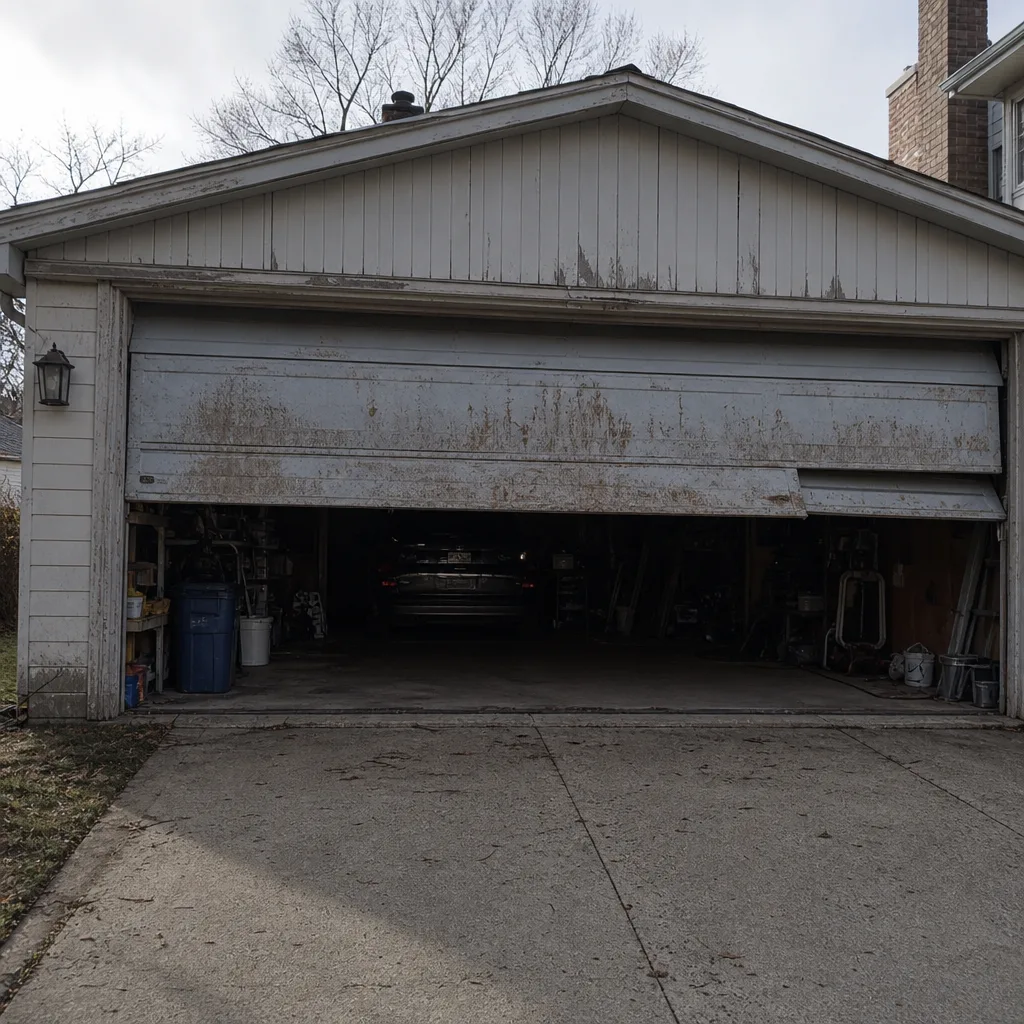
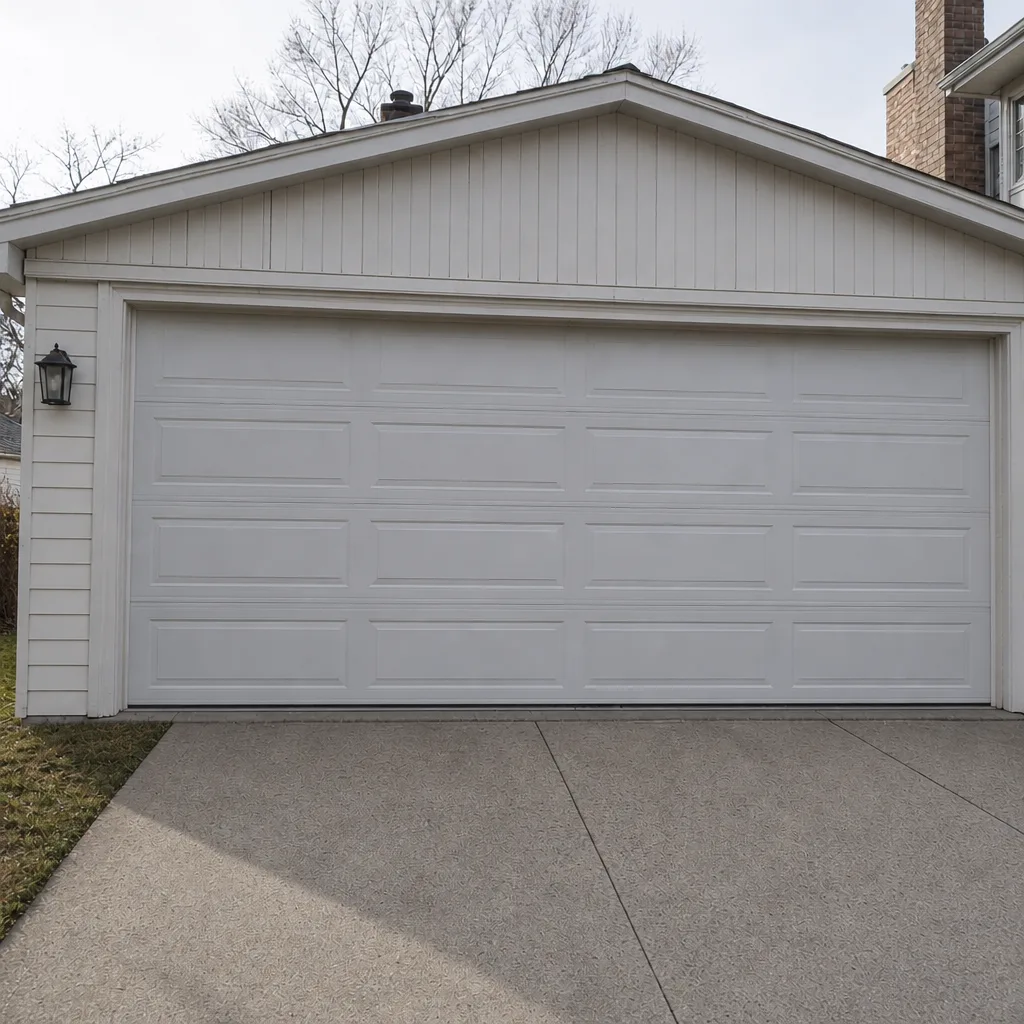
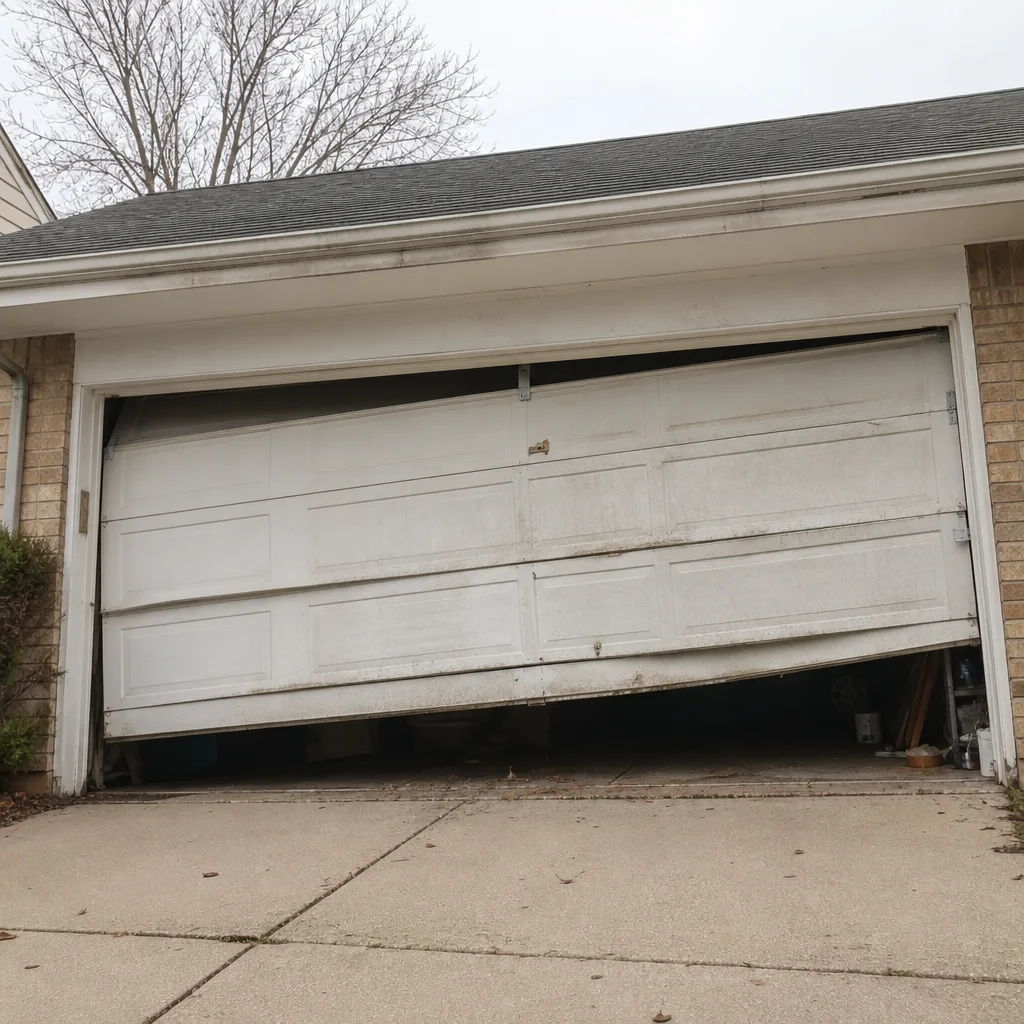
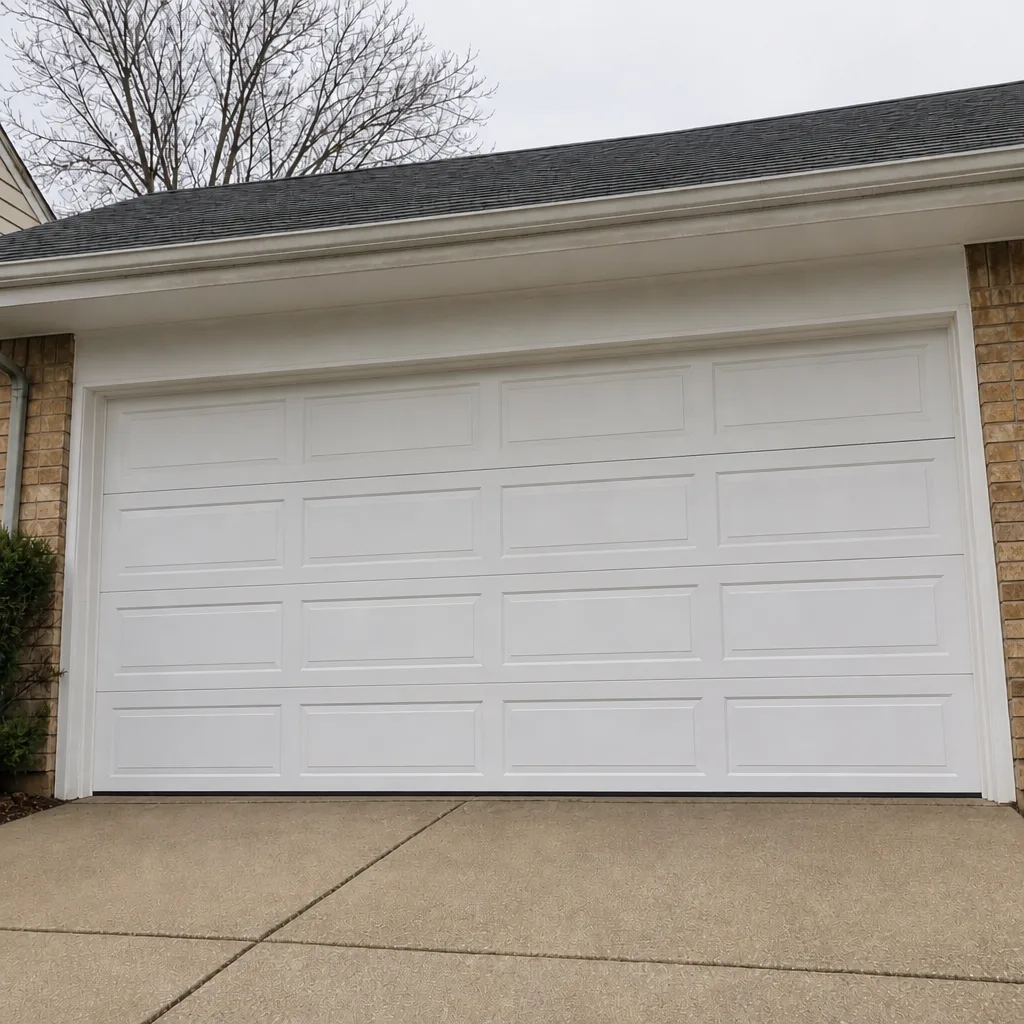
See the difference
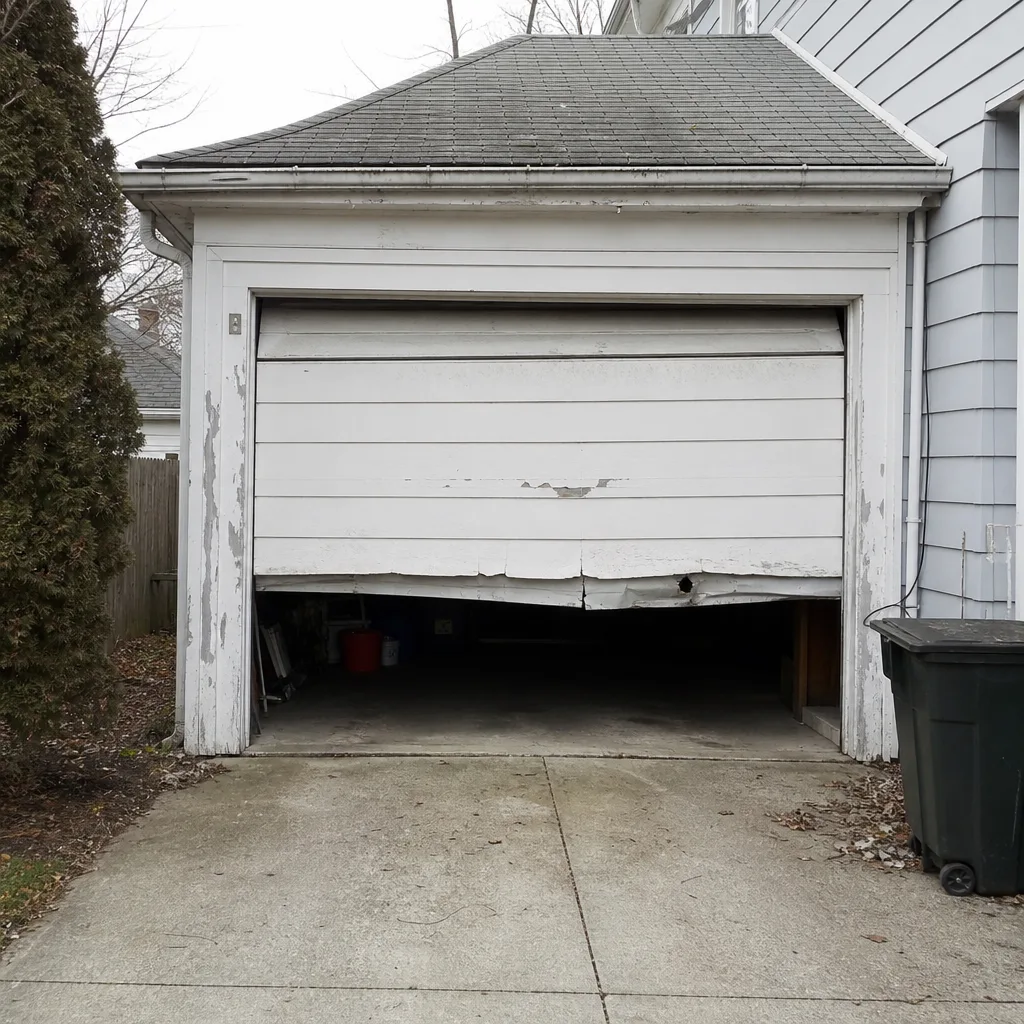 Before
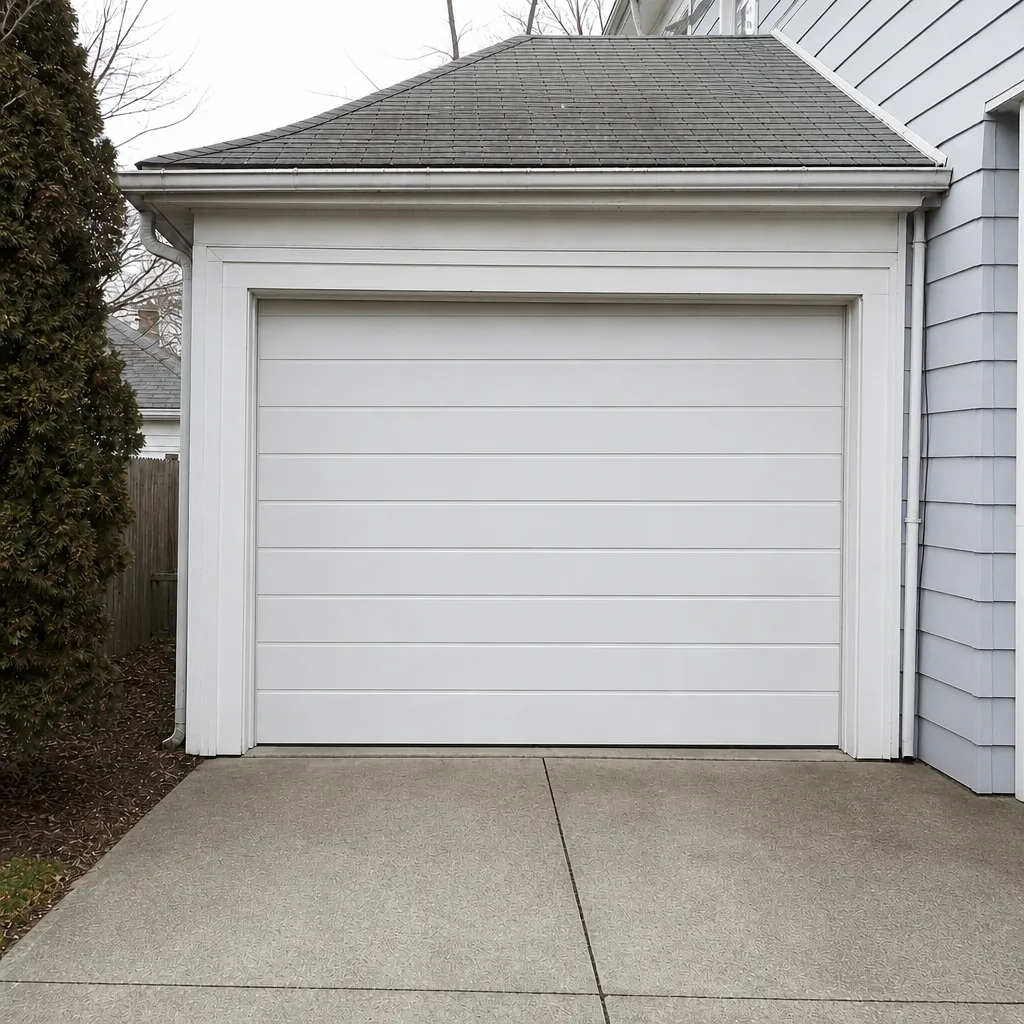 After
 Before
 After
 Before
 After
When to Call a Professional
Some seasonal checks are homeowner territory and some aren’t. If a spring has broken or is visibly stretched out of shape, if a cable is frayed or off its drum, or if the door is off track, call. Springs and cables are held under high tension and a mistake can cause serious injury. If the door won’t balance, if the auto-reverse feature fails to test correctly, or if the opener is making a noise it didn’t make last season, call. Garage Door Repair Highland Park Pros offers free estimates in Highland Park. Call (866) 729-7583. Our technicians have up to 13 years of experience with the eight leading garage door and opener brands, and we handle spring repair as a dedicated, safety-aware service. We answer 24/7, with fast dispatch from 7am to 7pm, Sunday through Friday. The written estimate sets the price, and nothing gets done until you agree to it.
Frequently Asked Questions
Late February through mid-March, not January. Repeated freeze-thaw cycles in that window expand and contract springs, cables, and hinges several times a week, which is far harder on the system than a stretch of steady cold. Schedule the annual inspection in that window rather than waiting for the door to fail.
Once a year, in October before the first hard freeze, is enough for most doors. Apply a lithium-based or silicone-based garage door lubricant to the hinges, roller stems, and a light coat to the torsion spring, and leave the track dry. Avoid heavy greases and general-purpose oils, which thicken in cold weather and make the door bind.
Call a professional. Springs on both torsion and extension systems are held under high tension, and a broken or weakened spring can release stored energy unpredictably. Don’t try to adjust or replace one yourself. Our spring repair is a dedicated service, and we inspect the whole system, including cables and drums, when a spring is replaced. Call (866) 729-7583 for a free estimate.
They need more seasonal attention, yes. Wood and composite doors absorb moisture in summer and swell, which can cause binding at the edges, and they need the finish kept intact to limit absorption. Steel doors don’t swell, but they’re more affected by road salt tracked into the garage. Each material has its own maintenance schedule, and both benefit from the March inspection.
It does, and the damage is concentrated at the bottom of the door. Salt and brine tracked in on tires corrode bottom brackets and hinges and harden the bottom seal faster than anything else. Wipe down the bottom panel and lower track a few times over winter, and inspect the seal after the last snow. Replacing a hardened seal is far cheaper than repairing a rusted bottom panel.
It depends on why it’s sticking. A door that binds because of a worn roller, an out-of-balance spring, or a dry hinge will usually come back to normal with a tune-up. A wood door that has swelled past its clearance needs planing or replacement, and no amount of lubrication will fix it. An inspection tells you which one you’re dealing with before you spend money. Call (866) 729-7583 and we’ll look at it.
The Bottom Line
Highland Park’s four-season climate doesn’t call for four equal rounds of garage door maintenance. It calls for front-loading. The late-winter thaw does more damage than the deep freeze, so the March inspection earns its keep. Summer is for watching wood and composite doors for swelling, fall is for the correct lubricant applied to the right components, and post-winter is for catching cables, spring tension, hinge bolts, and the bottom seal before they fail quietly. Get those four habits in place and the door will hold up. When the work calls for a specialist, call (866) 729-7583 for a free estimate.
Written by the team at Garage Door Repair Highland Park Pros.